REVIEW · BULGAN PROVINCE
Camel Trails and Bird Tales: Discovering Elsen Tasarkhai
Book on GetYourGuide →Operated by Central Mongolia tour · Bookable on GetYourGuide
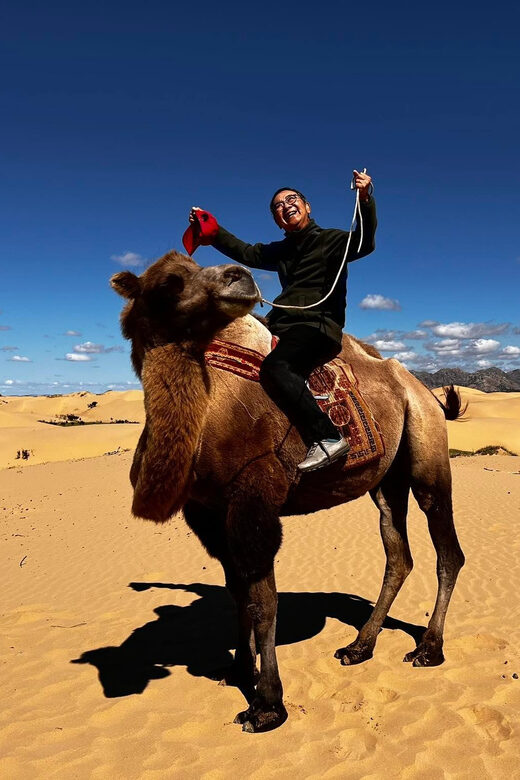
Camels in desert sand. Yes, please. This Elsen Tasarkhai day trip gives you camel riding in the dunes and a quiet stop by a lake for bird spotting without needing a multi-day desert expedition. I also like that you’re out in the arid Semi Gobi (a Mini Gobi) where the scenery does most of the talking. One thing to keep in mind: it’s a long 4–5 hour drive each way, and the day runs on car time as much as sand time.
Timing is pretty clear-cut: you leave Ulaanbaatar around 08:00, reach Elsen Tasarkhai after a scenic steppe drive, and you’re back in the city around 19:00. The tradeoff for this convenience is that the “experience” is concentrated—camel time and stops matter, and you’ll want to be mentally ready for the road.
In This Review
- Key Things I’d Mark on Your Mental Map
- Semi Gobi, Not Great Gobi: Why Elsen Tasarkhai Works
- The 8:00 AM Departure and the Long Car Hours
- What helps
- Camel Riding on Elsen Tasarkhai’s Sand Dunes
- Dune Hiking and Photo Time: Making the Free Hours Count
- A heads-up for comfort
- The Lake Stop and Bird Watching Break
- Mini Gobi by Car: The Road Logistics You Should Plan For
- Language note (important)
- Price and Value: Is $130 Worth This One-Day Desert Mix?
- The Best Fit: Who Will Enjoy This Tour Most?
- Service and Driver Support: What to Watch For
- Should You Book Camel Trails and Bird Tales?
- FAQ
- How far is Elsen Tasarkhai from Ulaanbaatar?
- What’s included in the $130 per person price?
- Do I need to bring bottled water?
- Is there an English-speaking guide?
- How long is the camel riding portion?
- What time do you start and finish?
- What about bird watching—do we just stop briefly?
Key Things I’d Mark on Your Mental Map
- The Semi Gobi feel when you can’t do the Great Gobi: same desert mood, less distance.
- Camel time in real dunes: rolling sand instead of a token photo stop.
- A lake stop built for watching birds: the day isn’t all sand and sun.
- Free time on-site for dune hiking and photos: you can move at your own pace.
- Driver language can make or break the comfort level: English might not be guaranteed during busy season.
- Long day structure: many hours “away,” then back to Ulaanbaatar by evening.
Semi Gobi, Not Great Gobi: Why Elsen Tasarkhai Works
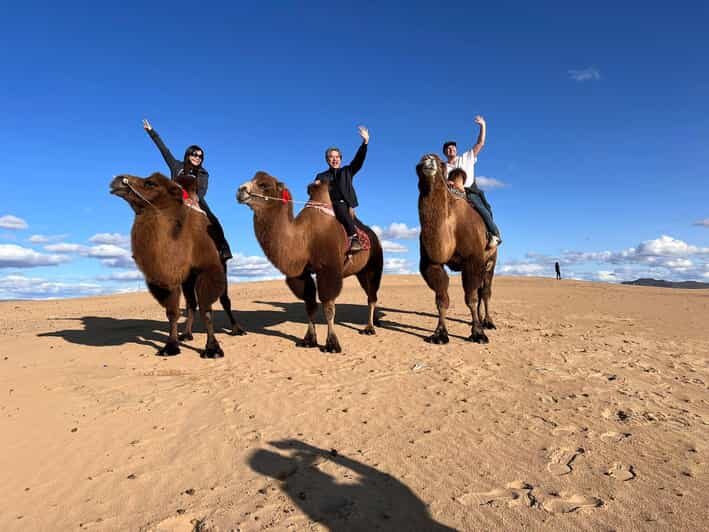
If you’re short on days, Elsen Tasarkhai is the kind of desert outing that makes sense. The Semi Gobi is often called the Mini Gobi—same broad vibe (arid dunes, rugged steppe surroundings), but with a manageable one-day format from Ulaanbaatar.
I like this setup because it doesn’t ask you to rebuild your whole trip around the desert. You still get that dry, wide-open feeling: sand dunes in one direction, rocky/mountain hints in another, and a sky that makes everything feel bigger than it looks from the road.
The 8:00 AM Departure and the Long Car Hours
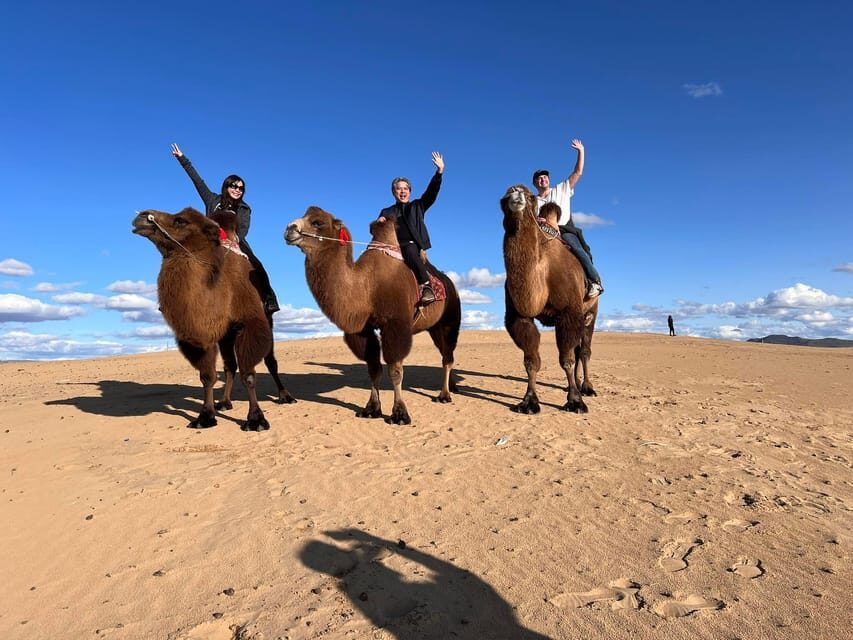
You start early—around 08:00—with pickup in Ulaanbaatar. Then the drive to Elsen Tasarkhai takes roughly 4–5 hours. Once you’re on the road, much of the day is simply watching Mongolia pass by: steppe views, changing terrain, and long stretches where the horizon is the main attraction.
Here’s the practical drawback: it can feel like the car dominates the schedule. One visitor described the drive as heavy on car time and sitting still, especially after leaving Ulaanbaatar traffic behind and then repeating that routine on the way back. If you’re the type who gets restless easily in a vehicle, plan for it.
What helps
- Bring layers. Desert areas can feel surprisingly different from the city.
- Eat well before pickup if you can. Lunch comes later.
- If your driver is Mongolian-speaking only, agree on simple words/points ahead of time so the day doesn’t feel confusing.
Camel Riding on Elsen Tasarkhai’s Sand Dunes
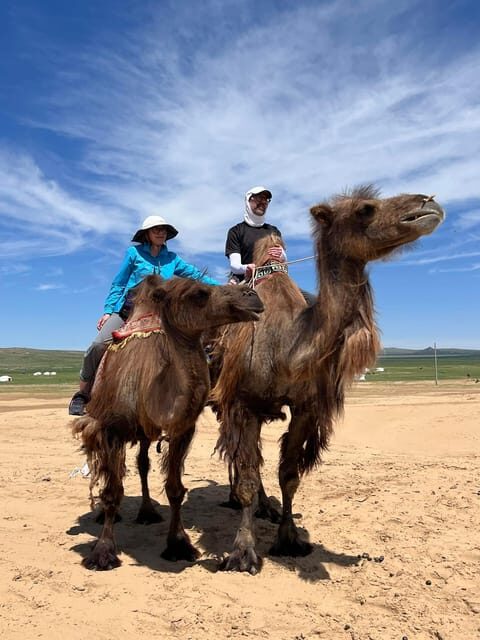
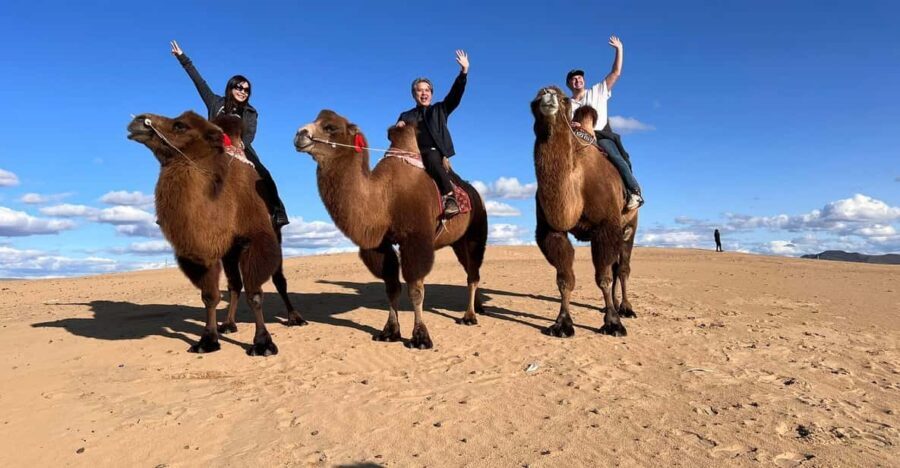
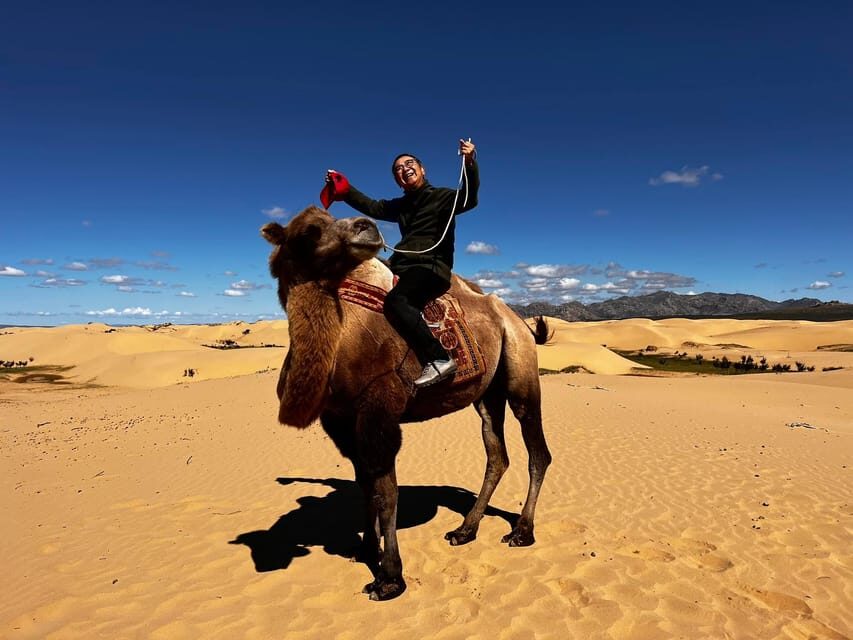
The main event is the camel ride through the dunes. This is what most people come for, and it’s also what keeps the day from feeling like just a road trip.
From what’s described, the camel segment can vary. One rider reported about 10 minutes of camel riding, while another mentioned a much longer ride (around 45 minutes) into the steppe and dunes. That difference matters because it changes how much of the desert you actually feel on your body, not just through the window.
Even with a shorter ride, you get the key benefit: camels moving across sand. The footing and the sway are part of the experience. And yes, you’ll likely take a lot of photos here—because the dunes create natural framing. The trick is to avoid treating it like a quick click-and-go. Sit up, look around, and let the desert do its thing.
Dune Hiking and Photo Time: Making the Free Hours Count
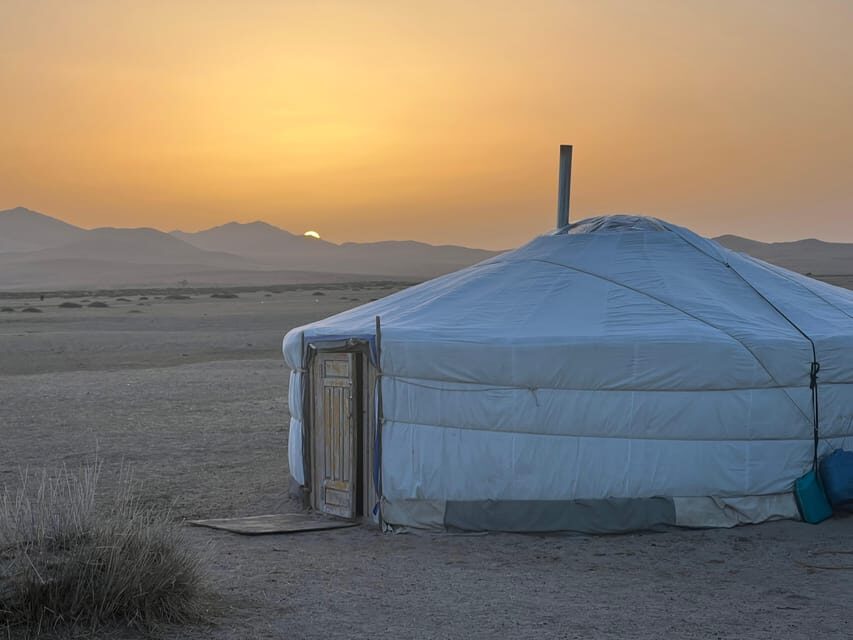
After lunch and camel riding, you head toward a nearby lake, but the best part of the schedule (for many people) is what comes next: free time around the area.
During this open window, you can:
- hike in the dunes
- take photographs
- simply relax and enjoy the quiet
I like this because it gives you control. If you want a calmer day, you can stay near the observation spots. If you want effort, you can climb a dune for a better viewpoint. And if you’re traveling with a camera, this is the window where you can chase angles without worrying the driver has somewhere else to be.
A heads-up for comfort
Dunes can mean sandy shoes and dust. If you have a choice, wear footwear that can handle grit. Also, bring something for sun cover if you’re out moving for even a short time.
The Lake Stop and Bird Watching Break
The day includes a visit to a nearby lake where you can observe various bird species. This is a real breathing moment. It breaks up the desert monotone and gives you something different to focus on besides sand.
What makes this stop valuable is that it adds variety to the “one day” format. It’s not just scenery for you to look at; it’s a setting where you can watch and slow down. If you’re into nature, you’ll appreciate that the schedule includes an intentional bird element rather than treating it as a bonus you might miss.
If you’re not a bird person, you can still treat it as a reset: shade (depending on conditions), calmer movement, and a chance to regroup before the long return drive.
Mini Gobi by Car: The Road Logistics You Should Plan For
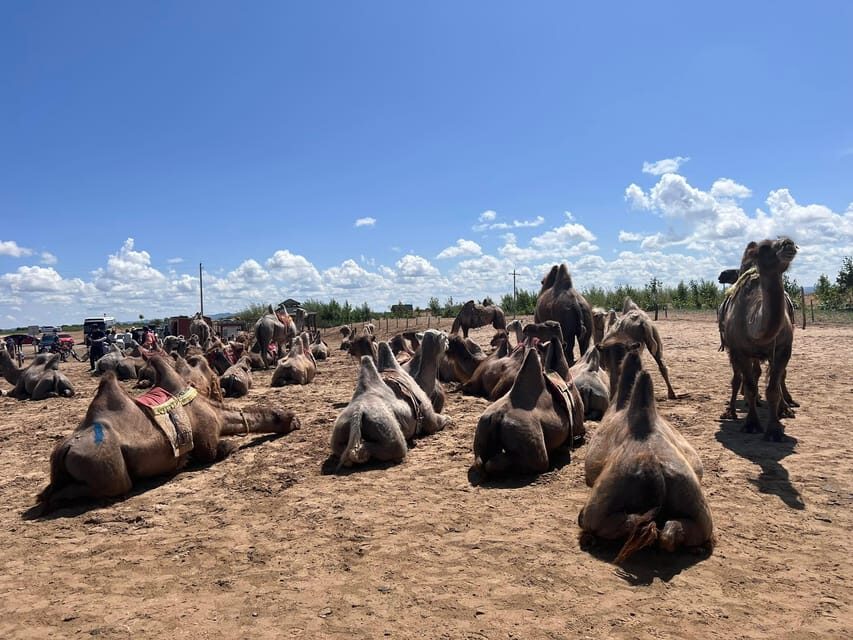
Let’s talk reality. This is a full-day excursion built around road travel. You’ll depart Ulaanbaatar at 08:00, spend big chunks of time in the car, and arrive back around 19:00.
That’s not automatically bad. Many day trips from Ulaanbaatar do this. The value here is that the drive is used to reach a destination that feels far from the city routine: dunes, desert movement, and a lake stop for birds.
But you should choose this tour for the right reason:
- If you want camel riding and desert dunes in a tight schedule, it fits.
- If you want lots of time at the destination and minimal driving, you might feel shortchanged.
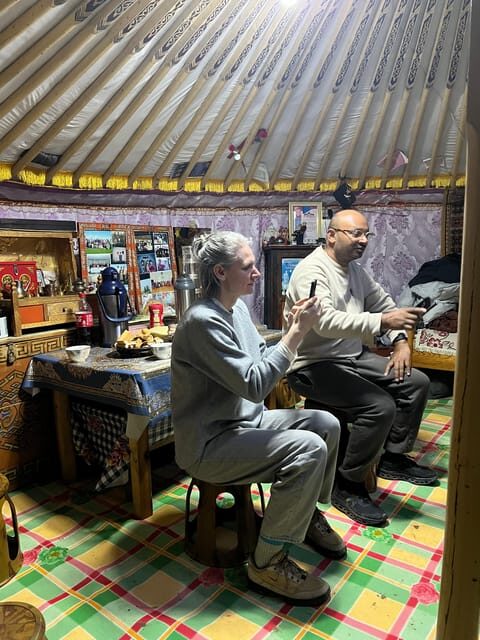
One visitor’s comment nailed the feeling: camel time and a quick cultural stop (they described a nomadic family yurt visit) were brief, while the rest was largely driving between points. That doesn’t make the day bad—it just means you should know what kind of “day trip” this is: a sampler, not a slow-burn desert immersion.
Language note (important)
There is no English-speaking guide on board in some cases. During tourist season, you may get an English or Mongolian-speaking driver, but you shouldn’t assume full translation support. The smart move: communicate your itinerary clearly to the driver so there’s no uncertainty about timing and stops.
Price and Value: Is $130 Worth This One-Day Desert Mix?
At $130 per person, this tour sits in the “budget-friendly for a day trip” zone. You get:
- hotel pickup and drop-off
- transport by car
- camel riding
- lunch
- lake visit and bird observation
What you don’t get:
- bottled water
- travel insurance
So is it value? For the right traveler, yes. You’re paying for a pre-arranged route, vehicle, and key activities in a remote area that would be hard to DIY without more planning. Lunch being included also helps—because you won’t want to improvise food during a long desert schedule.
If you’re expecting luxury comfort or frequent stops, the low-ish price is really paying you back in other ways: the long road time, and the fact that language support may be limited. Think of it as paying for access to the destination, not for a guide-driven, commentary-heavy day.
The Best Fit: Who Will Enjoy This Tour Most?
This day trip is ideal if you:
- want desert scenery without committing multiple days
- are excited by camel riding and dunes
- like nature breaks such as bird watching
- prefer a structured one-day plan over DIY logistics
It’s less ideal if:
- you hate long car rides and want minimal driving
- you strongly depend on an English-speaking guide for every moment
- you want lots of extended time in each place rather than a quick sampler itinerary
Also, timing matters. One rider mentioned issues around Lunar New Year (they couldn’t do everything listed) and recommended avoiding that period for a smoother schedule. If you’re traveling during big holidays, go in with flexibility.
Service and Driver Support: What to Watch For
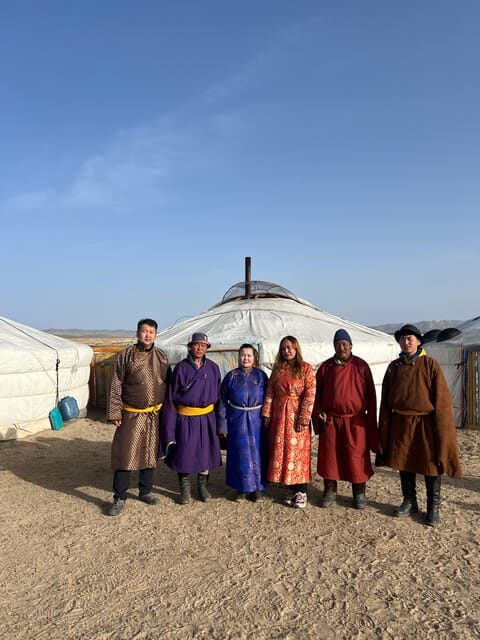
Service quality seems to hinge on who you get in the driver seat. Multiple comments praised excellent organization and driving skills. One highlighted guide/driver named Angarag, with strong positive remarks and a willingness to help make the day work.
Here’s my advice: treat driver communication as part of your preparation. If your driver doesn’t speak English well, use simple checkpoints:
- confirm departure time
- confirm lunch timing around 13:00
- review the order: dunes/camels → lunch → lake/birds → hike/photo time → return to Ulaanbaatar
If your driver does speak English, this tour becomes even better because you can ask about what you’re seeing and get context while you’re out in the Semi Gobi.
Should You Book Camel Trails and Bird Tales?
Book it if you want a practical, one-day taste of the Semi Gobi—camel riding in real dunes, a lake bird stop, and enough free time to stretch your legs without planning a full desert itinerary.
Skip it (or choose another format) if your main goal is lots of time on-site and you don’t want a long road day. Also be ready for language limitations if your driver isn’t English-speaking; you can still have a good day, but you’ll need to communicate clearly.
If you match those preferences, this tour is a solid way to see Elsen Tasarkhai without turning your trip into a logistics puzzle.
FAQ
How far is Elsen Tasarkhai from Ulaanbaatar?
It’s about 4–5 hours away by car each direction, so the day includes significant driving time.
What’s included in the $130 per person price?
Hotel pickup and drop-off, car transport, camel riding, lunch, and a visit to the lake for bird observation.
Do I need to bring bottled water?
Bottled water isn’t included, so you should plan to bring some or buy it separately if available.
Is there an English-speaking guide?
The tour doesn’t guarantee an English-speaking guide. A Mongolian or English-speaking driver may pick you up depending on the season.
How long is the camel riding portion?
Camel riding time can vary. One description mentions around 10 minutes, while another rider described about 45 minutes into the steppe and dunes.
What time do you start and finish?
Departure is around 08:00 from Ulaanbaatar, and you return to the city around 19:00.
What about bird watching—do we just stop briefly?
You’ll visit a lake area specifically for bird observation, plus you’ll have free time afterward for hiking and photos.