REVIEW · KHARKHORIN
Terelj ,Khar khorum ,Horse ride , Camel ride , Monastery
Book on GetYourGuide →Operated by Danista Nomads Tour · Bookable on GetYourGuide
Three days, two ancient worlds. You’ll start with Terelj National Park rock formations and nomad life, then head to Khar Khorin for Karakorum-era sites and monastery time. It’s a short itinerary, but the mix of nature, movement, and history keeps it from feeling like a checklist.
I especially like two things: the day-to-day rhythm of horse trekking plus gentle hikes in Terelj, and the way the trip tells a clear story from natural Mongolian spirituality to Karakorum’s Mongol Empire roots. The guidance is also practical, not just lectures, so you spend more time looking around and less time figuring things out.
The one caution: you’re on the move a lot, including long drives in a remote region. If you crave slow mornings and lots of free time, this schedule may feel packed.
In This Review
- Key highlights worth planning for
- Three Days, Two Ancient Worlds: The Terelj to Kharkhorin Flow
- Day 1 Terelj National Park: Ovoo, Turtle Rock, Horse Trekking, and Zaisan
- Where the Ger Nights Really Matter: Meals, Warmth, and Local-Style Sleep
- Day 2 to Kharkhorin: Elsen Tasarkhai Sand Dune and a Full Camel Moment
- Day 3 Erdene Zuu Monastery and the Khar Khorum Museum
- Transportation, Group Size, and English Guidance That Keep the Trip Smooth
- Price and Value: Is $600 Fair for This Much Remote Travel?
- Who This Tour Suits Best (and Who Should Rethink It)
- Should You Book This Terelj and Kharkhorin Experience?
- FAQ
- What time is pickup for this tour?
- How long is the tour, and how many days does it cover?
- What languages are available for the live tour guide?
- Are horse ride and camel ride included?
- What does accommodation include during the trip?
- Are meals and entrance fees included?
Key highlights worth planning for
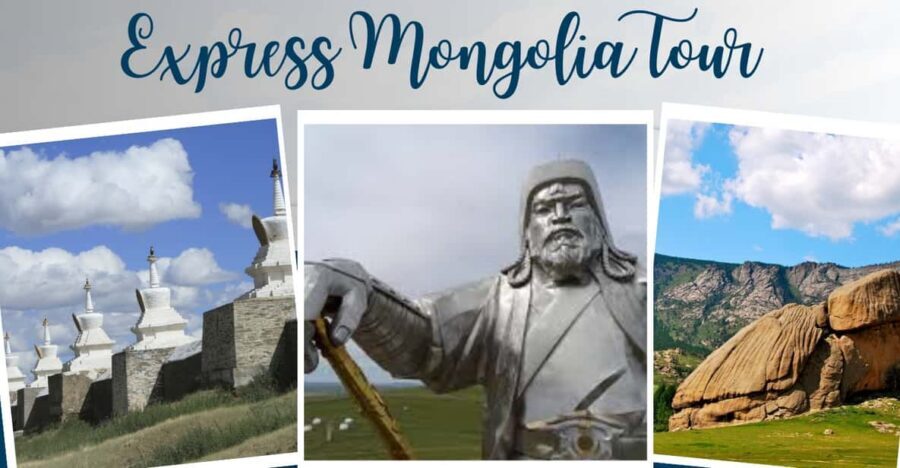
- Terelj National Park and Turtle Rock: granite cliffs, open meadows, and big-photo viewpoints
- Ovoo and the nature-spirit tradition: stone piles tied to Mongolian beliefs
- Horse trekking plus a real camel ride: included activities, not just window shopping
- Sand dune crossing at Elsen Tasarkhai: a quick change of scenery on the way to Kharkhorin
- Erdene Zuu Monastery and museum time: spiritual site plus museum context in one day
- Ger stays with meal support: overnight in a local-style setup with included food
Three Days, Two Ancient Worlds: The Terelj to Kharkhorin Flow
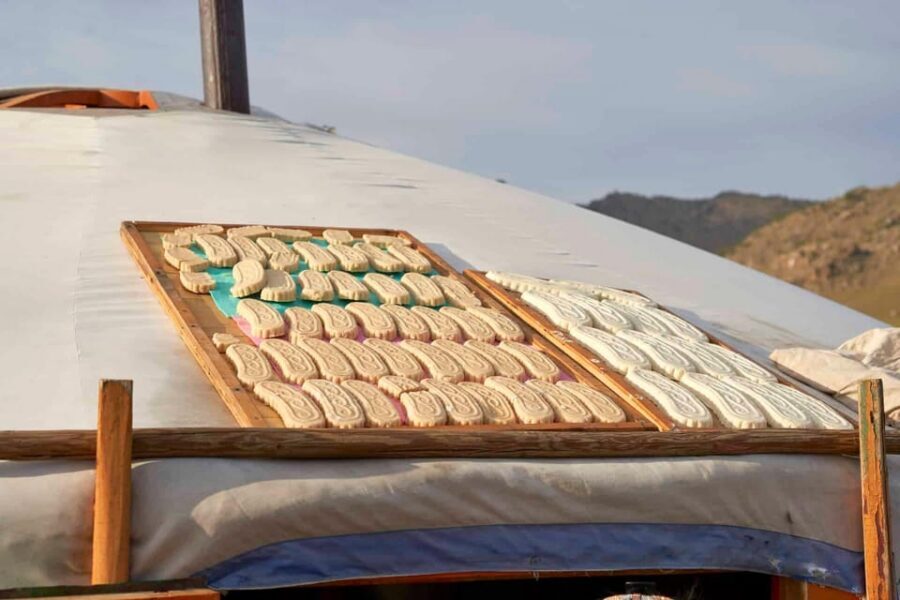
This is built for travelers who want a lot of Mongolia without burning through weeks. In three days you get the outdoors side (rock hills, valleys, meadows), the human side (ger life and livestock), and the old-world side (Karakorum memory and monastery buildings).
Why that matters for you: Mongolian travel can feel either too slow or too rushed, depending on how your days are structured. Here, the route is tight, but the pacing is varied. You’ll hike a bit, ride animals, then switch gears to museums and monasteries. That mix helps you keep energy up without turning every hour into “transport roulette.”
It’s also a small group trip, with a limit of 18 people. That number matters on this kind of route because vehicle space, meal timing, and activity logistics all depend on it. The tour includes a driver, a 4WD vehicle, and fuel, so you aren’t trying to coordinate remote roads on your own.
Price-wise, you’re paying for more than sightseeing tickets. Most of your value comes from getting transport deep into the countryside, plus guided horse and camel riding and two nights in Mongolian-style accommodation. If you’re the kind of traveler who enjoys doing one or two signature activities well, this works.
You can also read our reviews of more tours and experiences in Kharkhorin.
Day 1 Terelj National Park: Ovoo, Turtle Rock, Horse Trekking, and Zaisan
Day 1 starts with the journey into Terelj National Park, with a one-way travel distance of about 75 km. On the way, you stop at Ovoo, the pile-of-stones tradition dedicated to the gods of nature and the blue sky. Even if you’re not “religious,” it’s a meaningful introduction because it connects the land with how local people see the sky, wind, and seasons.
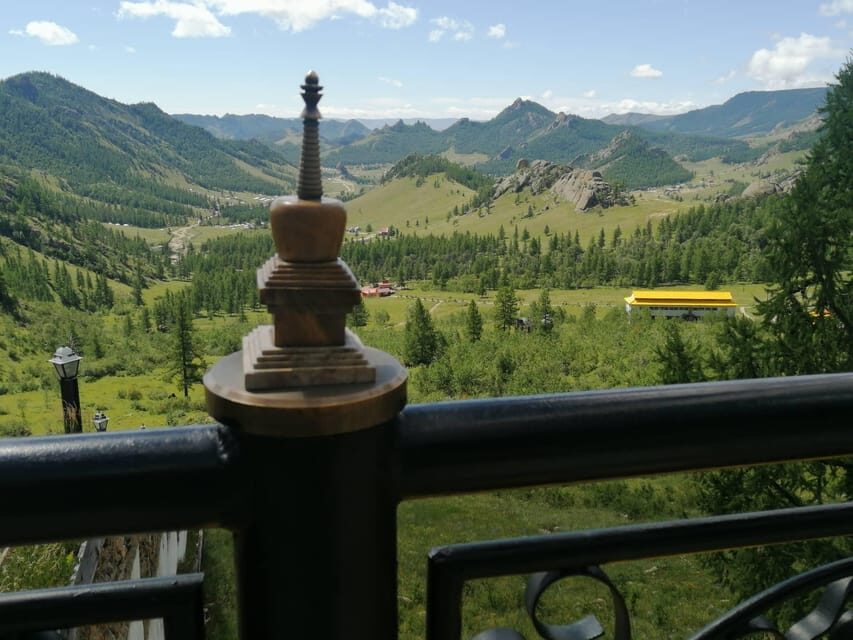
Then you move through granite rocky hills where you can spot nomad homes (gers) and see livestock grazing in the pasture. This is one of those moments where the landscape isn’t the backdrop—it’s the lifestyle. You’ll also spend time exploring the protected area around Terelj, so you get more than one viewpoint and a quick photo moment.
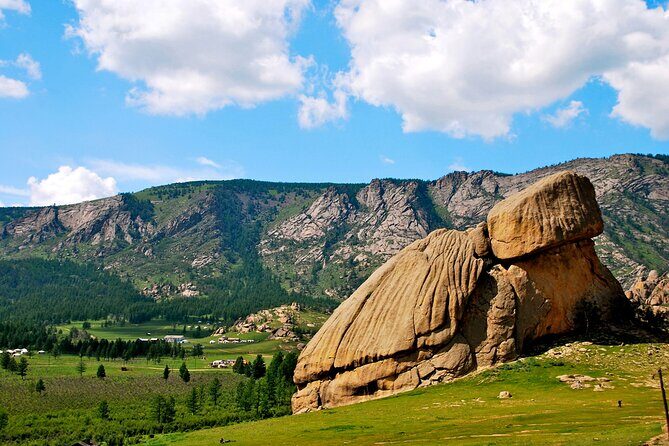
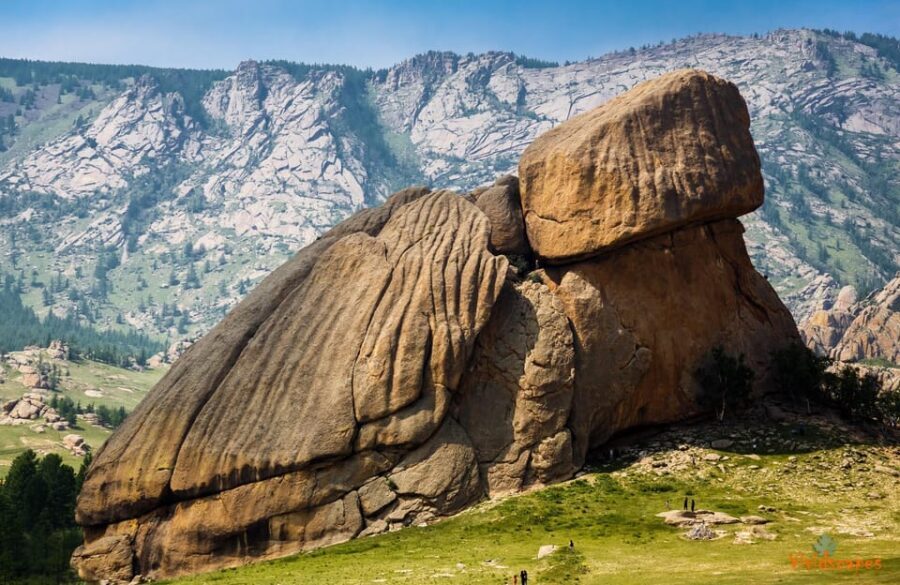
Turtle Rock is the next big stop. It’s famous for a reason: from the right angle, the rock formation really does look like a turtle, and the surrounding views make it feel like a natural landmark. After that, you shift from iconic sights to movement: a soft trek on green meadow areas, plus hiking toward hills and exploring green valleys.
Here’s the practical part for your day: expect some walking time, and expect to go at a steady outdoors pace. The “soft trekking” wording still means shoes matter, especially with uneven ground. If your legs are sensitive, bring footwear you trust.
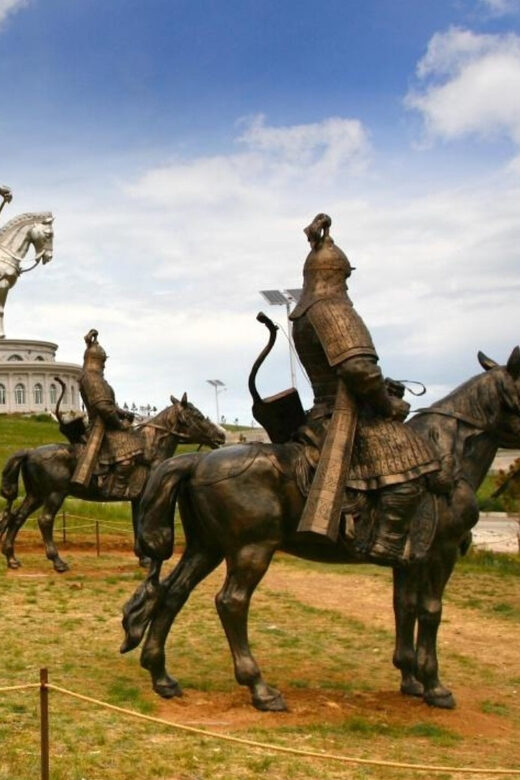
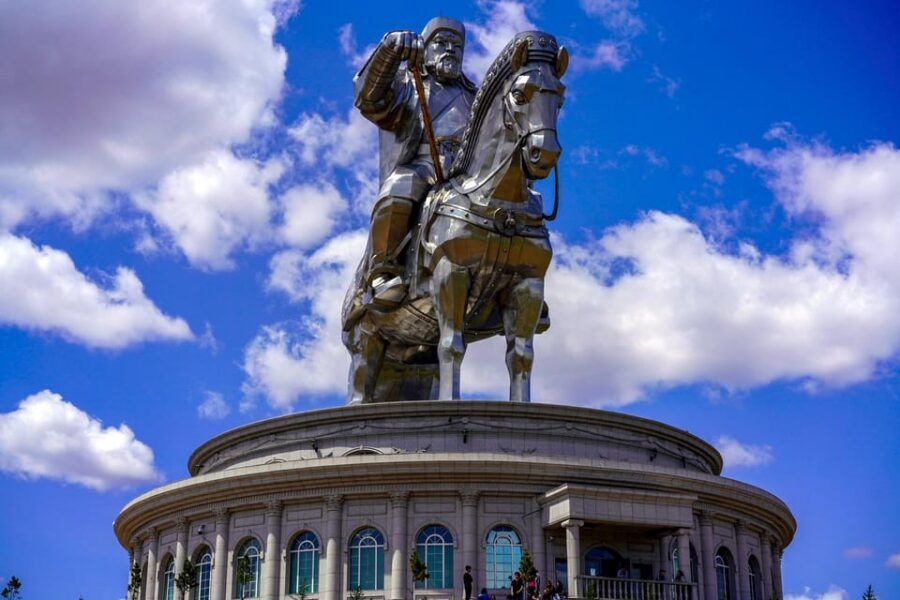
Horse trekking is included in the day’s plan, around the surrounding area. You’ll be riding past scenery rather than doing a short loop that feels staged. And near this set of experiences, you’ll also see the biggest Chinggis Khan statue in the world, which adds a strong Mongol-imperial flavor to the nature day.
The day’s spiritual-to-city transition continues with Meditation Monastery at Turtle Rock, then Zaisan Hill, and then Bogd Khaan summer palace. By the end of Day 1, you’ll have gone from nomad pasture to large-scale Mongol symbolism to monastery calm.
Drawback to keep in mind: Day 1 is long and packed with different stops. If you’re sensitive to being “on the go,” take it slow during the first hike so you don’t burn energy too early.
Where the Ger Nights Really Matter: Meals, Warmth, and Local-Style Sleep
You’ll overnight after Day 1 in either a ger hostel or with a local family setup, with lunch and dinner included. This is one of the biggest parts of the value here because accommodation in Mongolia’s countryside isn’t just a room—it’s part of the experience.
Now for the part you should plan for honestly: gers can be cold. Some teams report that other groups felt the chill, and in one praised instance, extra coal was added so guests could sleep comfortably. That’s the kind of on-the-ground attention you want from a guide or cook.
Meals are included for both Day 1 and Day 2, which reduces stress. One helpful example from a praised Korean-language guide is calling ahead for restaurant orders so you don’t sit around waiting while food catches up. Another practical detail: if you’re not used to strong-smelling foods, the food prep can be adjusted to suit comfort.
For you, the lesson is simple: pack layers and don’t treat ger nights like hotel nights. If you keep a warm base layer ready, you’ll enjoy the novelty more instead of focusing on how cold the air feels.
Day 2 to Kharkhorin: Elsen Tasarkhai Sand Dune and a Full Camel Moment
Day 2 is the move-day. You’ll drive to Kharkhorin city via Elsen Tasarkhai sand dune, so the scenery changes again—less rocky hillside, more shifting desert-feel. It’s a nice contrast after Terelj and helps your brain “reset” before history time.
Kharkhorin is where you land in the story of Karakorum. You’re visiting the area that served as the capital of the Great Mongolia Empire in the 13th century. Karakorum was destroyed in 1380, but later, about two centuries afterward, Avtai Khan (founder connected with the Erdene Zuu Monastery) helped re-establish a settlement on the same site. Even if you know little about Mongol history, the location gives you context fast: this wasn’t random. It was power and politics.
As you travel through Kharkhorin, you’ll also get the “here and now” side of the town—sightseeing areas and ger hostel options. The contrast is real: ancient capital memory and everyday Mongolian travel infrastructure exist in the same space.
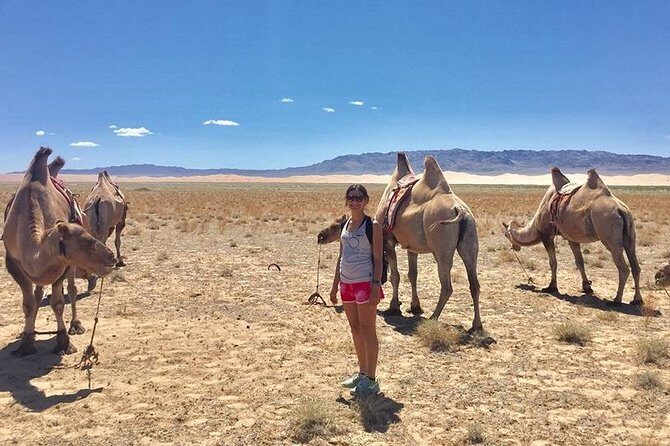
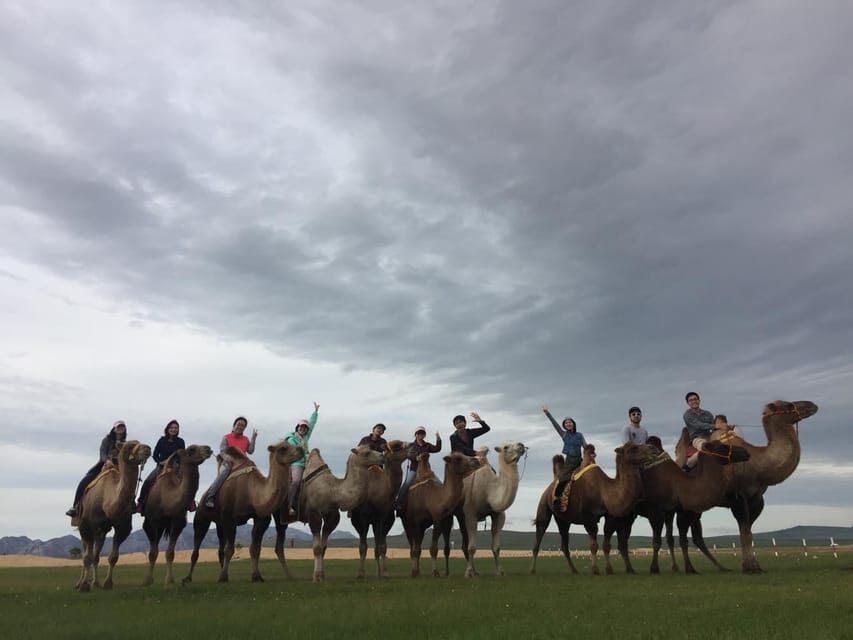
Then there’s the activity you should not treat as optional: camel riding. About 1 hour is included in the price, and it’s one of those experiences that makes the day feel distinct from just visiting places. Camels also match the region better than another short photo stop would, since the countryside and sand surroundings fit the mood.
Food continues to be included on Day 2: breakfast, lunch, and dinner. That matters on long drive days because hunger can turn “interesting travel” into “irritation management.”
Overnight on Day 2 is again in a ger hostel. That continuity helps: you’re not switching accommodation styles mid-journey, and you can focus on resting before the monastery day.
Day 3 Erdene Zuu Monastery and the Khar Khorum Museum
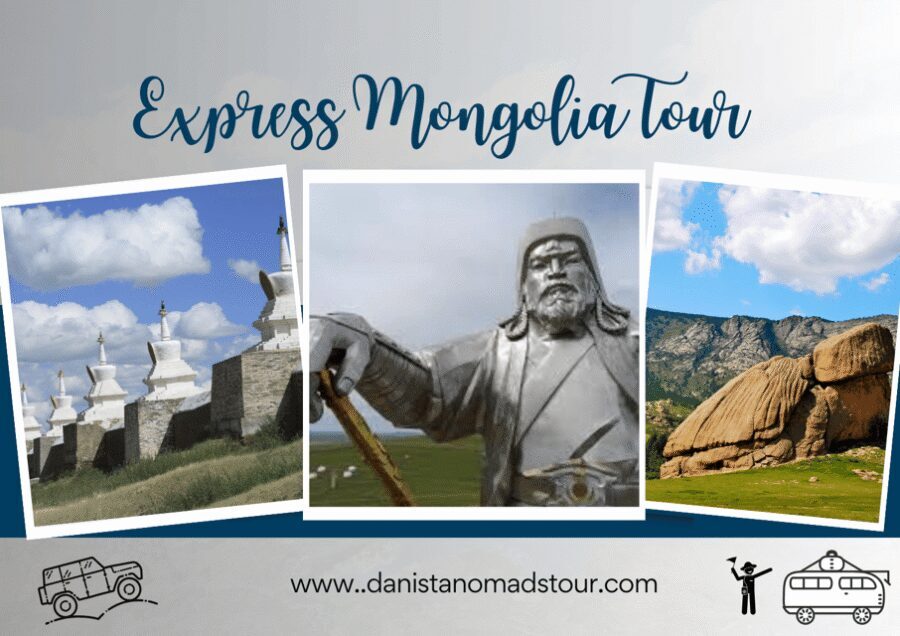
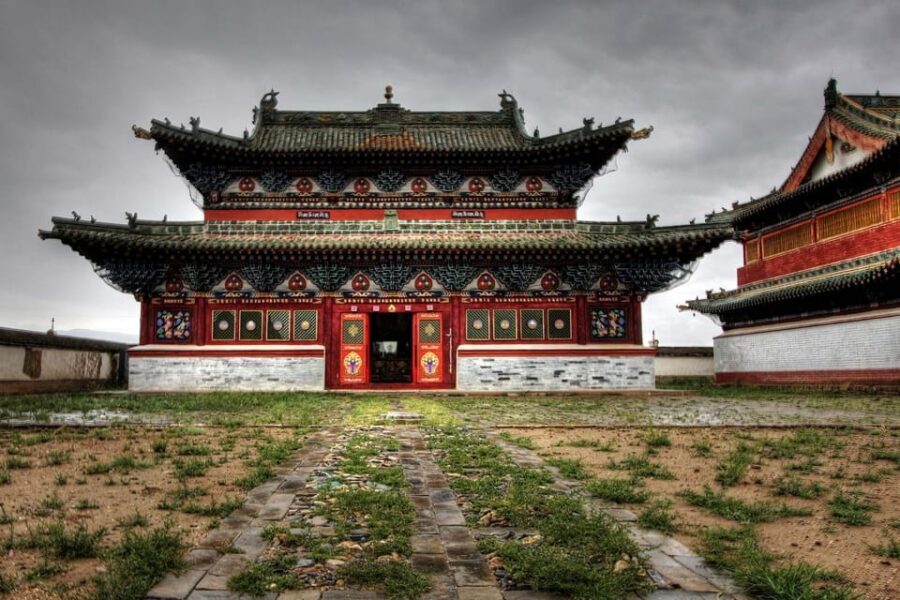
Day 3 is your “slow and meaningful” day, compared with the earlier motion. You visit Erdene Zuu Monastery, which ties the area’s medieval importance back to religious life. This isn’t just one building in isolation—it’s a place that helps you connect the empire-era geography with spiritual tradition.
After that, you’ll go to the Khar Khorum museum. A museum stop is a good move here because it helps you read what you’re seeing around the monastery and town without relying on guesswork. If you’re the kind of traveler who likes to understand what you saw after the fact, this is the payoff moment.
Then you drive back to Ulaanbaatar, with breakfast and lunch included.
One more practical thought: if you want photos that don’t look rushed, Day 3 tends to be easier for that. You’ve already done the major “getting there” work on Day 1 and Day 2, so your attention can stay on what’s in front of you.
Transportation, Group Size, and English Guidance That Keep the Trip Smooth
This trip runs with a driver and a 4WD vehicle, with petrol included. In rural Mongolia, road conditions and travel distances can make a private arrangement feel expensive; here, the group format helps keep it manageable.
Small group size is another advantage: capped at 18 participants. On an itinerary with horse and camel rides, small-group logistics help avoid long delays and help keep the flow natural. When a group is too big, you end up waiting around for the slowest moments. This format is meant to reduce that.
Language support is also built in. You can have guidance in Korean, Japanese, Chinese, or English. Even if you speak only one language, the guide’s role is more than translation. A well-run guide helps you understand what to do during rides and treks, and helps you keep your day on schedule without feeling like you’re being pushed.
One small-but-smart extra: visa support and an invitation letter are offered if you need them. That’s useful if you’re planning ahead and want a smoother admin path.
Also included is bottled pure water (1.5l) each day. When you’re moving between remote areas, having water handled for you is one less thing to think about.
Price and Value: Is $600 Fair for This Much Remote Travel?
At $600 per person for 3 days, you’re paying for a package that combines remote transport, guided activities, meals, and accommodation. Let’s break down what you actually receive:
- Transport: driver, 4WD vehicle, petrol
- Guidance and food: English speaking guide/cook and meals as listed (breakfast/lunch/dinner across the days)
- Accommodation: overnight stays in ger hostel or local family setup
- Activities: horse trekking plus camel riding (about 1 hour)
- Entry fees: national parks and museum entrances
- Practical extras: bottled water daily and camping equipment
What’s not included is also clear: air tickets, personal items, optional activities, alcohol and snacks, and travel insurance. That’s standard, but it means you should budget extra for anything you decide to add yourself.
Is it good value? For this region, yes—especially if you want rides and you don’t want to organize your own 4WD, guide, meals, and entry fees. The package reduces friction. You’ll likely spend your time choosing layers, shoes, and camera settings, not piecing together logistics.
If your budget is tight but you still want a Mongolian “best hits” run, this might still be worth comparing against DIY options. DIY can be cheaper if you can find transport and a reliable local guide—but that often collapses once you factor in the real work of coordinating remote distances.
Who This Tour Suits Best (and Who Should Rethink It)
This fits well if you:
- Want one memorable horse experience plus a camel ride without extra booking
- Enjoy a balance of hikes, animal riding, and cultural stops like monasteries and museums
- Like small-group travel where the pace stays organized
- Are comfortable spending nights in a ger-style accommodation
It’s not a great match if you:
- Prefer very relaxed days with lots of free time
- Want kid-friendly flexibility, since it’s not suitable for children under 10
- Need accessibility accommodations at an advanced age; it’s not suitable for people over 95
If you’re traveling as a couple or with friends, the small group size can make it feel social without becoming chaotic.
Should You Book This Terelj and Kharkhorin Experience?
I’d book it if your goal is classic Mongolia in three days: Terelj nature, horse-and-camel movement, and meaningful stops at places like Meditation Monastery and Erdene Zuu. The value is strong because the price covers the hard parts—4WD travel, guides, meals, entrance fees, and the riding activities.
I’d hesitate if you dislike packed itineraries or you want lots of downtime. Day 1 in particular moves through many highlights, so you’ll be scheduling your energy, not just your photos.
If you’re curious and practical, this tour is a smart way to see real Mongolia without turning your trip into a logistics project.
FAQ
What time is pickup for this tour?
Pickup is scheduled for 9 am. You share your pickup address, and the driver and guide come from there.
How long is the tour, and how many days does it cover?
The tour lasts 3 days total.
What languages are available for the live tour guide?
The tour offers live guidance in Korean, Japanese, Chinese, and English.
Are horse ride and camel ride included?
Yes. Horse trekking is included, and a 1-hour camel ride is included in the package.
What does accommodation include during the trip?
You get accommodations during the trip. Day 1 includes an overnight stay in a ger hostel or local family setup, and Day 2 includes an overnight in a ger hostel.
Are meals and entrance fees included?
All meals shown in the itinerary are included, along with entrance fees for national parks and museums. Bottled pure water is also included each day.