REVIEW · ULAANBAATAR
Know your future with Mongolian Shaman (online or in person)
Book on GetYourGuide →Operated by Travel Mongolia · Bookable on GetYourGuide
Your future gets a Mongolian shaman check. This 4-hour experience in Töv is built around Mongolian shamanism and a live, English session focused on your past, present, and future. I also like the practical side: free hotel pickup and drop-off, so you can spend your energy on the ritual, not logistics.
One thing to consider: timing can be inconsistent. In an account tied to this experience, the guide arrived two hours late (and communication wasn’t there), which can matter if you’re going for healing and need a calmer build-up first.
In This Review
- Key things you should notice before you go
- Entering the spirit world in Töv: what the 4-hour session is really about
- Price and Logistics: is $140 good value with pickup and meals?
- The question framework: past, present, future, and the topics you can raise
- Your birth animal sign: why it gets mentioned and how you can use it
- Meeting a shaman: what’s emphasized about the spirit role
- Ceremony atmosphere: cleansing, emotions, and why your state of mind matters
- How the rest of the afternoon works: timing, flexibility, and what to plan around
- Who this tour fits best (and who should think twice)
- The cultural and spiritual context you’ll hear while you’re there
- Should you book Know your future with Mongolian Shaman?
- FAQ
- How long is the Mongolian Shaman experience?
- Where does the experience take place?
- Is hotel pickup and drop-off included?
- What language is the live tour guide?
- What kinds of questions can I ask?
- Are meals included in the price?
Key things you should notice before you go
- Spirit intermediary setting: you’re meant to speak with a shaman as an intermediary between this world and the spirit world, not just a performer.
- Three question themes across time: you can ask about your career and health, plus more about yourself, spanning past, present, and future.
- Family questions are allowed: you can ask on behalf of a spouse, family member, or loved one.
- Birth animal sign matters: knowing your birth animal sign (like year of rooster) is treated as an important part of how you frame things.
- Guided, English-language session: the tour runs with a live English guide, plus a driver and local support.
- Plan for flexibility: the session time can shift, so give yourself room in the afternoon.
Entering the spirit world in Töv: what the 4-hour session is really about
This isn’t a show. It’s presented as a working session with Mongolian shamanism, where you ask questions and a shaman responds as a spiritual intermediary. The whole point is that you’re looking at invisible causes behind visible life—things like wellbeing, timing, and balance.
You’re told the ritual involves a shaman and also the shaman’s host. In plain terms, that means you’re not only meeting a person in Mongolian tradition; you’re entering a belief system where spirits, nature, and ancestors all play roles. If you like culture that has practical rules and not just vibes, you’ll probably take to this.
The schedule is designed for late afternoon into early evening. You go around 4–5pm, and the session can run until early evening depending on your questions. In other words, it’s not the kind of tour where you can pretend you don’t have to think about what you want to ask.
You can also read our reviews of more tours and experiences in Ulaanbaatar.


Price and Logistics: is $140 good value with pickup and meals?
At $140 per person, the value hinges on what’s included, not the label. You get transportation and a driver, plus a local guide for the live English experience. You also get free hotel pickup and drop-off, which is often where cheaper tours quietly charge you in the form of taxi hassle.
Meals are listed as included as per itinerary. That matters in a practical way. If you’re asking personal questions around dinnertime, you don’t want to be calculating where your next meal is coming from mid-ritual.
Alcohol is not included, but it can be purchased. If you think you’ll want to steady your nerves with drinks, it’s worth knowing you’re not getting it bundled into the price. If you’re coming for healing or clarity, I’d also plan to keep your body calm and present, since the experience asks you to open up.
What about the big logistical risk? Timing. The tour timing can be adjusted daily, and one account specifically mentioned a guide named Bachi arriving two hours late with poor communication. That’s not guaranteed to happen to you, but it’s a real reason to build a buffer so a delay doesn’t spike your stress right when you’re trying to settle in.
The question framework: past, present, future, and the topics you can raise
This session is structured around question types. You’re allowed to ask about:
- yourself,
- career,
- health,
…and you can ask across past, present, and future. The idea is that life patterns show up over time, so your questions aren’t only about what happens next—they’re about what might be shaping now.
You can also ask for other people: spouse, family members, and loved ones. That’s a big deal if you’re traveling with a partner and one of you wants answers for both of you, or if you’re visiting Mongolia with a specific concern you don’t want to carry alone.
You don’t need a rigid plan beforehand. You’re encouraged to open up and express yourself freely, and you’ll be guided on how to handle your questions during the event. Still, I recommend you show up with at least a rough theme in mind—career direction, a health concern, or a relationship question—so you’re not trying to invent your whole “life chapter” on the spot.
Also, note the emotional tone the session expects. You’re told to follow the guide’s advice on how to handle your questions. That suggests you’ll get some practical instruction during the ritual—how to ask, how to focus, and when to keep it simple. If you’re nervous, bring that honesty with you, and lean on the guide to help translate your thoughts into something the shaman can work with.
Your birth animal sign: why it gets mentioned and how you can use it
Before the session, you’re told it’s important to know your birth animal sign. The examples given are like year of rooster. The practical value here is not mystical math—it’s alignment.
When a tradition tells you your birth year maps to an animal sign, it’s usually creating a shared reference point. In a ceremony where you’re discussing your past, present, and future, that reference helps you ground the conversation in a system with rules.
The instruction is straightforward: you can look up your sign on Google easily. If you want a stress-free visit, do this ahead of time, write it down, and keep it in your phone notes. Then you can focus on speaking clearly rather than hunting for a calculator or forgetting your own birth-year details in a tense moment.
Even if you’re skeptical, this step can still help. It gives you something concrete to bring into the room, which can make the whole experience feel more guided and less like you’re blankly waiting for meaning to appear.
Meeting a shaman: what’s emphasized about the spirit role
The experience is marketed as meeting a genuine shaman whose role is spiritual, not just human entertainment. You’re also told the shaman is a mediator between this world and the spirit world. That framing is central.
So what do you do as the visitor? You listen, you ask your questions, and you respond to whatever guidance comes back. The host element matters too: the shaman isn’t presented as alone. That’s why the ritual is described as more like a working relationship than a one-time reading.
One practical detail you can take from accounts connected to this experience: the guide can be sincerely invested in shamanism. In one instance, the guide named Bachi was described as a devoted follower of the tradition because it runs in his family. In that same account, Bachi even recommended his book about shamans afterward. That’s not something you should expect every time, but it’s a hint that you may get a guide who can explain the beliefs in plain language.
Another account said the tour was incredibly interesting, with lots of explanation from the guide. If you like learning while you’re being guided, that style can make the experience feel more grounded and less like you’re stuck in silence waiting for something to happen.




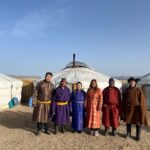
Ceremony atmosphere: cleansing, emotions, and why your state of mind matters
You’re told this moment is like opening a black box of yourself—past, present, and future. That’s dramatic language, but it points to a real psychological expectation: you’re not just collecting information. You’re stepping into a space where emotions may rise.
In one account, the person described feeling soothed by a cleansing ritual at the end, even after arriving through a frustrating delay caused by a late guide. That detail matters because it tells you what the ritual can be used for emotionally—resetting your state, not just predicting outcomes.
So go in expecting feelings. That doesn’t mean you’ll cry or freak out. It means you should treat the ceremony like a process. If you’re angry, worried, or carrying a heavy question, that may show up in your experience. And if you’re open and respectful, it may also help you get more out of the session.
You’re family-friendly invited into spiritual practice, so the tone should stay respectful. Still, you’re asking about health and future—topics that can hit personal nerves. If you’re the type who shuts down when things get intense, it may be worth thinking about how you can communicate simply and clearly.
How the rest of the afternoon works: timing, flexibility, and what to plan around
The session starts in the afternoon around 4–5pm and finishes early evening. That puts it in the window where you might normally be thinking about dinner plans and fatigue. The tour’s structure works better if you treat it as the main event, not something you squeeze in between other commitments.
Because timing can shift daily, you should keep your evening flexible. The experience explicitly asks for openness to moving your booking a day earlier or later if needed due to scheduling. That’s not ideal if you have tight travel days, but it’s also a normal reality for spiritual ceremonies that depend on more than your watch.
For me, the key practical advice is this: don’t schedule a second “must-do” right after the session. You don’t know how you’ll feel when it ends. You also don’t know how the guide will manage pacing if you have multiple question topics.
You’ll be transferred back to your hotel once the activity concludes. So at least you’re not stuck figuring out transport in the dark or hunting for a taxi while your mind is still running.
Who this tour fits best (and who should think twice)
This experience is family friendly and offered in English. It’s also wheelchair accessible, which is helpful if mobility is part of your planning. If you want something spiritual but still guided by a local English-speaking team, this checks those boxes.
It also fits well if you like living traditions rather than museum culture. Mongolian shamanism is described as an all-encompassing belief system that includes medicine, religion, nature worship, and ancestor worship. The tour doesn’t present shamanism as a single trick; it frames it as a broader worldview about invisible worlds and balance.
If you’re traveling with someone who wants answers about a specific issue—career direction, health worries, timing—this structure gives you permission to ask in a focused way. The option to ask for a spouse or loved one also makes it work when you’re traveling as a couple or family group.
Who might think twice? If you need strict punctuality and excellent communication every minute, you should be aware of the potential for delay. One account mentioned two hours late and no communication. That doesn’t automatically mean it will happen again, but it’s a strong reason to plan calmly and bring patience.
Also, if you dislike any tradition where you’re asked to open up emotionally, you might find the tone more intense than you want. This experience asks you to express yourself freely and follow advice on questioning.
The cultural and spiritual context you’ll hear while you’re there
Even before you get into your personal questions, the tour context is important. Mongolian shamanism is described as including:
- medicine and religion,
- a cult of nature,
- ancestor worship.
You’re also given a cosmology: Eternal Heaven above (Munkh Tenger) and Mother Earth below (Etugan). The shaman interacts with many unseen worlds, and those interactions are framed as central to the work.
If you’re the type who likes to know the “why” behind rituals, this background helps you understand why your question themes are framed the way they are. Career, health, and life direction aren’t treated as separate islands. They connect to balance—between personal life, nature, ancestors, and invisible realms.
There’s also a historical note included: in the 13th century, a leading shaman declared Genghis Khan the representative of Mongke Koko Tengri. That kind of detail can help you see shamanism not as a random custom, but as a worldview that has influenced leadership and identity in the steppe region.
Should you book Know your future with Mongolian Shaman?
Book it if you want a guided, English-language experience tied to Mongolian shamanism, with pickup, a professional guide, and a format that lets you ask past, present, and future questions about career and health. I’d especially consider it if you’re traveling with a clear intention and you’re open to ceremony as a process, not just an information service.
Skip—or at least rethink—if punctuality and calm communication are non-negotiable for you. The experience can be affected by daily operations, and one reported case included a major delay tied to guide arrival and communication.
If you do book, I’d come prepared in three simple ways: know your birth animal sign ahead of time, bring 1–3 focused question themes (even if you won’t script every word), and keep your evening flexible afterward. You’ll get more out of it that way, no matter how the timing plays out.
FAQ
How long is the Mongolian Shaman experience?
It lasts 4 hours.
Where does the experience take place?
It takes place in Töv, Mongolia.
Is hotel pickup and drop-off included?
Yes. Free pickup and drop-off are included.
What language is the live tour guide?
The live tour guide provides English.
What kinds of questions can I ask?
You can ask about yourself, your career, and your health, framed across past, present, and future. You can also ask on behalf of a spouse, family member, or loved one.
Are meals included in the price?
Meals are included as per the itinerary. Alcoholic drinks are not included and can be purchased.