REVIEW · ULAANBAATAR
From Ulaanbaatar: Semi Gobi, Nomads, Ancient Kharkhorin Tour
Book on GetYourGuide →Operated by Central Mongolia tour · Bookable on GetYourGuide
Two days in the Semi Gobi resets you. You get two great experiences side by side: the two-hump camel ride across Elsen Tasarkhai’s dunes, and real time at Erdene Zuu Monastery in Kharkhorin, plus museum stops and palace ruins.
I like that the trip is built around simple, memorable things: animal handling, desert scenery, and Mongolian spirituality you can see in stone—not just a slideshow. One drawback to plan for: it’s a lot of driving in a short window, and nights can be very cold, so warm layers matter.
In This Review
- Key things that make this tour worth your time
- From Ulaanbaatar to Kharkhorin: the 13th-century jump start
- Erdene Zuu and the Kharkhorum Museum: faith you can walk through
- Ger night with nomads: shared warmth and a sky that steals the show
- Day 2: Elsen Tasarkhai Semi Gobi dunes and your camel learning curve
- Camel ride tips that actually help
- Timing, meals, and what the two-day format really means
- Price and value at $280 per person: what you’re paying for
- Logistics that matter: what to bring and how weather changes the day
- Who this tour suits best (and who should look elsewhere)
- Should you book the Semi Gobi, Nomads, Ancient Kharkhorin Tour?
- FAQ
- How long is the Semi Gobi, Nomads, Ancient Kharkhorin tour?
- Where does the tour start and end?
- What camel ride is included?
- Do I sleep in a ger?
- Are meals included?
- What sites will I visit in Kharkhorin?
- What should I pack for the tour?
Key things that make this tour worth your time
- Two-hump camel basics on the dunes of Elsen Tasarkhai
- Erdene Zuu Monastery in Kharkhorin, tied to Mongolia’s spiritual past
- Kharkhorum Museum plus ruins of the palace of the great kings
- Ger night with nomads, with dinner and a shared setup (4–5 beds)
- A star-filled night sky and good sunset viewing near the camp
- All-weather operation, so you’ll need to dress for real conditions
From Ulaanbaatar to Kharkhorin: the 13th-century jump start
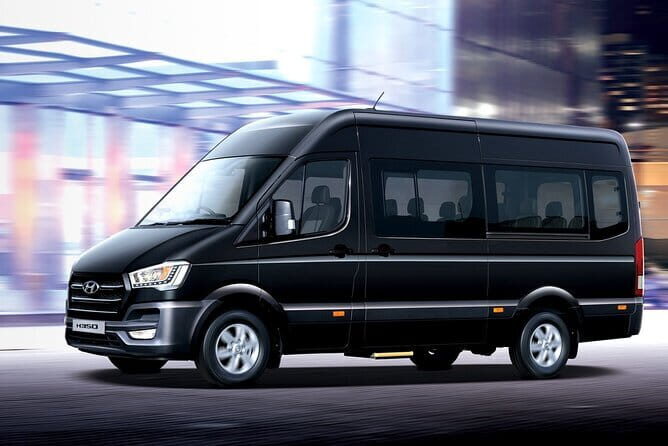
Most Mongolia trips start with mountains you can’t stop staring at. This one starts a bit earlier—with a hotel pickup in Ulaanbaatar around 8:30 to 9:00am, then a long drive south-west to Kharkhorin (about 360 km). You’ll be traveling by car, which is the practical choice in this part of Mongolia: it keeps your time focused on stops instead of transfers.
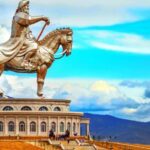
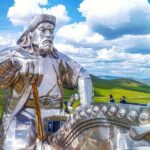
Kharkhorin is the site of the former capital of the Great Mongolian Empire in the 13th century, on the right bank of the Orkhon River. Even before you reach the monastery grounds, the timing helps. You’re not just passing through a town; you’re arriving in a place with a strong sense of what used to happen there.
What I like about this day-one pacing is that it mixes history with lived culture. You’ll tour the city and then transition into the nomad camp life the same day, rather than saving everything for later.
Reality check: because it’s only two days, you’ll spend serious time in the vehicle. If you get motion sick, plan ahead and bring what you need. If you’re okay with road time, you’ll probably find it worth it for how much you cover.
You can also read our reviews of more tours and experiences in Ulaanbaatar.
Erdene Zuu and the Kharkhorum Museum: faith you can walk through
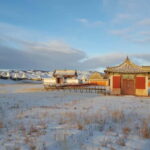
Day 1 centers on Kharkhorin’s spiritual and cultural core. The big stop is Erdene Zuu Monastery, described as a focal point in Mongolia’s history and culture. What makes it special is the “you can see it” factor. The monastery isn’t just an old building you point at—it’s a place that tells a story through its setting and its layout.
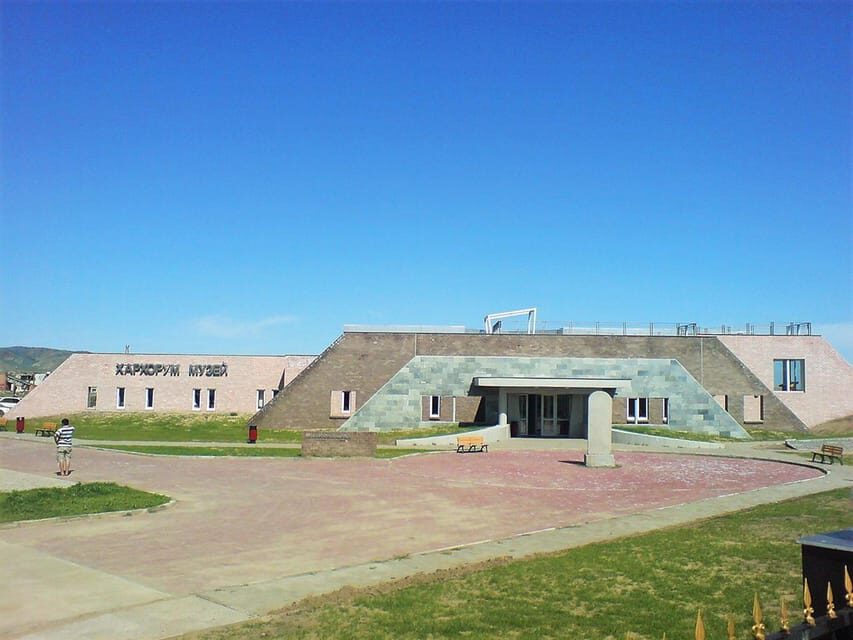
You’ll also visit the Kharkhorum Museum, which gives you context for the site you’re walking around. That matters here, because Mongolia’s history can feel huge and hard to place unless someone guides you through the connections—why these ruins and why this location.
A nice detail is that the experience also includes time connected to the ruins of the palace of the great kings. So rather than only seeing religious structures, you also get a sense of what the political power center looked like.
If you care about photo angles, keep an eye on timing. One traveler favorite was seeing the sunset near the camp with the monastery close by. You don’t need fancy gear to get a memorable shot; you need the right light and a bit of patience.
Ger night with nomads: shared warmth and a sky that steals the show
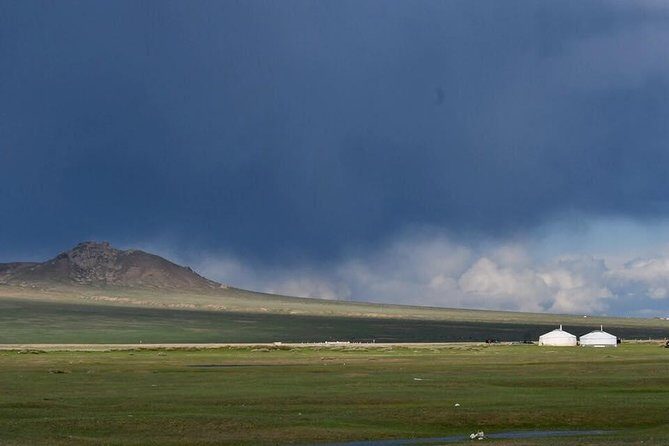
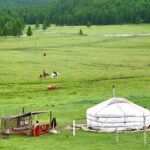
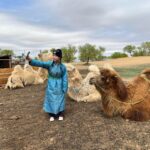
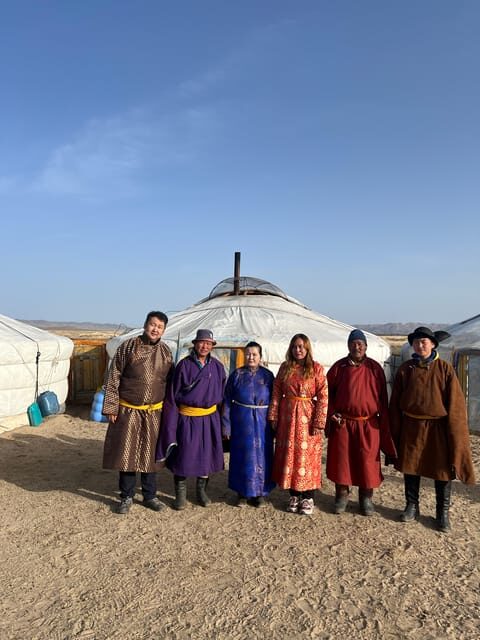
After the museum and monastery time, the tour shifts from stone to shelter—traditional ger/yurt guesthouse living. This is one of the main reasons people book this route in the first place.
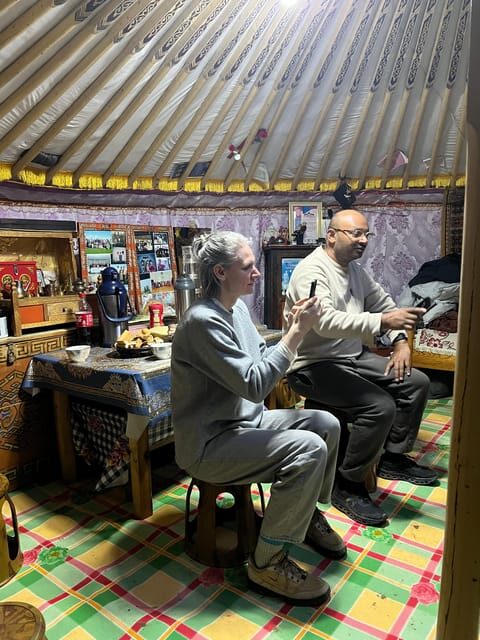
Here’s what you can expect: you’ll sleep in a shared ger, with about 4–5 beds per yurt. There’s dinner included, and the experience is designed around spending time with a Mongolian family and their everyday rhythm. For me, the value isn’t only in “having the experience.” It’s in how quickly you stop treating Mongolia as a destination and start treating it like a place with real routines.
One extra comfort note from experiences on this tour: some gers have an oven used to warm the space at night. Even with that, your biggest enemy will be cold air. Pack properly and you’ll be fine; underpack and you’ll spend the night wishing you had one more layer.
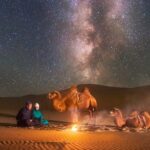
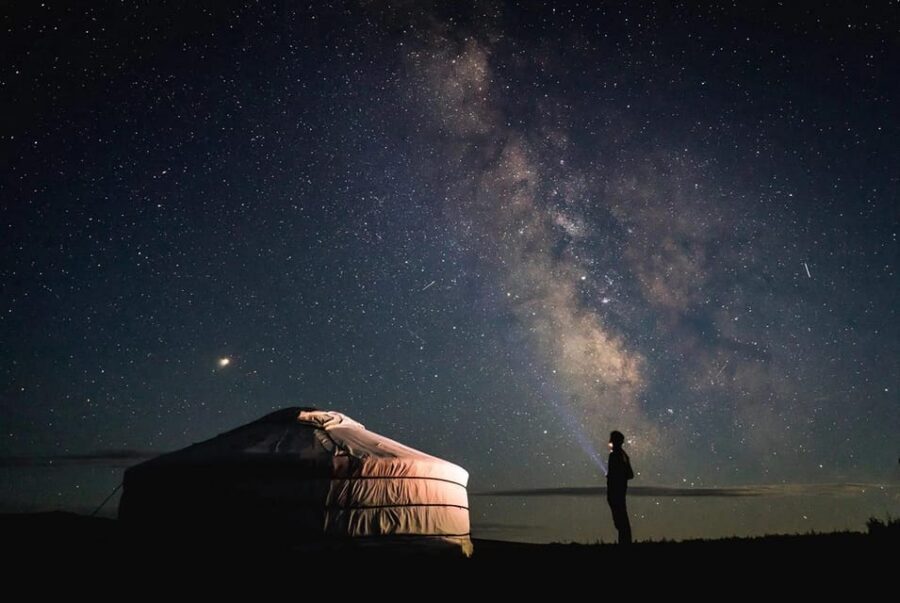
The night sky is the big payoff. Several accounts highlight countless stars and even shooting stars—exactly the kind of thing that makes the shortness of the tour feel worth it. If you’re a camera person, bring your camera and be ready to hold still for a minute. Mongolia rewards calm.
Day 2: Elsen Tasarkhai Semi Gobi dunes and your camel learning curve
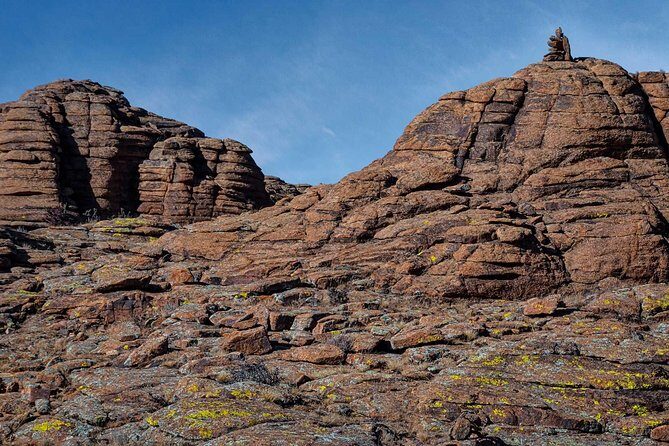
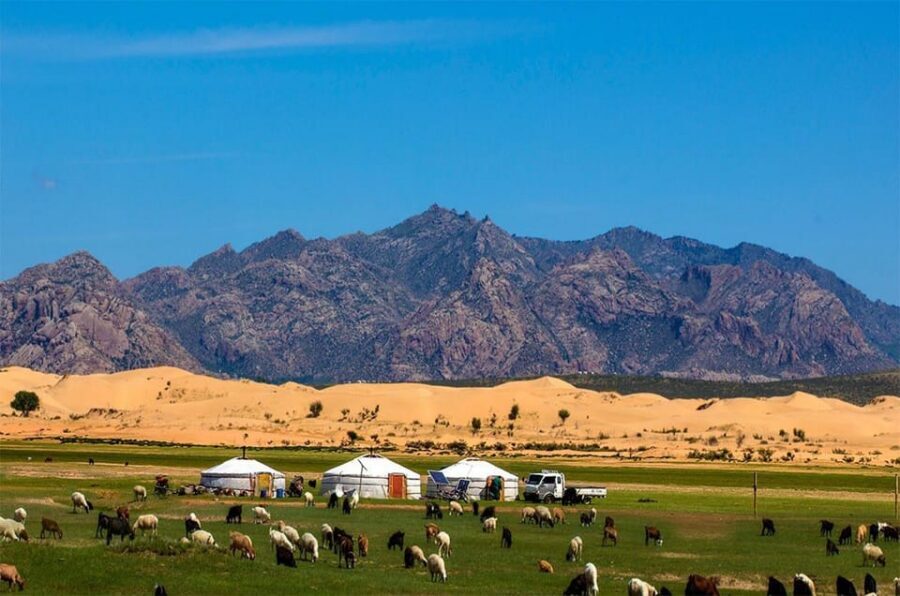
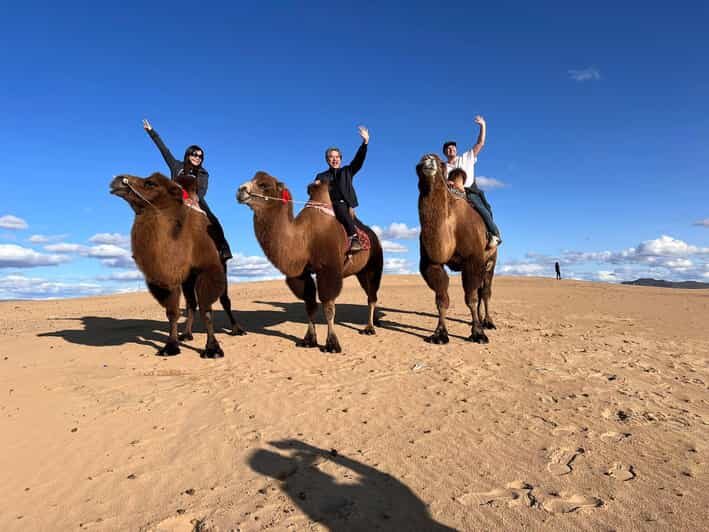
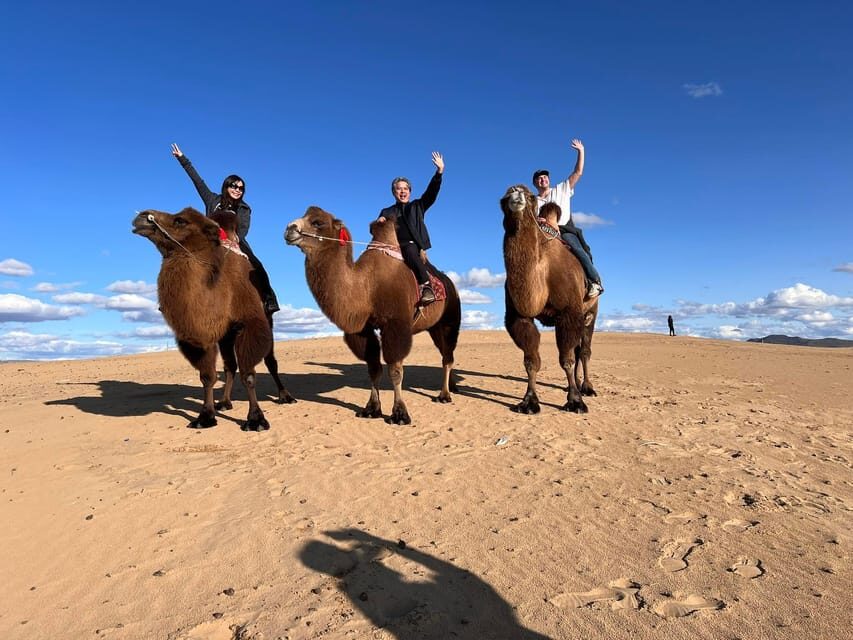
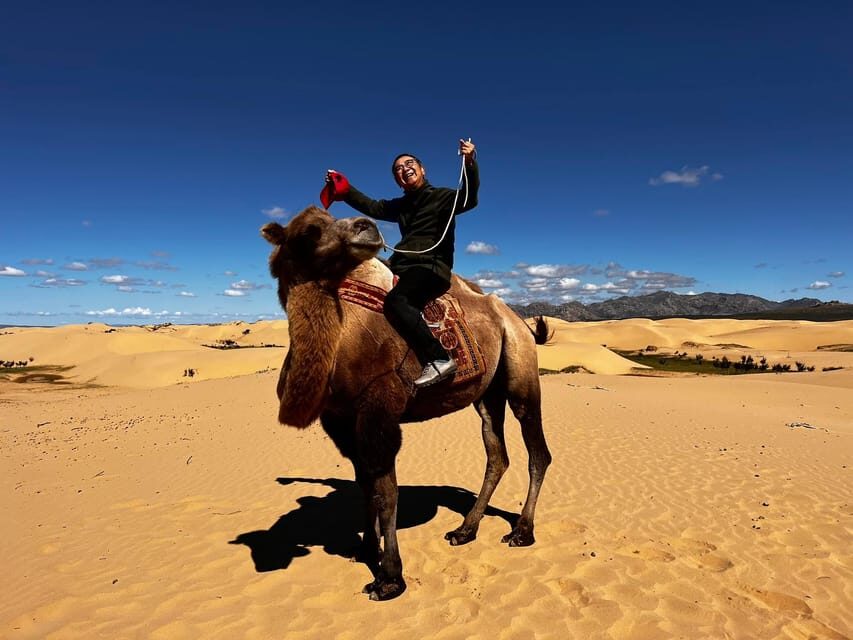
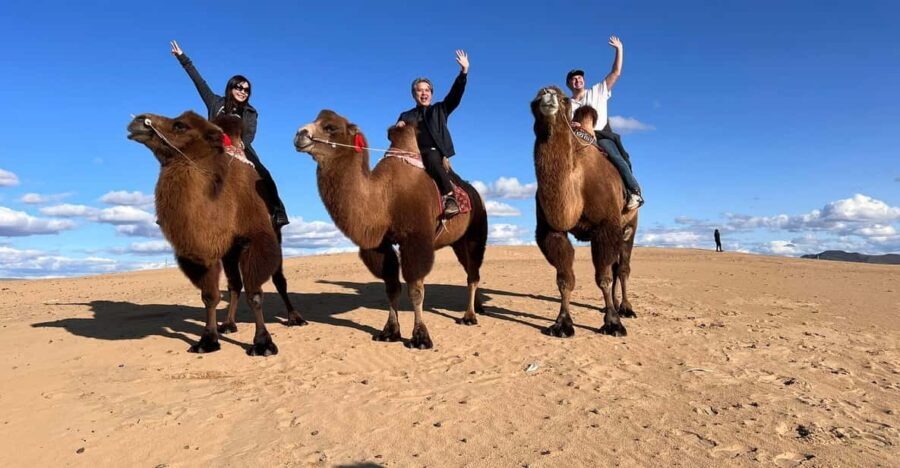
Day 2 is where the adventure gets moving. You’ll head out for camel riding at Elsen Tasarkhai, in the Semi Gobi area known for arid dunes and rugged mountains.
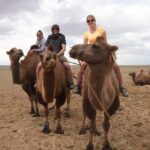
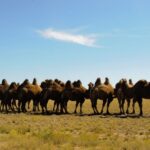
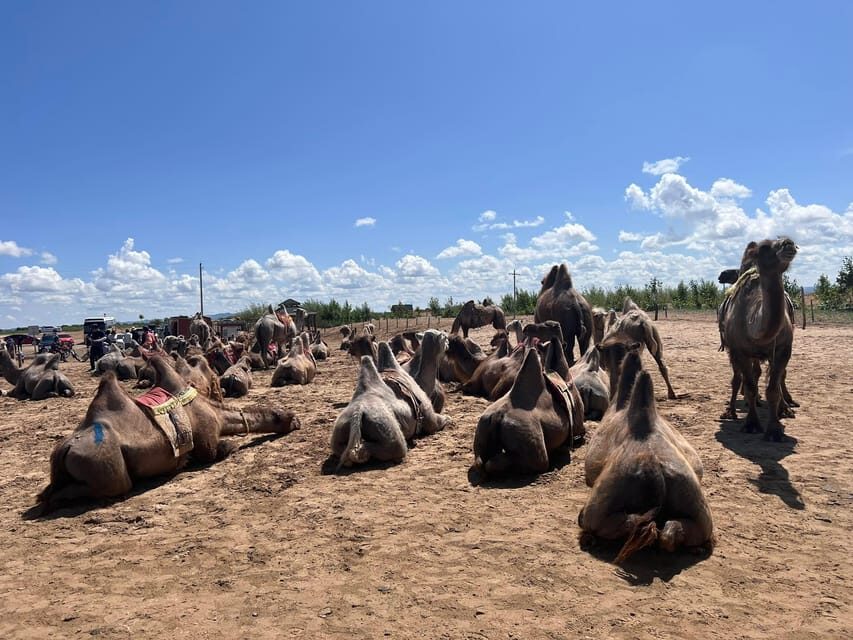
The tour focuses on riding Bactrian (two-hump) camels. If you’ve only imagined camels as statues in a zoo, here’s the real deal: you’ll learn balance, timing, and how to sit with motion instead of fighting it. It’s not “train for days” riding, but it’s not a passive photo-op either. You’ll likely get enough instruction to feel steady enough to enjoy the ride.
And yes, it can be spectacular at sunrise. One highlight people called out was a Bactrian camel ride at sunrise—cold air, dunes, and that early light that makes the whole world look sharper.
Camel ride tips that actually help
- Wear shoes that grip. Sand and uneven ground can make your footing feel trickier than you expect.
- Use layers even if the day looks bright. Mongolia’s temperature swings can be real.
- If you’re tempted to skip water, don’t. Bring it and sip.
- Consider a neck pillow if you want to nap on the road after a long day.
Also, some versions of the experience include time riding horses in addition to camels. The core promise is the camel ride; if horses are part of your group schedule, it’s a bonus, not the main event.
Timing, meals, and what the two-day format really means
This tour is built for people who want a lot of impact in a short stretch. The structure is simple:
- Day 1: Kharkhorin city tour, Erdene Zuu Monastery, Kharkhorum Museum, then dinner and an overnight ger.
- Day 2: Camel riding in the Semi Gobi, then drop-off back in Ulaanbaatar around 4:00 to 5:00pm.
Meals included are 1 breakfast, 2 lunches, and 1 dinner. That’s a big deal in Mongolia, where you don’t always have easy options between stops. It also keeps your day from turning into a scavenger hunt.
One practical consideration: because you’re covering several key places, the trip can feel packed. If you’re someone who likes long lingering time in museums, this might feel fast. The trade-off is that you get the essentials—monastery, museum context, camel riding, and a nomad-style night—without needing a week.
If you’re vegetarian, there’s a note: you should advise at booking. That’s the right move because Mongolian camp meals are often built around what’s available and how the family cooks.
Price and value at $280 per person: what you’re paying for
At $280 per person, this is not the cheapest thing on your Mongolia list. But it’s also not “tourist convenience for nothing.” You’re paying for several real components:
- Hotel pickup and drop-off in Ulaanbaatar
- English-speaking guide
- Transport by car over a long distance
- Camel ride at Elsen Tasarkhai
- Overnight ger/yurt stay plus dinner with nomads
- Museum and monastery tickets (Kharkhorum Museum and Erdene Zuu Monastery)
- Included meals across both days
When you price it like that, the cost starts to look like a package of logistics, guide time, animal ride time, and entry fees—not just a scenic drive with a driver.
Is it a bargain? It depends on your priorities. If you want to see Kharkhorin and you also want animal riding and nomad overnight time, it’s a good concentration of experiences. If you only care about one of those pieces, you might find better value with a smaller segment tour.
Logistics that matter: what to bring and how weather changes the day
This tour runs in all weather conditions, so dress for discomfort, not for optimism. Warm clothing isn’t optional. You’ll be outside near dunes and historic sites, and you’ll sleep in a traditional ger setup where cold can creep in after dark.
Bring:
- Comfortable shoes
- Warm clothing
- Camera
- Water
It’s also a good idea to be ready for schedule adjustments. The plan notes that accommodation may change to a better option depending on weather and other factors, and you won’t pay extra. That’s normal for remote tours, and it’s better than pretending you can control nature.
One more important point: the tour does not provide insurance. I’d treat that as a non-negotiable item for Mongolia travel. Get travel insurance that covers medical stuff and trip disruption.
Who this tour suits best (and who should look elsewhere)
This experience fits best if you want three things at once:
- Cultural stops (Erdene Zuu, museum, palace ruins)
- Outdoor riding (Bactrian camel in the Semi Gobi dunes)
- A genuine overnight in a ger with nomad-family dinner time
It’s also a good pick if you like a guide who connects the dots. Several guides on the route were mentioned by name—people specifically praised Ang and Angarag, and also DAVKA and Baaska for making the day feel understandable and human, not scripted.
Who might not love it:
- If you hate long drives, you’ll feel it.
- If cold nights ruin your sleep, you’ll need to pack aggressively for warmth.
- If you want a slow, unhurried museum experience, the two-day pacing may feel tight.
Should you book the Semi Gobi, Nomads, Ancient Kharkhorin Tour?
If your Mongolia wish list includes camel riding, Kharkhorin’s historic center, and an authentic ger night with nomads, I’d say yes. This tour strings together the big moments without requiring you to stitch together multiple separate bookings.
Book it if you’re the type who values practical instruction (how to ride), memorable skies (stars and sunsets), and real cultural context (monastery plus museum). You’ll come away with more than photos—you’ll have a sense of how people live and worship in this region.
Skip it or consider alternatives if your ideal trip is mostly downtime, or if you’re not comfortable with cold and driving in a short window. Mongolia is generous, but it won’t be soft.
FAQ
How long is the Semi Gobi, Nomads, Ancient Kharkhorin tour?
It’s a 2-day tour.
Where does the tour start and end?
You’re picked up from your hotel in Ulaanbaatar between 8:30 and 9:00am. You return to your hotel area around 4:00 to 5:00pm on day 2.
What camel ride is included?
The tour includes a camel ride at Elsen Tasarkhai with Bactrian camels (two-hump camels).
Do I sleep in a ger?
Yes. You sleep in a shared ger/yurt guesthouse, with about 4–5 beds.
Are meals included?
Yes. The tour includes 1 breakfast, 2 lunches, and 1 dinner.
What sites will I visit in Kharkhorin?
You’ll visit the Erdene Zuu Monastery and the Kharkhorum Museum, and you’ll also see ruins of the palace of the great kings.
What should I pack for the tour?
Bring comfortable shoes, warm clothing, a camera, and water. The tour operates in all weather, so plan for cold conditions.