REVIEW · ULAANBAATAR
From Ulaanbaatar: Day Trip to Hustai National Park
Book on GetYourGuide →Operated by Travel Mongolia · Bookable on GetYourGuide
Wild horses roam just west of town. This Ulaanbaatar day trip to Hustai National Park is a quick escape into open valleys, and I like the English-speaking guide plus the chance to photograph wild horses tied to Mongolia’s conservation story.
You’ll also get a hassle-light format: hotel pickup, entrance fees, and lunch are handled for you.
One thing to plan for: spotting isn’t a sure thing, and in summer heat you may be asked to go earlier than the posted 9 AM start. That early timing is part of the strategy, but it can catch you off guard.
In This Review
- Key Things to Know Before You Go
- Hustai National Park: A Wild-Horse Mission Without the Overnight Grind
- The Morning Drive From Ulaanbaatar: Asphalt, Then Open Country
- Inside Hustai NP: Where You’re Really Looking (And How the Horses Behave)
- The key wildlife focus
- If you’re worried about missing them
- Exploring Scenic Stops and Hiking Time (Without Overcommitting)
- Lunch at the Park and a Local Food Stop: Simple, Cultural, and Useful
- Timing Reality Check: How the Day Stays Around 6 Hours
- English-Speaking Guides and Storytelling: Getting More From the Same Views
- What $195 Buys: Value, Not Just a Sticker Price
- Weather, Clothing, and Small Comforts That Matter
- Who This Day Trip Fits Best (And Who Might Want Another Plan)
- Potential Hiccups to Watch For (So Your Day Stays Smooth)
- Should You Book This Hustai Day Trip?
Key Things to Know Before You Go
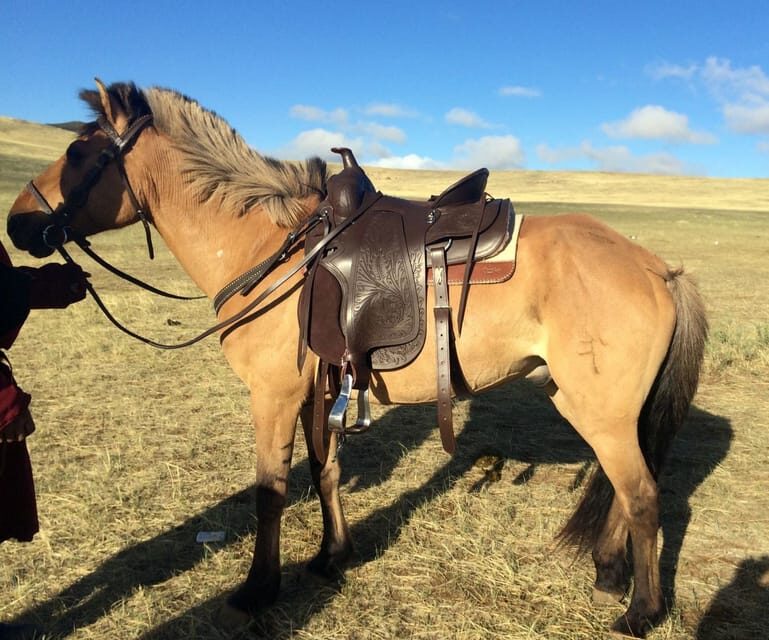
- Early in summer can mean 4:00–4:30 AM departures, because horses may hide from heat.
- About 95 km west of Ulaanbaatar keeps this one of the closest true wilderness outings.
- Lunch and transfers are included, so you’re not hunting for food or pay-your-way logistics.
- Przewalski’s wild horses are part of an international reintroduction program.
- A park stop plus a local food stop gives you both nature time and everyday Mongolian culture.
- All-weather operation, so bring real outdoor clothes, not just city layers.
Hustai National Park: A Wild-Horse Mission Without the Overnight Grind
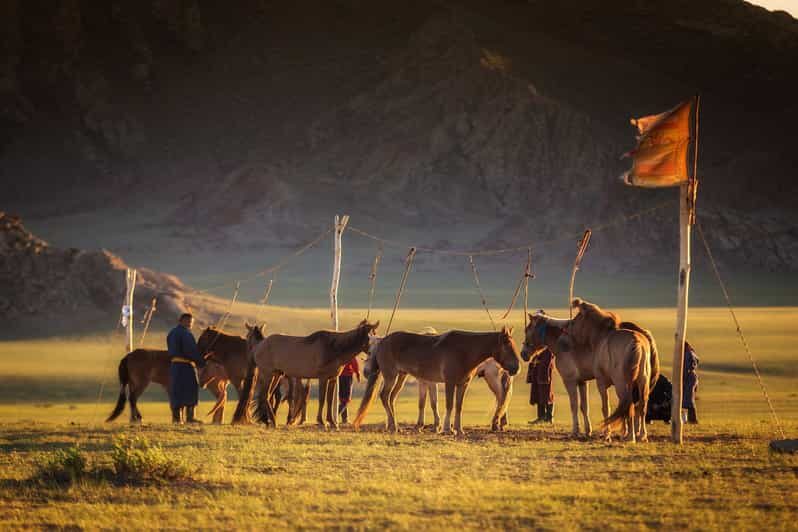
Hustai National Park is famous for Asia’s wild horses—often called Przewalski’s horses. The appeal is simple: you’re not just seeing animals in a zoo setting. You’re looking for them in valleys where they graze, pause, and move with the rhythm of the land.
What makes this day trip smart is the distance. From Ulaanbaatar, you’re only driving roughly 95 km (about 60 miles) west. That means you spend most of your time outdoors instead of in transit. If you’ve got limited days in the city, this is the kind of outing that feels like you actually left the city behind.
I also like that the tour is built around a guide who can connect what you’re seeing to how Mongolians live nearby. In practical terms, that helps you interpret what you’re looking at—horses, birds, and nomadic scenery—without needing to be a Mongolia expert first.
The flip side: even with the best planning, wild horse sightings are not guaranteed. The park is big, and horses can drift into rougher terrain or take shelter when conditions get hot. The tour’s rhythm and sometimes an earlier departure are built around improving your odds.
A few more Ulaanbaatar tours and experiences worth a look
The Morning Drive From Ulaanbaatar: Asphalt, Then Open Country
The day begins with a hotel pickup in central Ulaanbaatar. You’ll meet your driver and English-speaking guide at your accommodation, with the start time set for 9:00 AM as the baseline. After that, the drive takes you about two hours on asphalt roads in good condition.
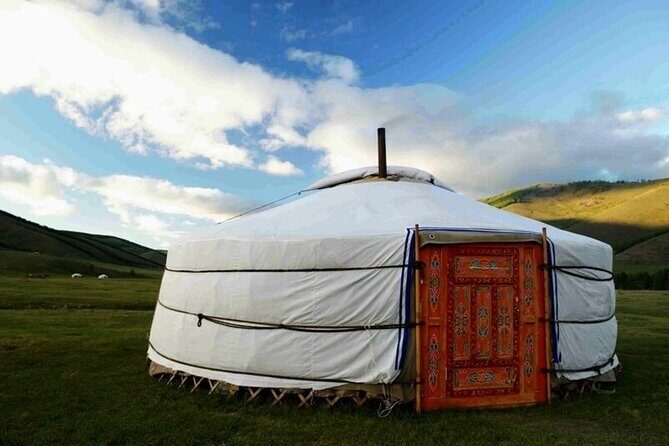
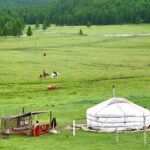
Along the way, you’re not just staring out a window. You’ll pass stretches of nomadic life—tents and the working look of countryside living. This is a small moment, but it matters. It helps you ease out of the urban feel and into the logic of Mongolia: space, distance, and the constant relationship between people and animals.
If you’re a photography person, the drive is also your warm-up. You’ll get chances to frame the wide sky and the changing light before you’re fully focused on the horses.
Inside Hustai NP: Where You’re Really Looking (And How the Horses Behave)
Once you arrive at Hustai National Park, your time is built around scouting the spots where the horses are grazing. The park’s reintroduction story is part of the point: these horses weren’t left to vanish quietly. They were brought back through an international conservation project, with a group from the Netherlands playing a role.
Why does that matter for your day? Because it changes what you’re observing. You’re not only seeing animals that look wild; you’re seeing the outcome of careful planning—recovery, habitat, and ongoing monitoring.
The key wildlife focus
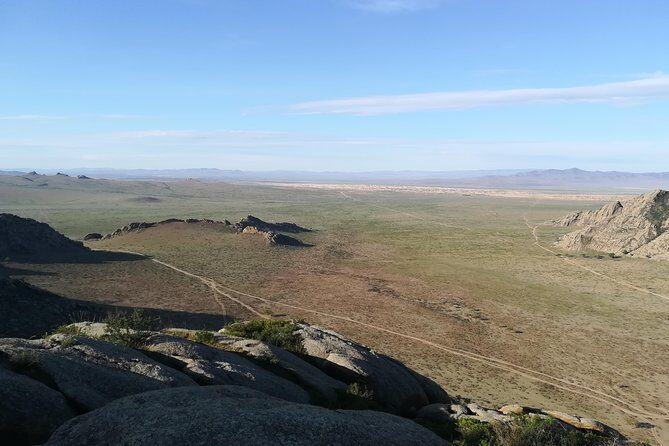
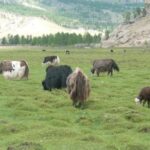
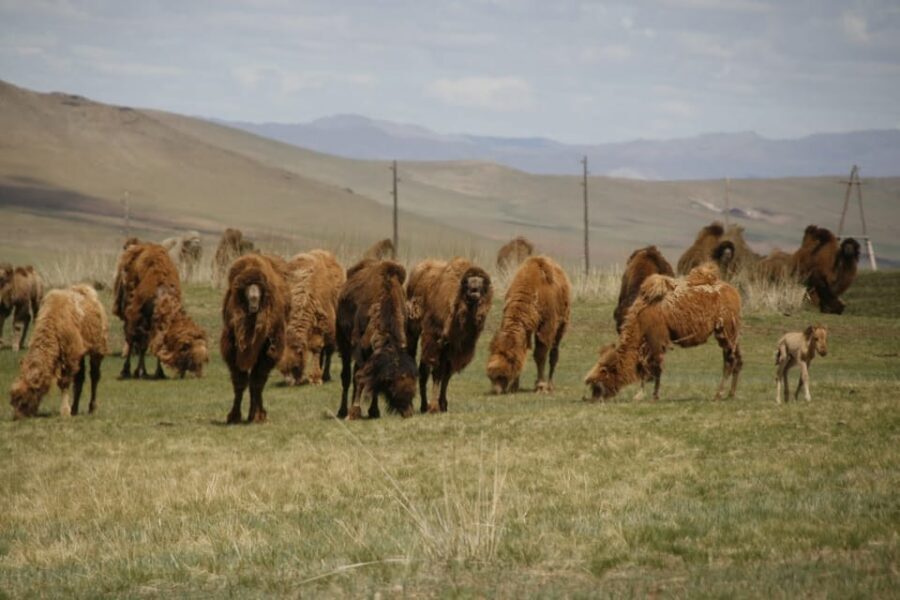
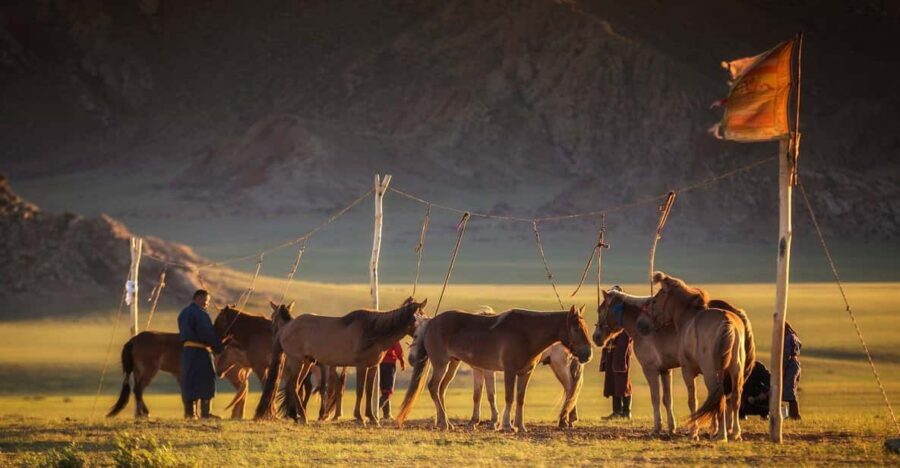
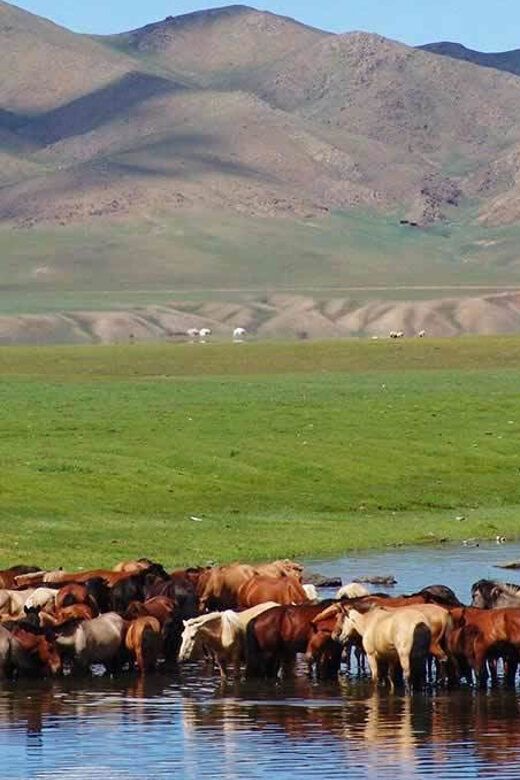
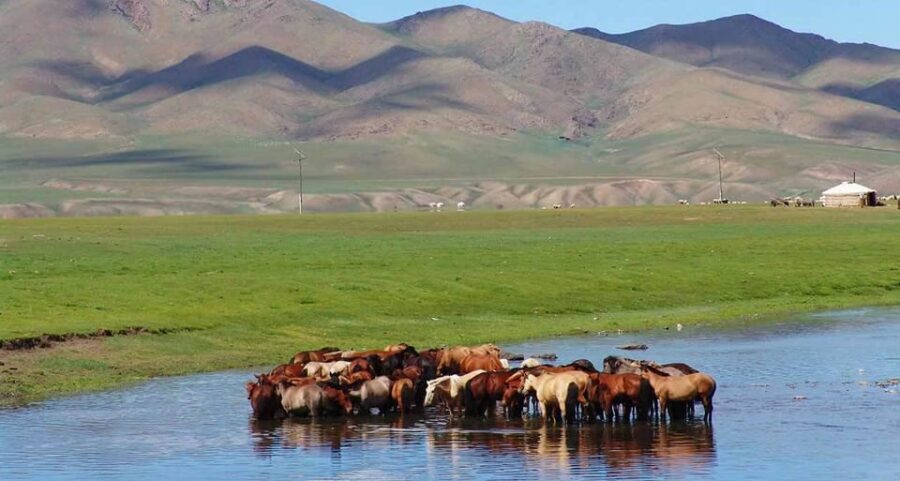
The main target is the wild horses in the valleys of huge mountains, where they can linger in open views or step into the more protective terrain. Horses show differently depending on the weather and the time of day. Sometimes you see a small group grazing steadily. Sometimes you spot a cluster at a distance and then watch them turn into motion.
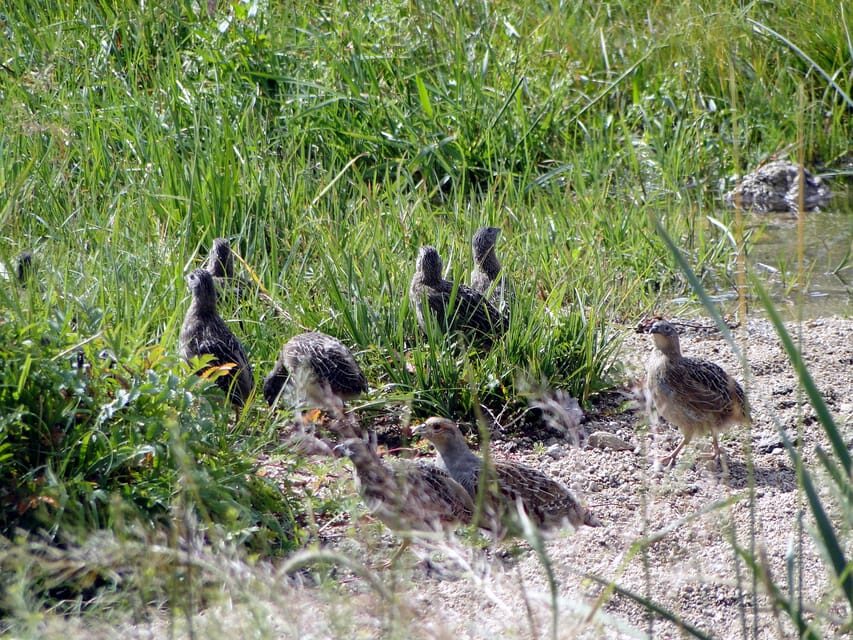
You’ll also have a chance to see other wildlife, especially birds. That may sound secondary, but bird watching becomes easier when the horses aren’t the only thing on your mind. You’ll often find more activity in the quieter moments—when you slow down, scan the edges of the valley, and stop expecting the next sighting to be instant.
If you’re worried about missing them
Here’s the reality: wild horse spotting isn’t guaranteed. In summer heat, the strategy can change. The tour may start earlier than 9:00 AM so you can see horses before they move into cover to avoid the hottest part of the day. One guide approach shared through firsthand experience is leaving around pre-dawn (around 4:00–4:30 AM) to photograph a herd before they retreat.
If you’re booking and you want the best odds, be mentally ready for an early wake-up in warm months.

Exploring Scenic Stops and Hiking Time (Without Overcommitting)
You won’t spend the day in a frantic checklist. Instead, you’ll take time to explore the park’s scenic spots at a pace set by the guide and where the horses appear.
Some days give you more active time than others. One experienced guide style includes time for a proper hike—the kind where you can stretch your legs for an hour or so while the logistics stay in motion. That’s especially relevant if the best viewing area is spread out and you need to reach a better angle.
The takeaway: if you’re hoping for a gentle nature walk, you’ll likely get that. If you want strenuous hiking, this is probably more “walk and scan” than “big trek,” since the schedule still needs to fit a day trip.
Lunch at the Park and a Local Food Stop: Simple, Cultural, and Useful
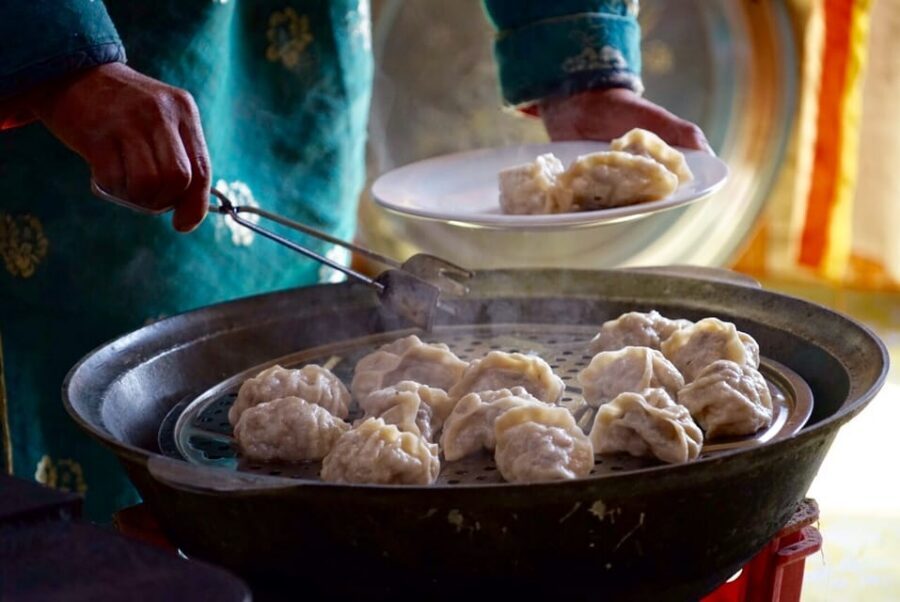
Lunch is included, and it’s local style lunch served around the park area. This is one of those inclusions that genuinely adds value, because it removes one of the hardest parts of rural travel: where to eat without losing precious daylight.
After lunch, you’ll visit a local small food place. The point isn’t fancy dining. The value is the contact: you’ll get a look at day-to-day Mongolian food habits and traditions in a setting that feels local, not staged for tourists.
This is also one reason the tour works well for first-time visitors to Mongolia. You get animal time plus cultural time, without needing to plan a separate meal stop on your own.
Timing Reality Check: How the Day Stays Around 6 Hours
The listed duration is 6 hours, and that’s the strongest reason to book this if you’re short on time. Hotel pickup, drive time, park exploration, lunch, and return transfers are designed to fit into a single workday window.
Still, watch the details. Conditions can affect the timing, and in summer you may shift earlier to improve your wild-horse odds. That can also affect your return time back to the city. If you’ve got a strict dinner plan or another appointment right after, I’d build in some buffer.
Also, be aware that short day trips can feel tight when something changes midstream. In real life, an extra stop for food or a delay in coordination can eat into the park time. The good news: if you’re flexible and focused on the experience, the overall structure usually lands well—especially because the format includes the big logistics like transfers and entrance fees.
English-Speaking Guides and Storytelling: Getting More From the Same Views
A guide can turn “I saw horses” into “I understood what I was seeing.” In Mongolian countryside travel, that’s often the difference between a quick photo and a memorable day.
One guide name that shows up in experience is Bachi (also spelled Bashi). In practice, this kind of guide brings two things:
- clear English explanations (so you know what’s happening in the park)
- storytelling that makes nomadic culture and the park conservation effort feel connected, not abstract
This matters because Hustai NP isn’t just a scenic stop. It’s a landscape shaped by conservation choices and the ongoing balance between wildlife and habitat. If your guide can explain the why, your photos and your memories feel more grounded.
What $195 Buys: Value, Not Just a Sticker Price
At $195 per person, you’re paying for a small package of convenience plus access. Here’s what that cost covers:
- local English-speaking guide
- entrance fees
- local style lunch
- hotel transfers
- transportation from Ulaanbaatar to the park and back
So the question isn’t just Is it expensive. It’s: what would it cost you to replicate it on your own? In many cases, you’d have to pay for transport, pay entrance separately, and still figure out where to eat and how to time the visit. This tour bundles those pieces.
Also, the time efficiency matters. A one-day outing with hotel pickup can be the difference between seeing Hustai NP and not seeing it at all during a short Ulaanbaatar stay. For a lot of visitors, that makes the price feel more reasonable than it first appears.
The only “value risk” to keep in mind: if you’re unlucky with timing or if the day runs long due to extra stops, you may feel like park time shrank. That’s not guaranteed. But it’s smart to hold expectations that match a 6-hour format: you’re getting a focused glimpse, not a full day safari.
Weather, Clothing, and Small Comforts That Matter
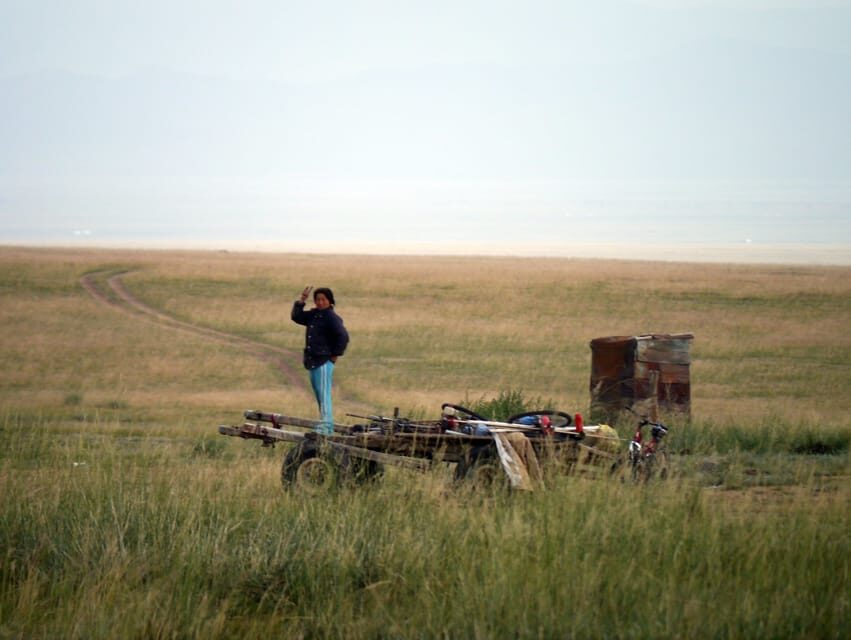
This tour operates in all weather conditions, so don’t treat Mongolia like a fair-weather vacation. Dress for outdoor walking and waiting for sightings.
You’ll also want layers. One practical tip: bring an extra warm sweater for when it cools off later in the day. Even if the morning feels fine, mountain air and changing light can drop comfort fast.
If you’re going on an early departure in summer (pre-dawn), layers become even more important. Cold can arrive before sunrise even when daytime feels warm.
Who This Day Trip Fits Best (And Who Might Want Another Plan)
This is a great fit if you want:
- a closest-wilderness feel from Ulaanbaatar without planning an overnight trip
- a wild-horse focus that still includes culture and lunch
- a guide-led experience with English explanations
It may be less ideal if:
- you need full mobility access. The tour is not suitable for people with mobility impairments.
- you get stressed by changes in timing. If horses are likely to be harder to spot due to heat, earlier starts can happen.
If you’re traveling solo, you can still enjoy it—because your guide is there to help you interpret what you see. Just make sure you communicate clearly about pickup timing so the day doesn’t start off with unnecessary confusion.
Potential Hiccups to Watch For (So Your Day Stays Smooth)
Nothing in Mongolia is immune to chaos—weather, traffic, and schedule changes are real. The best move is simple: build trust in the process, but stay alert.
From past experiences shared with operators, a few issues can pop up:
- Pickup communication can be inconsistent if you message the night before and don’t get a response. If your pickup email lands in spam, check it. If you don’t hear back, contact the local partner quickly.
- Sometimes an unplanned food stop can steal time. You don’t need to lose the whole day over this—just keep your priorities clear and your expectations realistic for a 6-hour format.
- Driving styles can vary. If you’re sensitive to bumpy roads, plan for it with comfort in mind.
I’m not trying to scare you. I’m trying to help you set up for success. A little readiness prevents most frustration.
Should You Book This Hustai Day Trip?
I’d book it if Hustai National Park and Mongolia’s wild horses are on your must-see list and you want a tight, guided day with lunch and hotel transfers handled. The price makes sense for what’s included, and the short drive means you actually get park time.
I’d hesitate only if you’re the type who needs strict start times in summer and has no flexibility at all. Because when heat matters, schedules can shift earlier, and that early wake-up is part of the hunting for the best horse views.
If you book, do this:
- pack warm layers and expect outdoor time
- be ready for an early departure in hot seasons
- keep your plans flexible for the return
If your goal is wild horses without logistics headaches, this is one of the most practical choices you can make from Ulaanbaatar.