One trip can cover the Mongol heartland fast. You’ll see Khar-khorum ruins, meet Przewalski’s horses, and spend nights in Mongolian ger camps with one upgraded luxury camp night. I especially like the mix of big sights and hands-on moments—horse and camel riding, a meditation temple hike, and a real evening with a nomad family. The main thing to consider is that this is not a sit-and-stare tour: you’ll hike, ride, and do long drives between regions.
You’re also not stuck doing it alone. This is a private tour with an English-speaking guide and private transportation, so the days feel more personal than a big bus loop, and you can ask questions on the move. The only possible drawback I’d flag is practical comfort: WiFi isn’t provided on board, and one night is in a luxury camp rather than a full hotel-style setup—so plan for “out in Mongolia” living at least most nights.
In This Review
- Key Highlights You’ll Feel in Your Days
- Why Central Mongolia Feels More Real Than a Quick City Stop
- Ulaanbaatar First: Museum, Squares, and Gandan Monastery
- Chinggis Khan Statue Complex + Terelj National Park’s Turtle Rock
- Hustai National Park: The Takhi Moment and the Ungut Monuments
- Ugii Lake Day: Boat Time, Horse Riding, and Turkic Artifacts
- Kharkhorin (Khar-khorum) + Erdene Zuu: Mongol Capital on the Ground
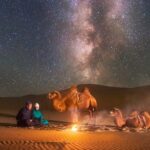
- Elsen Tasarkhai + Nomad Family Time: Camels, Campfire Cooking, and Real Life
- Sleeping in Ger Camps (Plus One Luxury Camp Night) Without Losing the Feel
- Meals and How They Help You Keep Up
- Price and Value: What You’re Really Buying for $1,503
- Who This Tour Fits Best (and Who Might Skip It)
- Should You Book This 7-Day Central Mongolia Tour?
- FAQ
- What’s included in the tour price?
- Do you offer pickup from the airport or train station?
- Where does the tour start, and what time?
- How many nights will I spend in ger camps?
- Is this tour private or shared with strangers?
- Is WiFi available during the tour?
Key Highlights You’ll Feel in Your Days
- Takhi (Przewalski’s horses) in Hustai National Park: one of the few places where these wild horses still survive.
- Terelj National Park with Turtle Rock and horseback riding: classic formations plus active time outside.
- Aryabal Meditation Temple hike: a restored temple with a long, complicated past (built 1810, damaged during 1938 purges, restored in 2004).
- Kharkhorin + Erdene Zuu: Mongol capital ruins next to one of Mongolia’s oldest monasteries.
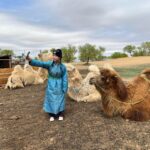
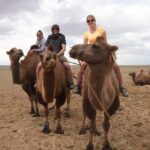
- Elsen Tasarkhai nomad experience: 2-humped camel riding and learning how a traditional Mongolian barbecue is cooked.
- Ger camps for 4 nights plus 1 luxury camp night: a clear “local” feel, with one comfort upgrade.
Why Central Mongolia Feels More Real Than a Quick City Stop
This 7-day route is built around a simple idea: Mongolia becomes easier to understand when you connect three worlds. City life in Ulaanbaatar gives you the baseline. Then the countryside does the heavy lifting—temples, wild horses, and nomad routines. By the time you reach Kharkhorin and Erdene Zuu, the history feels less like a textbook and more like something you can walk through.
I also like that the trip doesn’t treat animals like a roadside photo op. Seeing Takhi in Hustai National Park ties your day to conservation. And in Terelj and at Ugii Lake, the horseback riding turns nature time into something you do, not just watch.
The vibe here is “active travel with comfort.” You move by air-conditioned vehicle, but you still get out for hikes and rides. If you want zero exertion and zero variation, this may not match your style.
You can also read our reviews of more city tours in Ulaanbaatar
Ulaanbaatar First: Museum, Squares, and Gandan Monastery
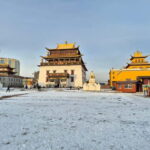
You start in Ulaanbaatar with pickup and escort to your hotel after arrival. The city part is practical and classic: you’ll cover Sukhbaatar Square, the National Museum of Mongolia, and Gandan Monastery.
Why this matters: if you come in cold, the museum and major landmarks help you read what you’ll see later. Central Mongolia isn’t just scenic—it’s religious and historical too, so a first-day orientation pays off.
Tip for timing: keep your first evening easy. The tour starts with an 8-hour city block, then the next day shifts into full driving and national-park time.
Chinggis Khan Statue Complex + Terelj National Park’s Turtle Rock
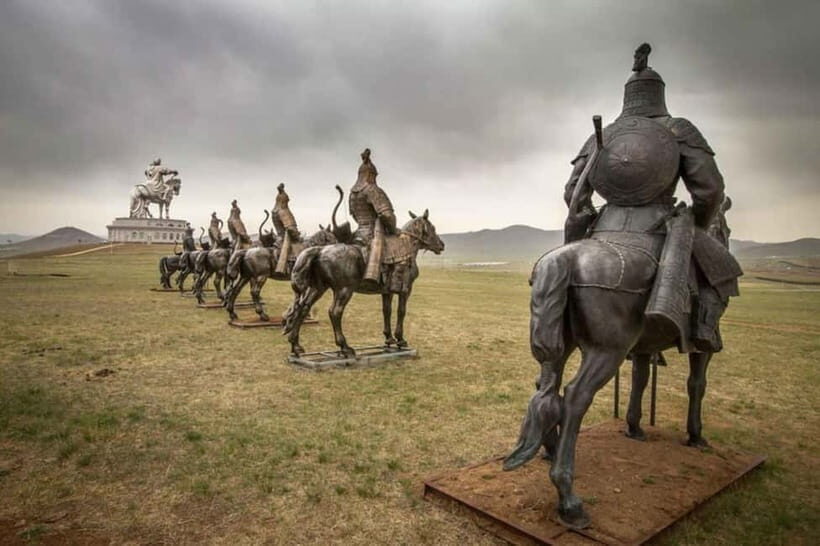
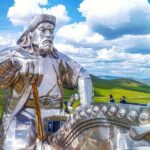
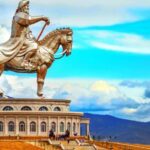
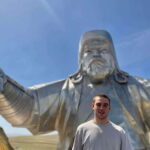
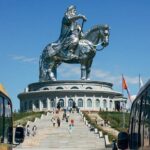
Day 2 has a big, almost cinematic opener: the Chinggis Khaan Statue Complex, the huge 40-meter equestrian statue on the Tuul River. It’s pointed east toward his birthplace. That directional detail is the kind of thing you notice more when you’re not rushing.
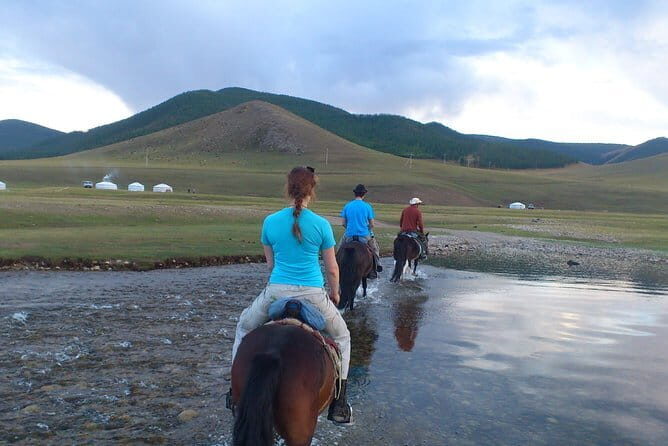
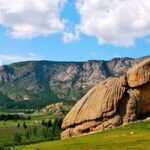
Then you head into Gorkhi-Terelj National Park, where the scenery does the talking. You’ll see Turtle Rock and other distinctive rock formations, and you’ll get horseback riding time. Horse riding here is part of how locals move through these spaces, not just a novelty for tourists.
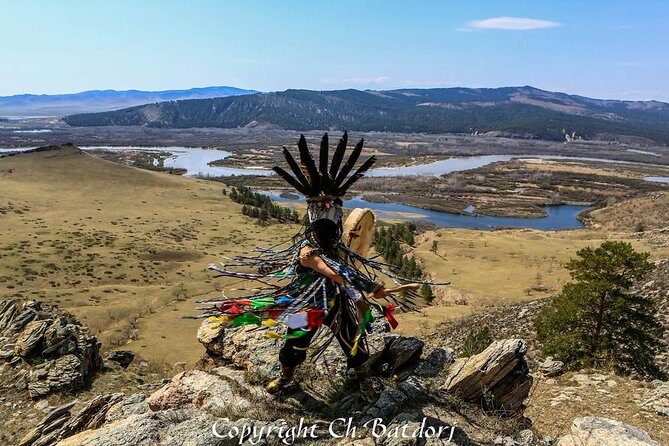
Finally, you hike up to Aryabal Meditation Temple. This is built in 1810, destroyed during the religious purge of 1938, and restored at the beginning of 2004. That history matters: the temple isn’t only a viewpoint—it’s a reminder that Buddhism in Mongolia has survived disruption and returned in modern times.
Potential drawback: the day stacks three major stops—statue complex, Terelj walking/horse time, then an Aryabal hike. If you’re the type who gets tired after one long outing, you’ll want to pace yourself with water and breaks.
Hustai National Park: The Takhi Moment and the Ungut Monuments
On Day 3, you drive to Hustai National Park on the west side of Ulaanbaatar. This is the day you’ve been building toward. You’ll look for Przewalski horses, also known as Takhi—and these are the only wild horses that survived into modern times.
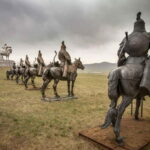
This is also where the tour adds depth beyond animals. Hustai includes Ungut monuments, known for man-like stone figures, sepultures, and rectangular tombs. You’re not just in an open landscape; you’re in a place layered with older human marks too.
For me, the best way to enjoy this day is to treat it like wildlife viewing with respect. You don’t need to race. Take your time watching movement and behavior, because that’s where the moment becomes real.
If you love photography: go slow. Lighting and animal behavior can shift fast, and rushing tends to turn everything into blur.
Ugii Lake Day: Boat Time, Horse Riding, and Turkic Artifacts
Day 4 starts at Ugii Lake. You have options here: a boat tour and horse riding. It’s a nice contrast to Hustai—less “wild horse focus,” more water-and-meadow pace.
On the way you’ll stop at the Khushuu Tsaidam Road area, including the Khushuu Tsaidam museum, where artifacts collected from nearby ruins of a Turkic state are displayed. That museum stop matters because it connects Mongolia’s Mongol-era stories with earlier cultures you might not otherwise consider.
A practical note: lake days can be surprisingly changeable in comfort, even when the itinerary keeps it simple. Bring layers you can adjust, and don’t overpack bulky items you won’t use.
Kharkhorin (Khar-khorum) + Erdene Zuu: Mongol Capital on the Ground
Day 5 is where the trip turns from “great nature” into “you are standing in the Mongol Empire’s past.” Kharkhorin was the capital of the Great Mongol Empire, dating back to the 13th century. Today, you’ll visit the ruins—often described as hiding Chinggis Khan’s secrets beneath the name tied to dark soil.
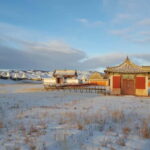
Right after that, you move to Erdene Zuu, the oldest monastery in Mongolia. You’ll see the Mongol architects’ work close to the ruins. This pairing is smart: ruins without context can feel like “stones.” A nearby working monastery adds meaning and makes the site easier to understand.
If you’re short on attention span for ruins, this day still works because the monastery gives you a second anchor: architecture, religion, and place in daily life.
What to watch for: comfort shoes. You’ll be moving around historic sites, and surfaces can vary.
Elsen Tasarkhai + Nomad Family Time: Camels, Campfire Cooking, and Real Life
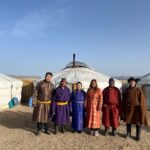
Day 6 is the most “you’re actually in Mongolia” day. You drive to Elsen Tasarkhai, a semi-desert area, then visit a local nomad family.
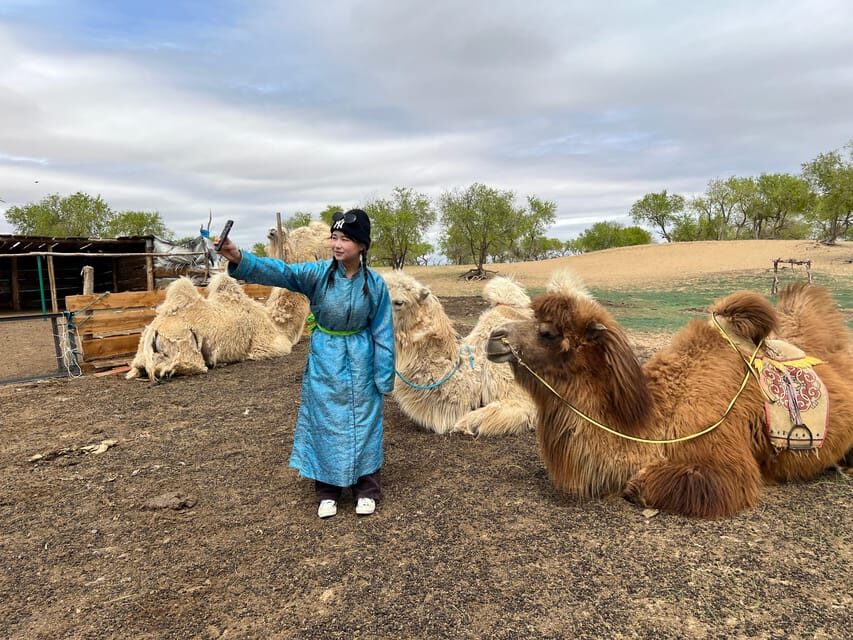
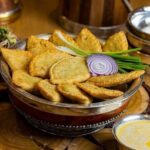
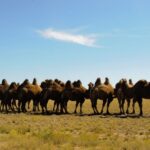
You’ll do 2-humped camel riding for about two hours, then spend the evening with them—cooking a traditional Mongolian barbecue under their instruction.
This is the kind of experience that’s hard to fake. When it’s done well, you come away with habits and small details you can’t get from a museum. Even if you’ve seen similar activities elsewhere, the difference here is that the evening is structured as a family-guided experience rather than a quick photo stop.
Physical reality check: camel riding is not the same as sitting on a beach. It can be bumpy and tiring, so go in thinking of it as part adventure, part work.
Sleeping in Ger Camps (Plus One Luxury Camp Night) Without Losing the Feel
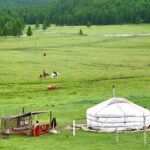
The tour gives you a clear split: 4 nights in well-selected Mongolian ger camps, plus 1 night in a luxury camp. That means you get most nights in the traditional ger setup, but you also get one upgrade that makes the overall comfort story less harsh.
Why this is good value for your money: ger camps usually include basic comforts that let you rest properly after long days, and you’re not spending the entire trip in hotels. At the same time, the single luxury night helps you recover if you prefer more comfort at least once.
Also, you’re traveling with private transportation, so nights feel like part of a continuous journey rather than scattered transfers.
Meals and How They Help You Keep Up
Meals are mostly included: lunch is listed for all 7 days, with breakfast 5 times and dinner 5 times. That mix matters because it prevents the “every day hunt” problem that can ruin pacing when you’re in remote areas.
Plan to stay flexible on dinner counts. You’ll want to stay hydrated through the ride days, especially when activities stack up early.
And since WiFi isn’t provided on board, treat this as an unplug trip. It sounds obvious, but it’s one of those things that changes how you remember the days.
Price and Value: What You’re Really Buying for $1,503
At $1,503 per person, this isn’t the cheapest way to do Mongolia. But it’s also not just sightseeing. You’re paying for:
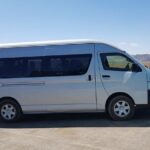
- Private transport by an air-conditioned vehicle
- An English-speaking guide
- Multiple national-park days and key cultural stops
- Horse and camel riding included
- 5 breakfasts, 7 lunches, and 5 dinners as listed
- 4 ger-camp nights + 1 luxury camp night
- All fees and taxes covered in the package price
Two costs to watch that aren’t included: Ulaanbaatar city hotels and travel insurance, plus visa fee and alcohol.
So the real value question for you is whether you want a guided, door-to-door flow that handles logistics for you. If you’d rather plan drives, park access, and camp options yourself, you could spend less. If you want the trip to run on a clear schedule with pickup and drop-off from the airport or railway station, this is a straightforward way to buy time and reduce stress.
One more timing detail: the experience is commonly booked about 87 days in advance on average. If your dates are firm, don’t wait until the last minute.
Who This Tour Fits Best (and Who Might Skip It)
This Central Mongolia plan is a strong match if you want:
- A blend of history + religion + wildlife
- Active nature time (horseback riding, boat tour, temple hike)
- Cultural contact with a nomad family experience
- A private format with an English-speaking guide
It may be less ideal if you:
- Get worn down by back-to-back full days
- Avoid animal riding or hikes
- Need WiFi on the move (it’s not included)
- Expect hotel-style comfort every night
If you’re the middle-of-the-road traveler who likes “see it and do it,” you’ll likely enjoy the balance.
Should You Book This 7-Day Central Mongolia Tour?
I’d book it if you’re aiming for a Mongolia trip that feels connected: Ulaanbaatar to Terelj, then out to Hustai for Takhi, then back through Kharkhorin and onward to a nomad evening in the semi-desert. The itinerary is built around big-name Mongolian experiences, but you’re not only watching—you’re riding horses and camels, hiking to a meditation temple, and cooking barbecue with a local family.
I’d pass or look for an easier version if you hate physical effort, or if the ger-camp style living sounds like a deal-breaker (even with that one luxury camp night).
If you do book, pack for movement, keep your first day in Ulaanbaatar easy, and go into the animal and riding days with an adventure mindset.
FAQ
What’s included in the tour price?
The package includes air-conditioned private transportation, all fees and taxes, an English-speaking guide, horse and camel riding, accommodations (4 nights in Mongolian ger camps plus 1 luxury camp night), and meals listed as 5 breakfasts, 7 lunches, and 5 dinners.
Do you offer pickup from the airport or train station?
Yes. Pickup and drop-off are offered from the airport or railway station.
Where does the tour start, and what time?
The meeting point is Buyant Uhaa Airport in Ulaanbaatar, and the start time is 9:00 am.
How many nights will I spend in ger camps?
You’ll spend 4 nights in well-selected Mongolian ger camps, plus 1 night in a luxury camp.
Is this tour private or shared with strangers?
It’s private. Only your group will participate.
Is WiFi available during the tour?
WiFi on board is not included.