REVIEW · ULAANBAATAR
7 days Central Mongolia and Great Gobi
Book on Viator →Operated by Danista Nomads Tour · Bookable on Viator
Mongolia hits different when it’s private. This 7-day Central Mongolia and Great Gobi route is built around big scenery and small, meaningful stops, with family yurts and a private group pace. You’ll also get a guide who can work in English and Japanese, which makes the long days feel easier.
I especially like two things: the way the trip mixes desert highlights with cultural sites, and the practical comfort of having most meals handled for you. You’re not just sightseeing from a bus seat; you’ll get to step into places like Baga Gazriin Chuluu and sleep in ger-style accommodations along the route.
One consideration: the schedule is outdoors-heavy and weather-dependent. You’ll want to plan for layers and for long driving days that come with remote roads and big distances.
In This Review
- Key things to know before you go
- Why this Gobi-and-central route feels worth your time
- Price and value: what $1,500 covers (and why that’s not just a number)
- Day 1: Baga Gazriin Chuluu caves and petro glyphs, then Chinggis Khan museum views
- Day 1 drawback to consider
- Day 2: Tsagaan Suvarga’s White Stupa cliffs and a natural timeline
- Day 2 tip
- Day 3: Ongi Monastery ruins near Saikhan Ovoo, where the past still breathes
- Day 3 drawback to consider
- Day 4: Kharkhorin (Kharakorum) and the Orkhon river world
- Day 4 tip
- Day 5: Orkhon Waterfall—ten meters wide, twenty meters high—and a breather day
- Day 5 drawback to consider
- Days 6–7: Elsen Tasarkhai dunes, camel trekking, and a monastery stop in Hugnu Khan National Park
- About horse riding and wildlife moments
- Days 6–7 tip
- Where you sleep: family yurts, tourist camps, and ger-style lodging
- Meals: most are included, but keep snack money handy
- Transportation and pacing: start early, expect distance
- The guide factor: why fluent communication changes remote travel
- Who this tour is best for
- Should you book this private Central Mongolia and Great Gobi week?
- FAQ
- FAQ
- How long is the 7-day Central Mongolia and Great Gobi tour?
- Where does the tour start and end?
- Is this tour private?
- What meals are included?
- Do you ride a camel on this trip?
- Are entrance fees included?
- What happens if the weather is bad or you need to cancel?
Key things to know before you go
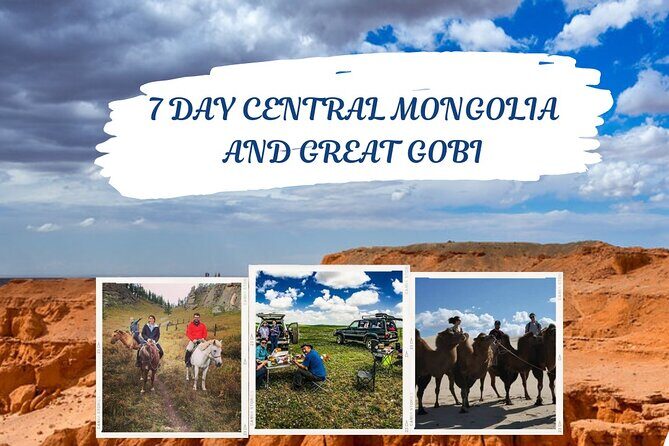
- Baga Gazriin Chuluu’s caves, burial mounds, rock images, and petro glyphs (plus a ruin of Choir monastery)
- Tsagaan Suvarga’s White Stupa cliff, locally named after natural erosion and linked to a 10 million-year story
- Ongi Monastery ruins near Saikhan Ovoo, where an active small monastery atmosphere still lingers
- Orkhon Waterfall close to the Orkhon/Ulaan Tsutgalan area, sized at about 10 meters wide and 20 meters high
- Elsen Tasarkhai sand dunes with camel trekking, and a chance for horse riding during the week
- An English- and Japanese-speaking guide, with meals that can include restaurant stops, not just camp food
Why this Gobi-and-central route feels worth your time
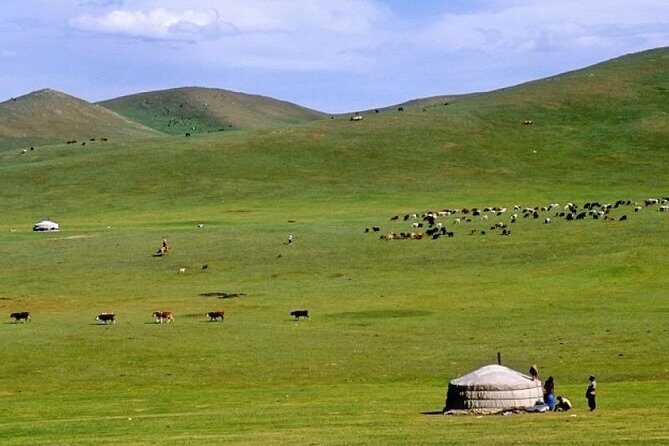
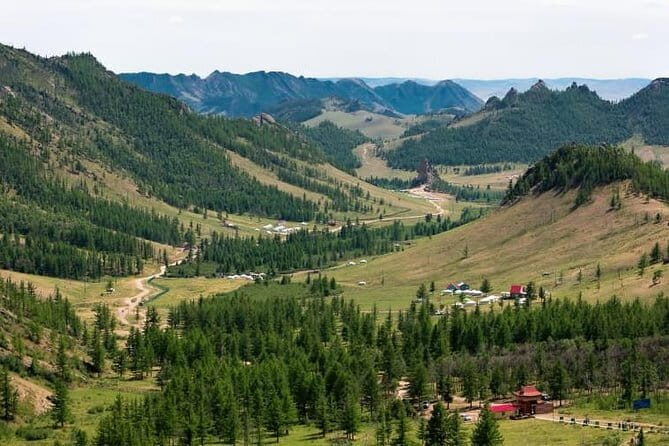
This is the kind of Mongolia trip where you learn the rhythm fast: mornings are for getting moving, afternoons are for wide-open views, and evenings are for settling in somewhere simple and real. The route uses Ulaanbaatar as your base, then turns outward into central Mongolia and the Great Gobi, so you’re not repeating the same kind of landscape day after day.
The private format matters more than you might think. When you’re traveling through areas like Tsagaan Suvarga and the Ongi Monastery ruins, timing and pacing can make a huge difference. You can spend a little more time where the scenery hits hardest, and you can skip what feels repetitive for your group.
The second big “why”: you get both nature and culture. One day can include cliff formations, burial mounds, and rock art themes; another day can center on monasteries, older Mongol capital sites, and a waterfall that feels like a breather in the middle of the desert-style scenery.
A few more Ulaanbaatar tours and experiences worth a look
Price and value: what $1,500 covers (and why that’s not just a number)
At $1,500 per person for about 7 days, you’re paying for more than driving and photos. This price point includes round-trip transfers from Ulaanbaatar, and the trip covers accommodations plus most meals.
Here’s the practical value angle: if you try to plan a remote Gobi loop on your own, you quickly end up paying for the same things this tour bundles—transport between far-apart sites, lodging in the places that actually work for the route, and day-by-day meals that keep you fueled. Even the entrance costs aren’t a total surprise: some stops include admission tickets (like Baga Gazriin Chuluu and Ongi Monastery ruins), while Tsagaan Suvarga is listed as free in the planned schedule.
What’s not covered is also useful to know. You’ll still want to budget for snacks/fruit, alcoholic drinks, optional activities, and travel insurance. And you should plan for tips, since service tip isn’t included.
If you want a one-week Mongolia experience that doesn’t feel like you’re doing logistics math every evening, this is the kind of trip that often justifies its price.
Day 1: Baga Gazriin Chuluu caves and petro glyphs, then Chinggis Khan museum views
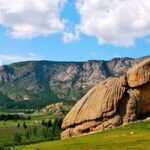
You start with Baga Gazriin Chuluu, a stop built for people who like more than one type of “wow.” This area can include Bolort Cave, an eye treatment spa, rock images, petro glyphs, burial mounds, and the ruins of the Choir monastery established by Zaya Damdin. That’s a lot of layers for a single day, so give yourself permission to move slowly here.
The main benefit of starting this way is that you get grounded in how Mongolian history and geology show up together. Instead of treating “nature” and “culture” as separate boxes, the region lets them blend. You’re looking at rock art themes and ancient-looking features right alongside caves and mounds—things you can’t fully appreciate from a distance.
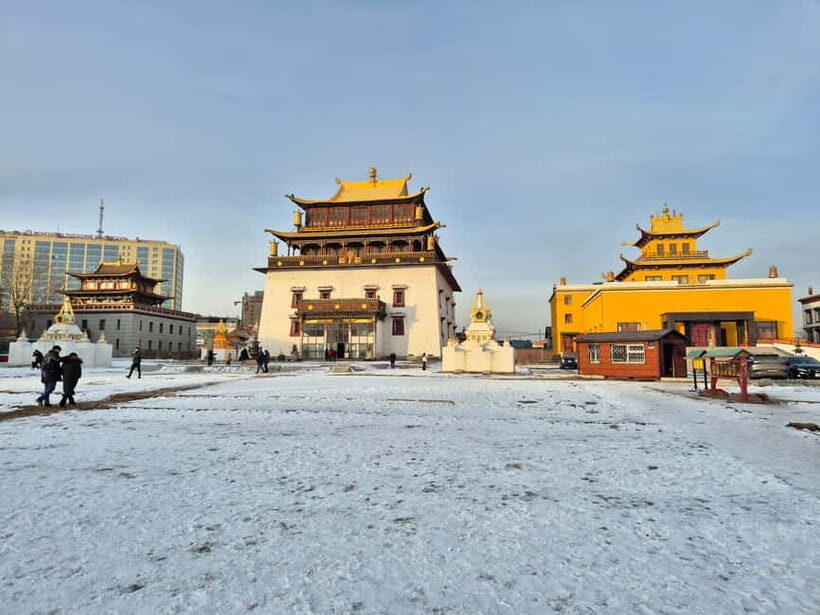
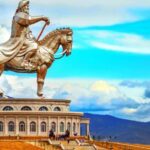
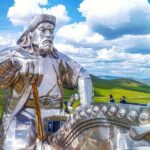
After that, you’ll visit the Chinggis Khaan National Museum. It’s known for one of Mongolia’s biggest Chinggis Khan statue experiences in this setting, and it helps balance the day. If you’re curious about the modern story Mongolia tells about its past, this stop gives you that context.
Your day ends with some time to take in an amazing view of Ulaanbaatar from the area listed in the schedule. It’s a good shift from the open steppe feel of the morning to the city’s contrast.
Day 1 drawback to consider
This is a dense first day. If you’re prone to rushing, slow down on the cave/rock art part so you don’t end the day thinking you only half-seen it.
Day 2: Tsagaan Suvarga’s White Stupa cliffs and a natural timeline
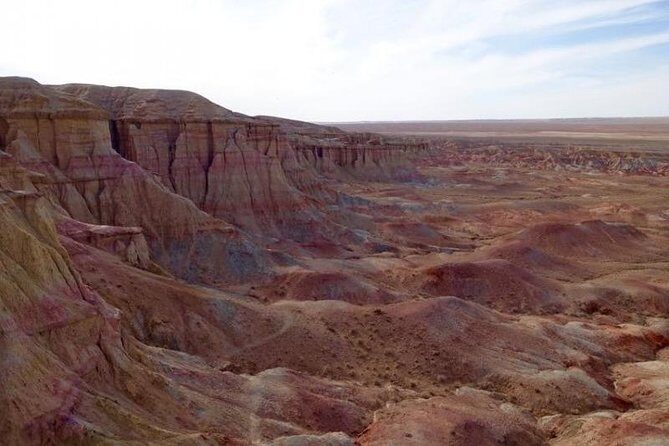
Day 2 moves to Tsagaan Suvarga (White Stupa)—a cliff shaped by natural erosion. Locals name it after the way it looks, and it’s also described with a long timeline: about 10 million years. What matters for you is not the number itself, but the feeling that you’re standing in a place where time is written into rock.
This stop is also relatively gentle in terms of pressure. The planned schedule shows admission as free for this day, which can help you keep your spending predictable. You can focus on observation: the layered look of the cliff, the textures, and how the formation changes depending on the light.


Day 2 tip
Bring something warm even if it’s not “cold” where you start. Cliff areas often feel cooler once the day stretches out and winds pick up.
Day 3: Ongi Monastery ruins near Saikhan Ovoo, where the past still breathes
Day 3 centers on Ongi Monastery (Ongiin khiid) ruins near Saikhan Ovoo. The schedule describes it as a small monastery area that is still active in some form, not just a dead ruin. That active feel changes how you experience the site.
This is where the trip’s “culture” side becomes more than a checklist. You’re moving through a landscape tied to monastic life, and you get a sense of continuity—something that feels especially powerful in remote Mongolia, where many historical sites are far from the kind of constant foot traffic you see elsewhere.
The route notes that your drive includes lunch around Bayanzag before heading toward the monastery area. Bayanzag is often associated with the broader Gobi storytelling tradition, so it works as a thematic bridge: you’re heading from one kind of Gobi wonder into a different kind of wonder.
Day 3 drawback to consider
If you’re expecting a polished museum-style visit, you might find this day feels more “site and surroundings” than “guided indoor experience.” That’s not bad—it’s just a different pace.
Day 4: Kharkhorin (Kharakorum) and the Orkhon river world
Day 4 brings you to Kharkhorin (Kharakorum)—the former capital of the Great Mongol Empire in the 13th century. The schedule places it about 360 km southwest of Ulaanbaatar on the right bank of the Orkhon River. Even before you start walking, that location detail matters: you’re not just in the steppe. You’re in the steppe’s historical heartland.
This stop can feel like a reset after desert-focused days. The Mongol Empire story is huge, but Kharkhorin is also practical: it gives you a sense of how power, travel routes, and river geography shaped where people built their worlds.
Admission is listed as free in the schedule for this day, which again keeps your costs steadier.
Day 4 tip
If you like photos, this is a great day to take more than one. The Orkhon area can change character with light, and you’ll want to catch that shift.
Day 5: Orkhon Waterfall—ten meters wide, twenty meters high—and a breather day
Day 5 is built around Orkhon Waterfall, described as close to the Orkhon and Ulaan Tsutgalan river area. The planned dimensions help you set expectations: about 10 meters wide and 20 meters high.
It’s a welcome change of tempo. Water can feel almost unreal in a week that otherwise focuses on dry horizons and desert geology. If you’ve been thinking Mongolia is only dust and distance, this kind of stop corrects that idea fast.
This day also connects to other natural stops in the overall route—specifically Ugii Lake and Hustai National Park are part of the broader plan. Even if the exact ordering depends on conditions, the intention is clear: you don’t just want rocks and monuments. You want animals and water edges, too.
Day 5 drawback to consider
Because it’s a nature-based stop, conditions matter. If you’re going in colder months or high-wind seasons, pack for hands and ears, not just your core temperature.
Days 6–7: Elsen Tasarkhai dunes, camel trekking, and a monastery stop in Hugnu Khan National Park
The late stretch is where the trip’s “desert adventure” identity becomes real.
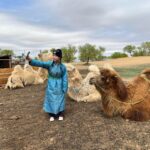
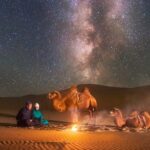
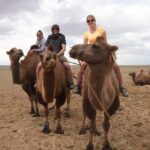
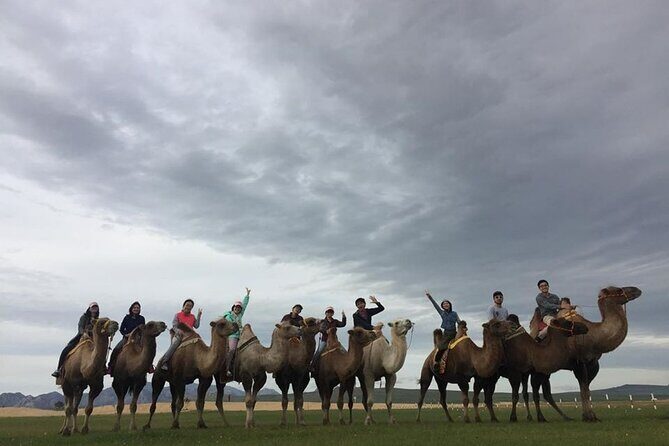
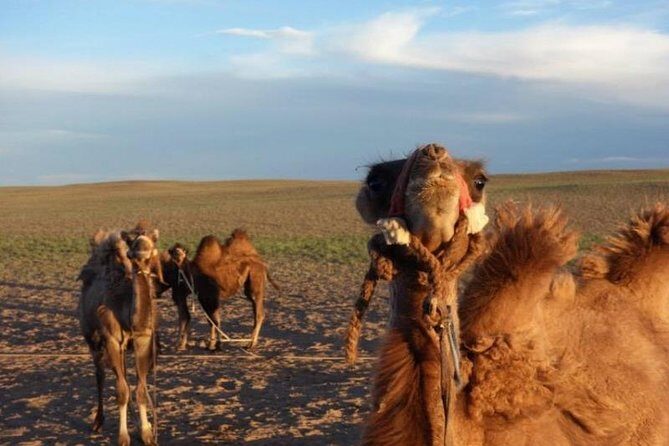
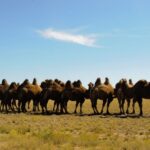
Day 6 focuses on Elsen Tasarkhai sand dune—described as a small dune surrounded by a mountain area and famous with travelers for the classic sand dune experience. The schedule includes camel riding here, which is one of those Mongolia activities you don’t want to treat like an optional add-on. It changes your sense of scale. A dune isn’t just something you look at; moving across it makes the terrain physical.
Day 7 starts with morning time staying with a local family, then you head into camel trekking again for the sand dune experience. This second day of dune time can be a big win if you want more than one look at the dunes from different angles and light.
There’s also a planned cultural component on Day 7: a monastery visit in Hugnu Khan National Park. That’s how you keep the week balanced. You’re not just chasing animal-activity adrenaline; you’re also stepping into a spiritual site setting inside a protected landscape area.
About horse riding and wildlife moments
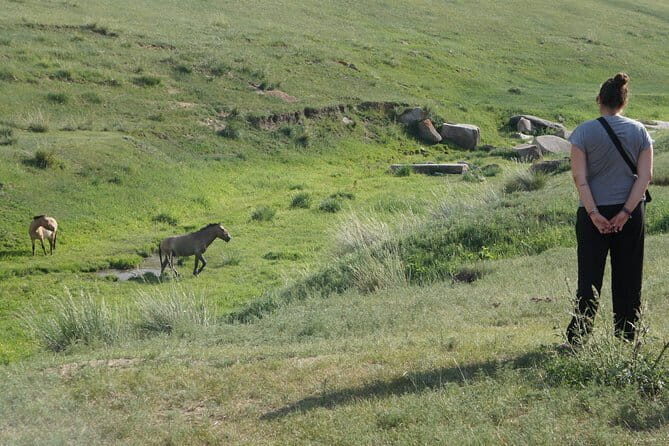
The overall experience description plus guide-led activity results point to additional on-the-ground moments like horse riding and a possible eagle sighting. I’d treat those as “look out for opportunities” rather than guaranteed extras, since conditions can affect what’s available.
Days 6–7 tip
Don’t underestimate the physical side. Even “small” sand dunes can be exhausting underfoot. If you’re game, you’ll probably enjoy it more. If you hate sand in your shoes, you’ll still enjoy it—but you’ll also regret not packing better footwear.
Where you sleep: family yurts, tourist camps, and ger-style lodging
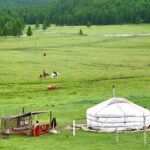
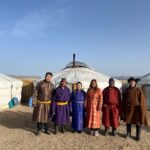
One of the most memorable parts of this kind of Mongolia trip is where you sleep. In this route, you’ll stay in family yurts, tourist camps, or local ger hostels along the way.
That blend matters. Family yurts tend to feel personal and lived-in. Tourist camps can feel simpler and more predictable. Ger hostels usually land in the middle—still Mongolian in style, but often a little more organized.
A key point from the experience feedback: you should be ready for tent or yurt sleeping. Dress for temperature swings. It’s not only about being warm at bedtime; it’s about being comfortable while waiting for the day to settle.
Meals: most are included, but keep snack money handy
Your schedule shows breakfast included on 6 days, lunch on 7 days, and dinner on 5 days. That usually translates to you spending less time figuring out where to eat and more time actually enjoying the day.
Some meals may be set up at restaurants as well, which is helpful if you want a break from camp-style dining. The most important practical takeaway: meals are planned, but snacks, fruit, and personal extras aren’t fully covered.
So pack a few small “comfort items” for yourself. Not because you’ll be starving, but because long drives can make snack timing tricky when the stops are spaced out.
Transportation and pacing: start early, expect distance
You meet at Danista Nomads (Orkhon Street 1-37, BGD – 16 khoroo, Ulaanbaatar 16040) with a start time of 8:30am, and the tour ends back at the meeting point.
The private nature helps with pacing. Your guide can adjust how long you spend at viewpoints like Tsagaan Suvarga cliffs or while photographing rock art and rock features at Baga Gazriin Chuluu. Still, the general tempo stays the same: you’re traveling across long distances between a set of major highlights.
If you like active days, you’ll probably enjoy the movement. If you’re the type who wants to stay put and browse slowly, this may feel like a “go-go” week—even though the stops are worthwhile.
The guide factor: why fluent communication changes remote travel
A private Mongolia week can either feel smooth or frustrating depending on the guide. Here, you get a guide fluent in English and Japanese, which is a big deal for a region where details matter and where you might otherwise miss the meaning behind what you’re seeing.
Even small things—what to look for on a cliff, why a monastery ruin matters, what a rock feature is likely tied to—can change your whole experience. When you can ask questions and get clear answers, you stop feeling like you’re just passing through.
You’ll also appreciate the way the guide supports activity moments like camel riding and the sand dune trekking. That’s not only logistics. It’s safety and confidence too.
Who this tour is best for
This is a great fit if:
- You want a private Mongolia trip with a clear 7-day structure
- You like nature and culture together—cliffs, waterfalls, monasteries, and an empire-era capital site
- You’re happy sleeping in yurt/camp/ger-style lodging and keeping expectations grounded
- You want real activity time: camel trekking and a chance for horse riding
It’s less ideal if:
- You dislike long driving days and prefer a slower, city-based itinerary
- You want only indoor attractions or only fully developed facilities
- You’re not comfortable with outdoor weather swings and want “comfortable by default”
Should you book this private Central Mongolia and Great Gobi week?
If you want a single week that covers the Gobi’s major character—cliffs, monastery sites, river history, a real waterfall break, and dune time with camel riding—this is an easy yes.
Book it if you’re excited by the idea of sleeping in yurts and camps, moving through wide terrain, and learning what you’re seeing instead of just collecting photos. The combination of private pacing, most meals included, and a guide who works in both English and Japanese makes it feel like money spent on experience, not just transport.
Hold off if you’re very weather-sensitive or you’re uncomfortable with the physical demands of sand and outdoor sleeping. In that case, you might still love the highlights, but you’ll want to be confident in your own comfort level first.
FAQ
FAQ
How long is the 7-day Central Mongolia and Great Gobi tour?
It lasts about 7 days, starting at 8:30am on the first day.
Where does the tour start and end?
The tour starts at Danista Nomads, Orkhon Street 1-37, BGD – 16 khoroo, Ulaanbaatar 16040, Mongolia. It ends back at the same meeting point.
Is this tour private?
Yes. It’s a private tour/activity, and only your group will participate.
What meals are included?
Breakfast is included for 6 days, lunch for 7 days, and dinner for 5 days. Snacks and fruit are not listed as included.
Do you ride a camel on this trip?
Yes. The schedule includes camel riding and camel trekking connected with the Elsen Tasarkhai sand dunes.
Are entrance fees included?
Some admission tickets are listed as included on certain days, such as Baga Gazariin Chuluu and Orkhon Waterfall. Tsagaan Suvarga is listed as free in the planned schedule. Not every stop is described the same way.
What happens if the weather is bad or you need to cancel?
This experience requires good weather. If it’s canceled due to poor weather, you’ll be offered a different date or a full refund. You can cancel for a full refund if you cancel up to 24 hours in advance of the start time.