REVIEW · ULAANBAATAR
Gobi tour Mongolia 7 Days
Book on Viator →Operated by Eternal Gobi Tour · Bookable on Viator
Gobi cliffs look like alien waves. This 7-day Mongolia tour strings together Tsagaan Suvarga limestone formations, camel time in the dunes, and real-world Gobi living.
I really like how the trip stays organized without feeling stiff. You’re looked after with private transportation plus meals and bottled water, and you still get time to walk, photograph, and take in the area’s scale.
One thing to consider: you’ll spend a lot of the day in the car, and the schedule starts early from Sukhbaatar Square in Ulaanbaatar.
In This Review
- Key Highlights Worth Your Attention
- What This 7-Day Gobi Tour Feels Like (And Why It’s Popular)
- Entering Ulaanbaatar: Monastery, Museum, and Sukhbaatar Square
- Baga Gazriin Chuluu: Granite Formations and a Ruined Temple
- Tsagaan Suvarga: The Limestone Cliffs, Fossils, and a Photo-Friendly Hike
- Yolyn Am (Eagle Valley): Gorges, Ice Formations, and the Gobi Museum Stop
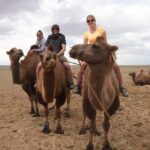
- Khongor Sand Dunes: Camel Riding Plus the Big Climb for Photos
- Bayanzag Saxual Forest: Saxaul Trees, Fossil Stories, and a Desert Museum Moment
- The Long Return Day to Ulaanbaatar
- Price and Value: Is $1,290 Worth It?
- Best Fit: Who This Tour Suits (and Who Might Want Something Different)
- Should You Book This Gobi Tour?
- FAQ
- Where does the tour start and end?
- What time does the tour start?
- How long is the experience?
- How much does it cost?
- Is pickup offered?
- What’s included in the price?
- What’s not included?
- Are admissions included at the sites?
- Can I cancel and get a refund?
- Is the tour weather dependent?
- Are service animals allowed?
Key Highlights Worth Your Attention
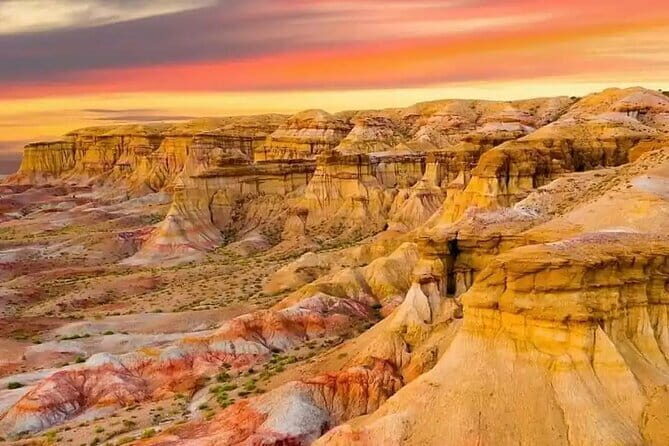
- Tsagaan Suvarga’s colorful limestone and marine fossils along an easy hike
- Yolyn Am (Eagle Valley) with towering gorges and ice formations
- Khongor Sand Dunes camel riding plus dune climbing for photos
- Bayanzag Saxual Forest and the role of saxaul trees in the desert ecosystem
- A cared-for solo feel, including off-season options to sleep with nomadic families
What This 7-Day Gobi Tour Feels Like (And Why It’s Popular)
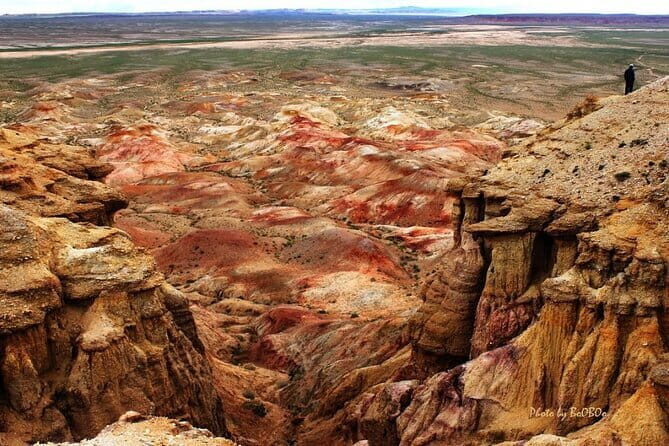
If you want the Gobi’s big impressions—cliffs, canyons, sand dunes, and desert trees—this tour is built to deliver them in one week. It’s not slow travel with long stays in one camp. Instead, you trade a little comfort of staying put for the payoff of seeing multiple “poster locations” back-to-back.
The best part for me is the combination of iconic scenery and practical pacing. You get guided stops for the highlights, but you’re also free enough to take photos, move at your own pace on short walks, and just soak up the silence when the group pauses.
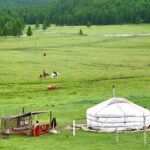
The other draw is how the experience can feel personal even when you’re not traveling with friends. One review called it solo but not alone, and the key detail was that off-season timing didn’t leave anyone stranded. Sleeping arrangements were still handled, including the possibility of staying with nomadic families when camps close.
A few more Ulaanbaatar tours and experiences worth a look
Entering Ulaanbaatar: Monastery, Museum, and Sukhbaatar Square
Most Gobi journeys begin with a city reset, and this one starts in Ulaanbaatar. You’ll visit Gandan Monastery, described as Mongolia’s largest Buddhist monastery. It’s a chance to see how spiritual life and daily rhythm coexist here, before you head into the emptier parts of the country.
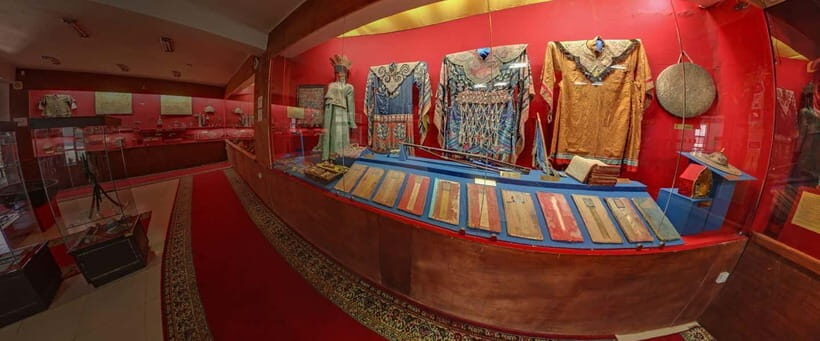
Next you’ll spend time at the Mongolian National Museum. This stop matters because the Gobi isn’t just scenery—it’s part of a long human story. Even when the tour focuses on geology and nature, understanding Mongolia’s broader cultural timeline helps you frame what you’re seeing later on.
Finally, you’ll end the day around Sukhbaatar Square, giving you a quick feel for the city’s center before the long drives begin.
Baga Gazriin Chuluu: Granite Formations and a Ruined Temple
On your way out to the Gobi region, you’ll spend a big chunk of the day driving toward Dundgovi Province and then explore Baga Gazriin Chuluu. The highlight here is the mix of natural shapes and human traces. You’re looking at granite formations and also visiting a ruined temple tucked into the area.
Why I like this stop: it breaks the trip up. After Ulaanbaatar’s museums and monuments, your brain gets a different kind of education—how erosion and time carve the world into strange forms, and how places built by people can disappear into the rocks.
A practical note: you’re coming from a drive, so plan for an easygoing walking pace. This isn’t the day for packing on a fitness goal. Think of it as a stretch, a photo stop, and a chance to look closely at the details you might otherwise miss.
Tsagaan Suvarga: The Limestone Cliffs, Fossils, and a Photo-Friendly Hike
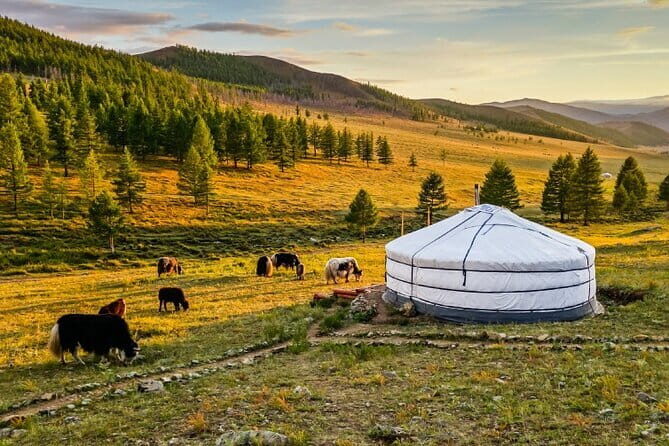
Tsagaan Suvarga is one of the most visited spots in Mongolia, and this tour puts time directly on the cliff formations. You’ll depart from the province area early in the day and then hike along the formations.
What you’re here for is the mix of colors and evidence of ancient oceans. You’ll admire the colorful limestone structures and look for marine fossils. That fossil detail is the kind of thing that makes the Gobi feel bigger than it looks on a postcard. It’s a reminder that these environments changed dramatically over time.
One consideration: hiking along cliffside formations is usually straightforward, but it’s still in open terrain. If you’re sensitive to sun or wind, bring layers you can adjust quickly and wear footwear with decent grip. This is the kind of place where one good pair of shoes improves everything.
Yolyn Am (Eagle Valley): Gorges, Ice Formations, and the Gobi Museum Stop
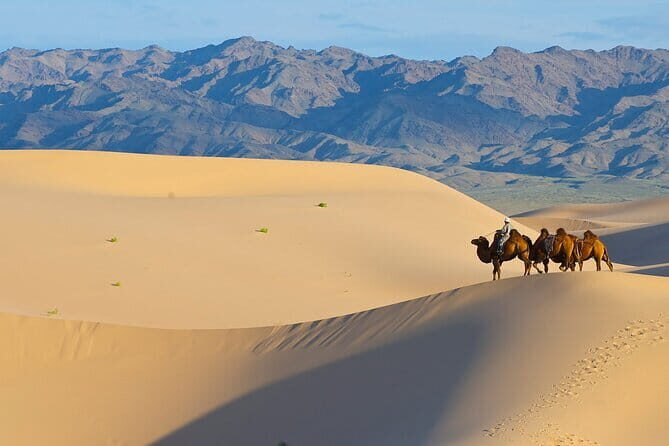
Next comes Yolyn Am, often called Eagle Valley, in Omnogovi Province. You’ll spend the day walking through a valley framed by towering gorges. You’re also set up to see ice formations, which is one of those “season-sensitive” details that can make the visuals especially memorable.
This is also where the tour adds a learning component with a Gobi Museum visit. The focus is on flora—what grows in the desert and how it survives. That pairing helps you connect the names of plants to what you’re later going to see in the saxaul areas.
If you’re choosing what to prioritize on this stop: spend your time looking at the valley walls and the ground-level plant shapes, not just the big view. The museum part is brief, but it gives you context so you’ll recognize what you’re seeing afterward.




Khongor Sand Dunes: Camel Riding Plus the Big Climb for Photos
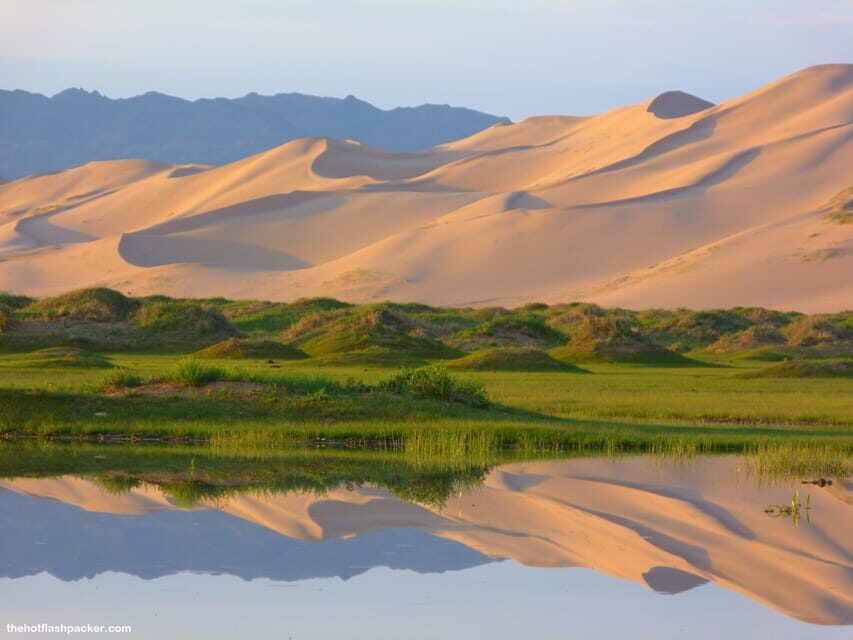
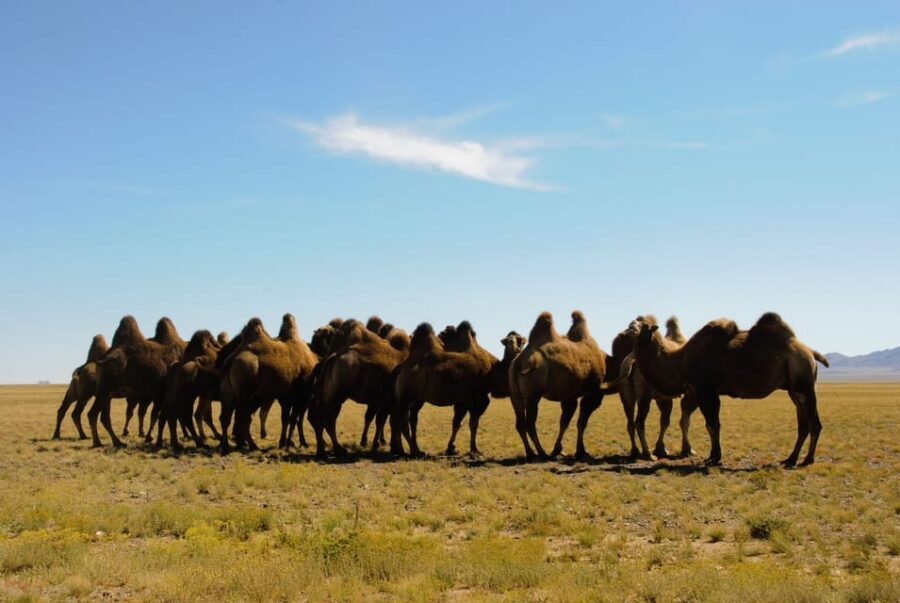
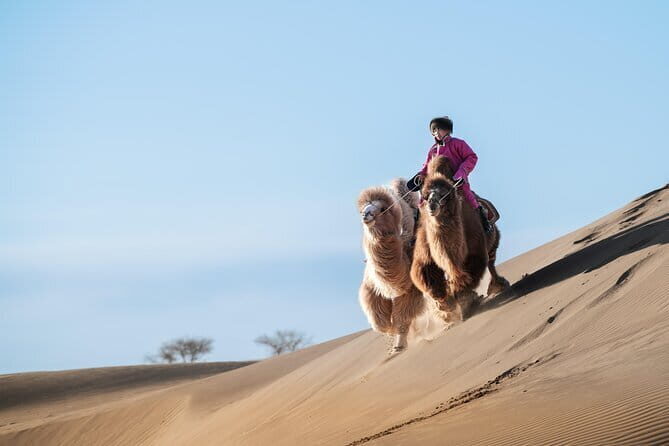
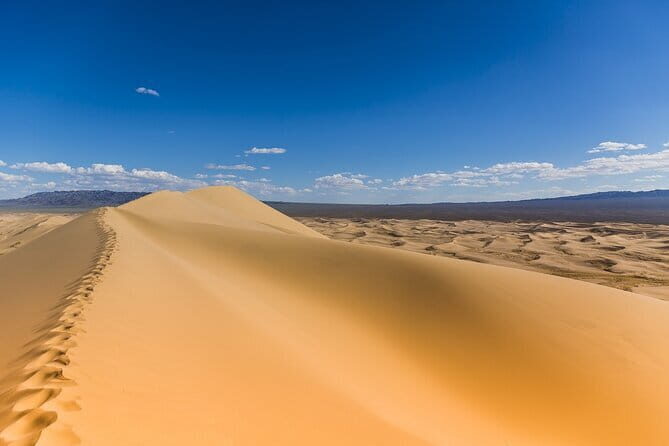
Then the tour shifts gears hard—in the best way. At Khongor Sand Dunes (also spelled Khongor Sand Dunes in the tour info), you’ll walk up the dunes, take pictures, and enjoy camel riding.
This day is included with admission, and the format is simple: get to the dunes, take in the scale, and enjoy the classic Gobi moment of being on camel-back while sand stretches out in every direction. Even if you’ve seen dunes before, Mongolian dunes have a particular look—more raw, more open, and less “themed.”
Here’s the main consideration: sand days are about heat and footing. If it’s sunny, your first half-hour matters because you’ll get adjusted to how quickly you want water and how your pace feels on a slope. Bring sun protection and keep your expectations realistic: slow is smooth, and smooth makes better photos.
Bayanzag Saxual Forest: Saxaul Trees, Fossil Stories, and a Desert Museum Moment

On day six, you’ll head to the Bayanzag Saxual Forest area, also known for its saxaul trees. The tour focuses on short hiking, and it also includes a museum and movie component.
The reason saxaul matters: these desert trees are part of how life works out here. The tour info even gives you the word connection—Bayanzag meaning lot of saxaul trees—so you’re not just seeing plants. You’re learning why they’re there.
Bayanzag is also famous in Mongolian natural history circles, and the tour’s description hints at paleontology connections tied to an American paleontologist. Since the details aren’t spelled out in full here, treat this stop as a “story-builder.” You’ll leave with a clearer sense of why people come to this region and what scientific clues have been linked to the rocks and sediments.
A practical tip for this day: keep your camera charged. You may not get dramatic “cliff in every direction” views like Tsagaan Suvarga, but the texture here—the trees, the museum visuals, and the sense of place—works best when you capture small things, too.
The Long Return Day to Ulaanbaatar
On the final day, you leave early—around 7:30am—and spend the day on the road back to Ulaanbaatar, arriving around 6pm. There’s also mention of refueling in a provincial center and having lunch on the way.
This structure is helpful. It means you’re not scrambling at the end of the trip. You can treat day seven as a reset day: hydrate, eat the included lunch, and get comfortable with the fact that the return is mostly transit.
What I’d watch for: even if the trip ends at the meeting point in the city, you might arrive with travel fatigue. If you have a flight that same night, give yourself a buffer time to avoid stress.
Price and Value: Is $1,290 Worth It?
At $1,290 per person, this tour sits in the mid-to-upper range for a one-week Gobi experience, but you’re not just paying for a driver. You’re getting private transportation, all fees and taxes, bottled water, and a built-in meal plan (breakfasts, lunches, and dinners are included across the trip).
Value comes from the balance of time and coverage. In a week, you hit multiple top-tier nature highlights: Tsagaan Suvarga, Yolyn Am, Khongor Sand Dunes, and Bayanzag, plus the Ulaanbaatar cultural warm-up and Baga Gazriin Chuluu in the transition days. That kind of “see a lot” planning costs money, but it also saves you from having to coordinate transfers, admissions, and daily logistics yourself.
Also worth noting: Khongor Sand Dunes and Bayanzag Saxual Forest list admission as included, while several other major stops show admission as free. That’s the kind of pricing clarity that makes budgeting easier.
One cost you should keep in mind: gratuity to drivers and guide is not included. If you’re unsure how much to tip, I’d set aside a little cash before you depart.
Best Fit: Who This Tour Suits (and Who Might Want Something Different)
This works well if you:
- Want a structured 7-day Gobi itinerary without planning or route stress
- Like the idea of hitting multiple iconic sites rather than staying put in one area
- Prefer being in a private group setting (only your group participates)
You might want to choose another style if you hate long drives. The trip includes several multi-hour journeys, and that’s part of how it covers so many highlights. Also, because this experience requires good weather, some changes can happen if conditions aren’t right.
Should You Book This Gobi Tour?
I’d book it if your goal is a “greatest hits” Gobi week with meals handled, transport handled, and sightseeing paced so you can actually see everything without scrambling. The private setup plus that cared-for feeling—especially the off-season ability to arrange sleeping options—signals a provider that doesn’t just run a route, they manage the human parts of the trip too.
I’d think twice if you want a slow, calm itinerary with lots of downtime. This is an active schedule with early starts and big scenery days. If that sounds exciting to you, this tour has the right structure.
FAQ
Where does the tour start and end?
The tour starts at Sukhbaatar Square, Ulaanbaatar, Mongolia and ends back at the same meeting point.
What time does the tour start?
The start time is listed as 5:00am.
How long is the experience?
It’s 7 days (approx.).
How much does it cost?
The price is $1,290.00 per person.
Is pickup offered?
Pickup is offered, and the tour info also references a private start from the meeting point.
What’s included in the price?
Included are private transportation, all fees and taxes, bottled water, and meals: breakfasts (6), lunches (7), and dinners (6).
What’s not included?
Gratuity to drivers and guide is not included.
Are admissions included at the sites?
Admission is listed as free for several stops, while admissions for Khongor Sand Dunes and Bayanzag Saxual Forest are listed as included.
Can I cancel and get a refund?
Yes. You can cancel up to 6 days in advance for a full refund. Cancel 2–6 days before for a 50% refund, and if you cancel less than 2 days before, it’s not refunded.
Is the tour weather dependent?
Yes. The experience requires good weather, and if it’s canceled due to poor weather, you’ll be offered a different date or a full refund.
Are service animals allowed?
Yes, service animals are allowed.