REVIEW · ULAANBAATAR
Cooking Class in a Traditional Ger Home in Ulaanbaatar Suburbs
Book on Viator →Operated by Traveling Spoon · Bookable on Viator
Five hours in a ger changes trips. This hands-on class lets you cook in Bee and Soy’s family home just outside Ulaanbaatar, not in a show kitchen. I love how personal it feels from the first hello, and I also love the real work of making dishes like noodle soup and steamed dumplings from scratch. One heads-up: the exact menu can shift with the season, so don’t expect the same plate every time.
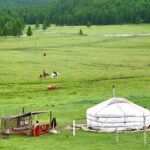
You’ll start with round-trip transfers and meet Bee at your hotel, then head about 5 km out of the city to a traditional ger (felt-covered yurt). Before you cook, you’re welcomed with warm nettle tea foraged nearby, plus a lot of plain talk about Mongolian daily life and food traditions.
Then comes the main event: you cook with your hosts, eat what you helped make inside the ger, and finish with shagai, the classic Mongolian knuckle bone game. This is a private outing for your group only, so the conversation and pace stay focused on what you want to learn.
In This Review
- Key things to know before you go
- A traditional ger kitchen makes this Mongolia lesson feel personal
- Getting there: hotel pickup and a short trip to the ger suburbs
- Warm nettle tea, daily-life talk, and hands-on cooking time
- Handmade Mongolian dishes: noodles, dumplings, and the meat question
- Shagai knuckles and Mongolian games after lunch
- What you’re really paying for at $199
- Who this tour fits best (and who might want to choose differently)
- Practical tips for your ger cooking day
- Should you book this tour?
- FAQ
- How long is the cooking class?
- Is hotel pickup and drop-off included?
- Is this experience private?
- What dishes might we cook and eat?
- Can you accommodate vegetarian diets or allergies?
- What is the cancellation policy?
Key things to know before you go
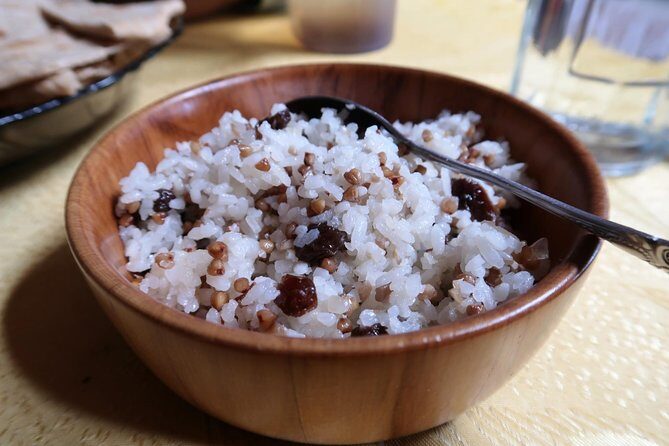
- A real ger kitchen, not a demo: you’ll help make the dishes, step by step.
- Seasonal food, family recipes: expect classic Mongolian flavors with some variation.
- Warm welcome first: nettle tea and daily-life stories set the tone.
- Hands-on games after lunch: shagai uses the small knuckle bones Mongolians keep.
- Vegetarian is possible: tell them your needs when you book.
A traditional ger kitchen makes this Mongolia lesson feel personal
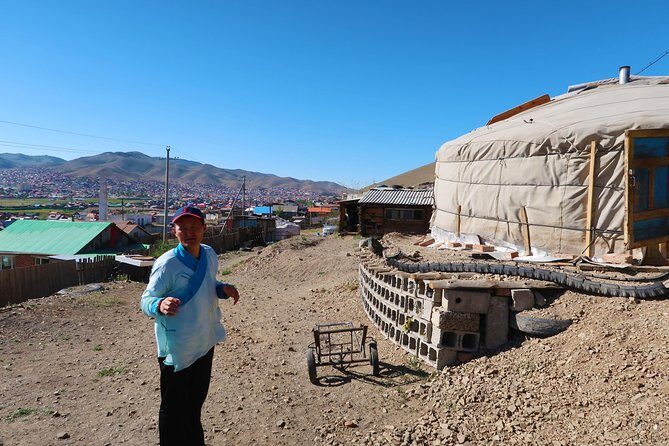
Most Ulaanbaatar food experiences either stay in restaurants or stay “tour-shaped.” This one is different because it happens in a home—inside a ger, the felt-covered, round nomadic dwelling you still see across Mongolia. That setting matters. It makes the cooking feel like something you’re joining, not something you’re watching.
I like that the day starts with relationship, not instructions. Bee and his wife Soy greet you warmly and talk through daily life and food traditions before you touch the dough or the dumpling wrappers. It helps you understand why the food is built the way it is—what’s practical, what’s seasonal, and what a family passes down.
And yes, you’ll still learn real technique. You should leave knowing how Mongolians make noodles and dumplings from scratch, not just how to eat them. That’s rare in a short city tour, and it’s a big reason the experience keeps scoring so well.
You can also read our reviews of more tours and experiences in Ulaanbaatar.


Getting there: hotel pickup and a short trip to the ger suburbs
You meet Bee at your hotel in Ulaanbaatar, then travel together to his family’s ger located roughly 5 km outside the city center. The transfer is set up so you’re not stuck figuring out local transport while hungry and curious.
Plan on a smooth block of time in the middle of your day. The class runs about 5 hours 30 minutes total, and the pace is designed for cooking, eating, and a final cultural activity in the home. A car, taxi, or public transport may be used for the ride, but the important part for you is that round-trip transfers from your hotel are included.
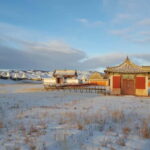
One more thing to keep in mind: this is a suburb home visit, not a central attraction. If you want everything to happen “right downtown,” you’ll feel the slight off-center feeling. But if you’re aiming for the real Mongolian rhythm of a family day, that extra trip out is exactly what makes it work.
Warm nettle tea, daily-life talk, and hands-on cooking time
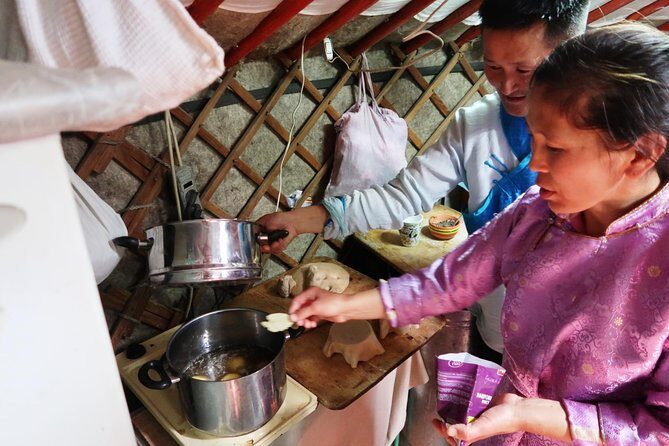
Before cooking, you’re served warm nettle tea made from nettles foraged from a nearby mountain. It’s a small detail, but it sets the tone: Mongolian cuisine isn’t just flavors on a plate. It connects to seasons, land, and what families gather and use.
Then Bee and Soy walk you through Mongolian customs and food traditions as you get settled in the ger. The best part here is that you’re not stuck in a lecture. You’re learning in the same room where the food gets made, and the conversation naturally goes along with what you’re doing.
Once hands-on cooking starts, you’ll work together on classic dishes using fresh local ingredients and family recipes passed down through generations. The two headline items you may learn include:
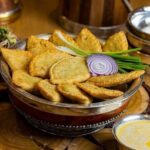
- Handmade noodle soup (often with traditional Mongolian touches)
- Steamed dumplings (made from scratch)
Even if your cooking skills are rusty, this kind of lesson usually works because it’s paced to a household workflow, not a class syllabus. You’ll have time to ask questions as you go, and that’s where the experience becomes more than food.
Handmade Mongolian dishes: noodles, dumplings, and the meat question
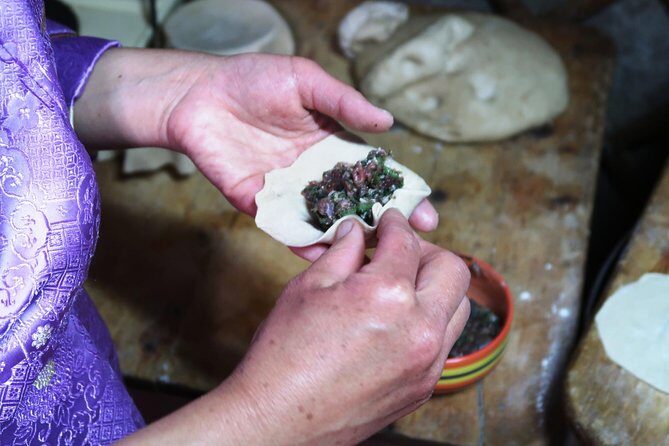
The menu can vary depending on the season, so you should think of this as a Mongolian cooking window rather than a guaranteed fixed menu. Still, the typical flow is clear: you’ll make dough-based comfort food and then eat it together.
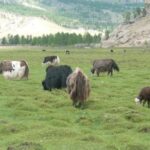
A common set of dishes includes noodle soup and steamed dumplings, and the meal may also include sheep meat. Some dishes you might see discussed include different ways of preparing sheep-based ingredients, since Mongolian home cooking often uses the whole animal tradition.
For you, the key practical point is this: if you have dietary restrictions, tell the provider at booking. A vegetarian option is available, and they adapt the meal if you ask. Allergies and preferences should be shared when you book so the family can plan around it.
If you’re wondering whether this will feel like a “tour food” menu, it doesn’t. The food is presented as family food—made for people in their home. That’s why so many people rate it as their top Ulaanbaatar experience. You’re not just tasting. You’re learning the why behind the dish.
Also, you’ll eat inside the ger, in a warm family setting. That matters more than it sounds. There’s a calm quality to eating in a home space, where you’re not fighting restaurant noise, and conversation can slow down around the meal you made.
Shagai knuckles and Mongolian games after lunch
Cooking and eating is only part of the day. At the end, Bee and Soy teach shagai, a traditional Mongolian knuckle bone game and a family favorite.
Shagai stands out because it connects food with daily life. It’s the kind of activity that feels ordinary in context, but it can feel very foreign if you only know Mongolia through museums or headlines. In this ger setting, it becomes natural—something a family does between chores or after meals.
Some hosts also include songs as part of the wrap-up, depending on the rhythm of the day. If you like cultural extras that feel linked to the home, this is one of the strongest reasons to book. It gives you a memory that’s not just about a recipe card.




What you’re really paying for at $199
At $199 per person, this isn’t a budget activity. But it’s also not priced like a generic group tour.
Here’s where the value comes from:
- Private, personalized time with Bee and Soy in their home
- Hands-on cooking from scratch, not just tasting
- Round-trip hotel transfers included
- Cultural components beyond cooking, like customs talk and shagai
- Seasonal, family-recipe meals inside a ger
You’re paying for direct access: a home setting, a household schedule, and time to ask questions. In places like Ulaanbaatar, that access is the expensive part. And it’s exactly what people rave about—how genuinely welcoming the hosts are, and how much conversation and patience you get while you cook.
If you’re the type who likes learning by doing, this price makes more sense. If you mainly want quick sightseeing and lots of distance-covering, then you might find better value elsewhere.
Also, this kind of class tends to book up. The average lead time is about 34 days, which tells you it’s popular. If your dates are firm, book earlier rather than later.
Who this tour fits best (and who might want to choose differently)
This is ideal for you if you want:
- A real home visit outside the city center
- Hands-on cooking with guided technique for Mongolian staples
- Culture through daily life, not just culture via storytelling on a bus
- A private group experience where you can ask questions
It’s also a good fit if you’re traveling with a partner or friend and you want shared time that feels different from the usual restaurant rotation.
You might consider another option if your top priority is a strict, timed itinerary with a fixed menu. Since the menu may vary by season, you should be flexible. Also, if you prefer very hands-off activities, you’ll need to be comfortable with participating in the cooking process in a home kitchen setup.
And if you’re sensitive to foods based on sheep or traditional preparations, plan ahead. The vegetarian option exists, but you should communicate your needs early at booking.
Practical tips for your ger cooking day
Here’s how to make the day smoother and more satisfying:
- Tell them about allergies, dietary restrictions, or preferences at booking so they can adapt the menu.
- Wear something comfortable for cooking. You’ll likely be working with your hands in a home environment.
- Bring a curious mindset. The biggest “lesson” often comes from questions during downtime between steps.
- If you’re unsure what you’ll eat, ask about the plan for the meal when you confirm your booking details.
- Keep expectations flexible about the exact dishes since season changes what a family makes.
This experience works best when you treat it like a friendly family visit that happens to include cooking lessons.
Should you book this tour?
Yes, you should book it if you want your Ulaanbaatar day to feel like you actually met Mongolian home life—not just a place to collect photos.
It’s worth it for the combination of private hosting, from-scratch cooking, and the added cultural finish with shagai. If you’re willing to trade a little predictability (seasonal menu variation) for authentic connection, this is one of the best ways to spend a few hours outside the city.
If you’re mainly looking for big sightseeing, go for something else. But if you want a warm, hands-on Mongolia experience that stays in your memory for the right reasons, this is an easy yes.
FAQ
How long is the cooking class?
It runs about 5 hours 30 minutes (approx.).
Is hotel pickup and drop-off included?
Yes. Round-trip transfers from your Ulaanbaatar hotel are included.
Is this experience private?
Yes. It’s a private, personalized tour, and only your group participates.
What dishes might we cook and eat?
You’ll likely make Mongolian dishes such as homemade noodle soup and traditional steamed dumplings. After cooking, the meal may include noodle soup, steamed dumplings, and sheep meat. The menu can vary by season.
Can you accommodate vegetarian diets or allergies?
Yes. A vegetarian option is available if you request it at booking. If anyone in your party has allergies or dietary restrictions, you should advise at time of booking.
What is the cancellation policy?
You can cancel for free up to 24 hours in advance of the experience for a full refund. If you cancel less than 24 hours before, the amount paid is not refunded.