REVIEW · ULAANBAATAR
6 Days Tour: Central Mongolia
Book on Viator →Operated by Mongolian Tour Guide · Bookable on Viator
Central Mongolia slows you down. I love the stop at Erdene Zuu for its Mongol-era layers, and I love the chance to sleep in a family yurt and learn real nomadic routines. The tradeoff is plenty of time on the road, and some days depend on good weather.
You start with pickup in the morning (meeting time is 8:00am) and you’re not stuck in a huge cattle-car group. This is set up as a private tour/activity, so only your group participates, and that usually means fewer surprises. The itinerary also asks for moderate physical fitness, mainly because you’ll be walking/hiking and you’ll spend time riding (yes, horses and camels are part of the nomad experience).
What makes this trip feel different is how it links big-picture Mongolian history with hands-on daily life outside the city. You’ll visit Buddhist sites, learn how the Orkhon River area formed its dramatic features, then switch gears to hot mineral soaks and wild horses back in a protected park.
In This Review
- Key highlights you’ll actually notice
- Central Mongolia’s pace: a 6-day route that doesn’t rush you
- Day 1 at Erdene Zuu: Karakhorum’s Mongol Empire roots
- Day 2 at Orkhon Waterfall: basalt rocks and the story of deep time
- Day 3 near the Orkhon area: horseback riding and nomad life
- Day 4 at Tsenkher Hot Springs: the mineral reset day
- Day 5 at Khogno Khan Nature Reserve: yurt nights under forested rock
- Day 6 at Khustain Nuruu: Przewalski’s wild horses in a protected home
- Price and value: what $1,270 buys in Central Mongolia
- Who this tour suits best (and who should rethink)
- Should you book this Central Mongolia tour?
- FAQ
- What time does the tour start?
- How long is the Central Mongolia tour?
- Is pickup included?
- Is this a private tour?
- What kind of fitness level do I need?
- What accommodations are included on the nomad portion?
- What are the key highlights on the itinerary?
- What is the cancellation policy and what happens with weather?
Key highlights you’ll actually notice
- Erdene Zuu and Karakhorum context: a monastery visit that connects Buddhism to the Mongol Empire’s old capital.
- Orkhon River geology at Ulaan Tsutgalan: basalt-rock scenery tied to volcanic activity and earthquakes from long ago.
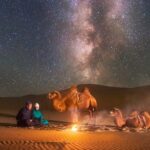
- Nomad family yurt nights: real routines, plus chances for horse and camel riding.
- Tsenkher Hot Springs at 86°C: a mineral soak that’s clearly built for recovery between outdoor days.
- Khogno Khan Nature Reserve: forested rocky mountains as your backdrop for a nomad stay.
- Khustain Nuruu and Przewalski’s horses: seeing reintroduced wild horses in their protected home.
Central Mongolia’s pace: a 6-day route that doesn’t rush you
This is the kind of itinerary that helps you understand Central Mongolia instead of just scanning it from a window. You’ll move between a few major anchors—monastery, waterfall/river area, hot springs, nomad yurt base, and a national park—and each one has a different job.
Day 1 and Day 2/3 do the “context” work. Day 4 gives your body a break with hot mineral water. Day 5/6 shift toward nature and animals—first through nomadic life, then through protected wild horses.
Because the route is spread out, expect travel time. That’s not a flaw—it’s part of how Mongolia works. Just plan your energy like you’re doing a road-and-outdoors combo, not a city hop.
A few more Ulaanbaatar tours and experiences worth a look
Day 1 at Erdene Zuu: Karakhorum’s Mongol Empire roots
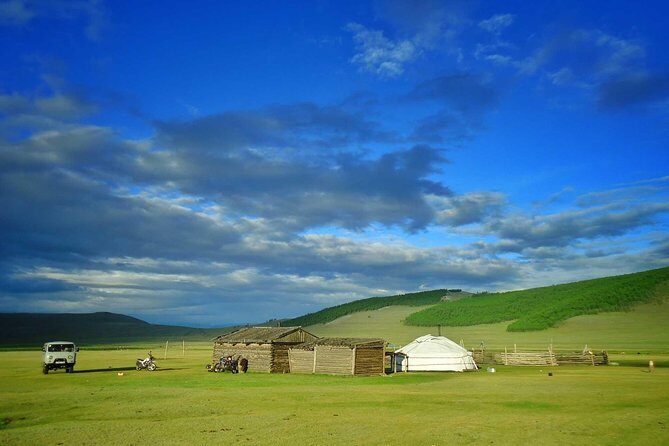
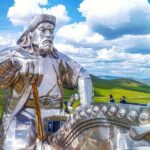
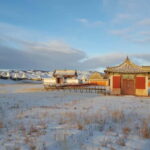
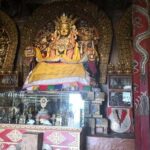
Your trip opens with Erdene Zuu Monastery, tied to the old capital of Karakhorum. The area was established in 1220 and served as the capital of the Great Mongolian Empire. The site story is big: Chinggis Khaan and later leaders like Ugudei, Guyug, and Munkh all lived here ruling the empire.
That matters because Erdene Zuu isn’t just a pretty stop. It’s a bridge between empire-era power and the spread of Buddhism in Mongolia. When you’re standing at a monastery connected to that history, the idea of Mongolia as a place shaped by both conquest and faith feels more concrete.
If you like sites where the historical story has names and dates, Day 1 delivers. It’s also a good warm-up for the rest of the trip, since Buddhism and Mongolian history keep showing up in the background.
Day 2 at Orkhon Waterfall: basalt rocks and the story of deep time
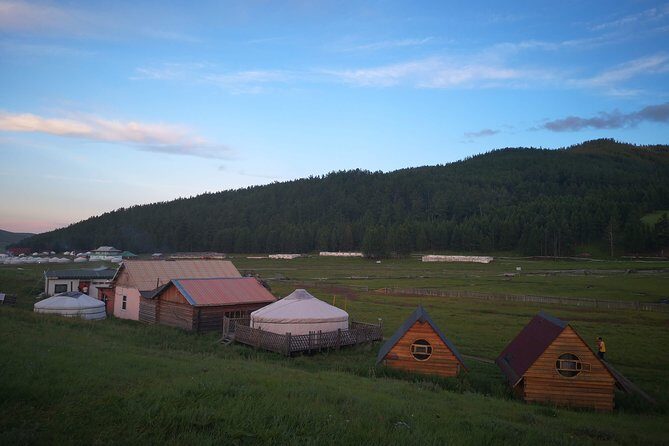
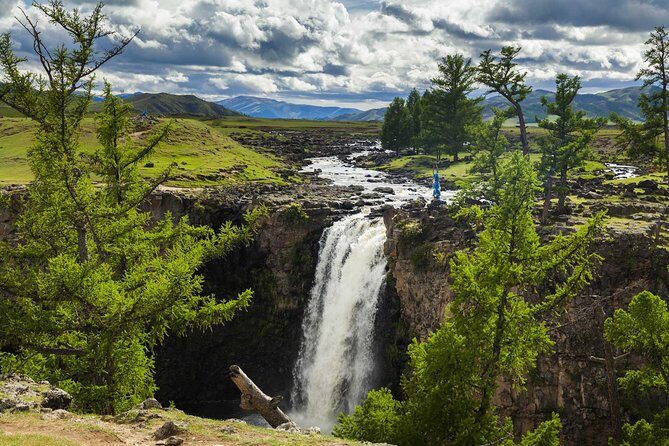
Day 2 heads to the Orkhon area, specifically the drive to Ulaan Tsutgalan Waterfall on the Ulaan River. Here’s what makes this stop interesting beyond the usual waterfall-photo routine: the river flows through volcanic basalt rocks. Those rocks formed through volcanic eruptions and earthquakes around twenty thousand years ago.
So when you’re looking at the falls and the surrounding river corridor, you’re really looking at a long physical timeline. That’s a nice change from purely human-made sites, and it helps you appreciate why the Orkhon Valley area has attracted attention for centuries.
Practical tip: this is a day where your best viewing might come from moving a bit around the water. Bring your patience for outdoors time, since water features can mean slippery footing depending on conditions.
Day 3 near the Orkhon area: horseback riding and nomad life
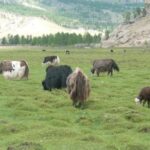
Day 3 is where the trip gets hands-on. You’ll spend the day with horseback riding, plus time to discover the surroundings and learn about nomadic life and the animals around you.
This is also where the day’s logistics start to matter more. You’ll likely be outdoors for stretches, and horseback riding is a real activity, not a quick photo moment. If you have any concerns (allergies, motion sensitivity, etc.), this is the moment to speak up early.
Accommodation is described as either a Family Yurt or a tourist camp. That choice can affect your comfort level and how you experience the night. A family yurt tends to feel more like daily life; a tourist camp can be easier for some people who want more structure.
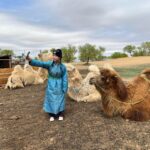
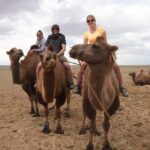
And yes, camel riding is listed as part of the overall nomadic experience on this tour. Even if you’re most excited about horses, keep an open mind about camels. The point isn’t the animal itself—it’s the way these rides teach you how nomads move through land and distance.
Day 4 at Tsenkher Hot Springs: the mineral reset day
After breakfast, you drive to Tsenkher Hot Springs, one of the most talked-about soaking spots in Mongolia. The temperature is listed at 86 degrees, and it’s described as mineral-enriched with an optimum pH.
This is a key day for two reasons:
1) It breaks up the more active outdoor blocks.
2) It adds a very Mongolian kind of comfort—water heat shaped by geography, not a resort pool.
Since your previous days include riding and hiking, a hot soak can feel like a real recovery tool. Just treat it like a proper outdoor activity: you’ll want time to settle in, not a rush to check a box. The itinerary also makes it clear the trip requires good weather overall, so plan for the fact that nature can influence how smooth the day feels.
Day 5 at Khogno Khan Nature Reserve: yurt nights under forested rock
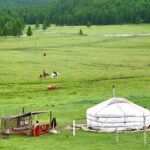
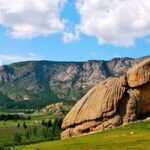
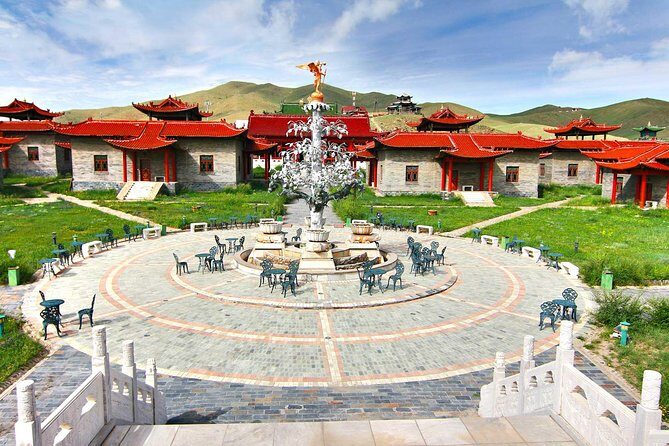
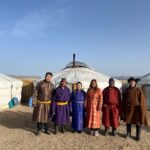
Day 5 brings you to the Khogno Khan Nature Reserve. Once you reach the mountain area, you arrive at a nomadic family yurt in front of beautiful forested rocky mountains.
That detail is more than atmosphere. It’s the difference between “camping somewhere” and sleeping with the environment right in front of you. If you want Central Mongolia to feel like a place people actually live and work, this is one of your best shots on the trip.
This day also ties back to the trip’s main theme: learning Buddhism and history, then living those ideas through everyday nomad culture and time outdoors. Even when you’re just eating, resting, or watching activity around the yurt, you’re seeing how routine fits into the natural setting.
Also, if you’re the type who keeps track of names and places, Khogno Khan is your anchor on this day—the route funnels you there intentionally, not as a side stop.
Day 6 at Khustain Nuruu: Przewalski’s wild horses in a protected home
Your final day goes to Khustain Nuruu National Park, built for conservation. Here you look for Mongolian wild horses: Przewalski’s. The tour notes they were re-introduced back to their home in 1993.
That reintroduction date adds weight to the visit. You’re not just looking at animals; you’re seeing a conservation story that started relatively recently and continues in the present. And since this is a national park setting, it’s also a meaningful contrast to the nomad yurt nights. Same general region, different relationship to land and wildlife: lived-in nomad space versus protected habitat.
The itinerary also mentions driving southwesterly along the Tuul River and its riverine forest areas. Even if you’re not getting a long nature hike, that kind of route detail usually means you’ll experience the river corridor as part of the day, not only reach the park and leave.
Price and value: what $1,270 buys in Central Mongolia
At $1,270 per person for about 6 days, this isn’t a budget snack. It’s priced like an off-the-beaten-track itinerary with real driving time and structured guiding.
Here’s why the cost makes sense for the value you get:
- Multiple major stops in different categories: monastery/history, Orkhon-area nature, a hot springs reset, nomad yurt stays, and a conservation park with Przewalski’s horses.
- Transportation included with pickup offered, so you’re not coordinating long-distance drives on your own.
- A private group setup, meaning the experience is built around your group rather than constant crossovers with strangers.
- Accommodation on the nomad segment is explicitly part of the plan (family yurt or tourist camp on the day you’re out with nomad life).
Also, the trip is listed with group discounts and mobile ticket use. Those are small things, but they can lower friction when you’re building your own Central Mongolia plan.
One small caution: because this is a weather-dependent experience, your real “value feeling” depends on whether the outdoor parts run as expected.
Who this tour suits best (and who should rethink)
I’d treat this tour as a great fit if you want a mix of history, religion, and real-life rural Mongolia—not just scenery from the road.
It’s especially suitable for people who:
- enjoy guided visits with historical context (the Mongolia Empire links at Erdene Zuu are a big draw)
- want an authentic yurt-based experience with nomad family lifestyle exposure
- are comfortable with moderate fitness and outdoor walking plus riding time
- care about animal conservation and want to see Przewalski’s horses in a protected setting
I’d think twice if you’re very sensitive to travel time or you prefer highly flexible, do-it-yourself pacing. The itinerary’s structure is part of the appeal, but it means you’ll be on a schedule.
One more practical note: if you have any animal-related concerns, say so early. In feedback tied to this tour, guide Amra and driver Gana were reported to handle a horse allergy smoothly and without turning the day into a problem. That’s a strong sign you can communicate needs and get thoughtful adjustments.
Should you book this Central Mongolia tour?
If your ideal Mongolia trip includes Buddhism + Mongol history + nomad yurt life + hot springs + Przewalski wild horses, then this is a very logical match. The route is built around variety: human history, river geology, daily survival traditions, mineral recovery, and conservation wildlife.
I’d book it if you’re excited by the idea of slowing down and living a few days with fewer distractions than a city tour. It’s also reassuring that the experience has a 4.9 rating with strong recommendation scores.
Before you commit, ask yourself one question: are you okay with long outdoor days and the reality that good weather matters here? If yes, you’ll likely find this one memorable for the right reasons.
FAQ
What time does the tour start?
The start time is listed as 8:00am.
How long is the Central Mongolia tour?
It runs for 6 days, approximately.
Is pickup included?
Yes, pickup is offered.
Is this a private tour?
Yes. It’s described as private, and only your group will participate.
What kind of fitness level do I need?
You should have a moderate physical fitness level.
What accommodations are included on the nomad portion?
Accommodation is listed as a Family Yurt or a Tourist camp.
What are the key highlights on the itinerary?
The tour includes Erdene Zuu Monastery, Orkhon Waterfall (Ulaan Tsutgalan area), Tsenkher Hot Springs, the Khogno Khan Nature Reserve with a nomadic family yurt stay, and Khustain Nuruu National Park to see Przewalski’s wild horses.
What is the cancellation policy and what happens with weather?
You can cancel up to 6 days in advance for a full refund. If the experience is canceled due to poor weather, you’ll be offered a different date or a full refund.