REVIEW · ULAANBAATAR
From UB: 2-Days Tour to Kharhorin and sand Semi Gobi
Book on GetYourGuide →Operated by MJ Travel LLC · Bookable on GetYourGuide
Long drives, big skies, and a ger at night. This two-day trip hits Kharkhorin (Karakorum) and Elsen Tasarkhai’s Mini Gobi with a real on-the-road feel, plus the help of an English/Russian guide (often Jana through MJ Travel LLC). I especially like the mix of major Mongol Empire sites and the chance to experience daily life with a Mongolian or nomadic family. One thing to think about first: at $250, the value depends on how much you value the guide and included logistics, and you should expect serious hours in the car.
The overnight setup is the human part of the journey: you’ll stay one night in a ger/home style arrangement, then eat like locals do. That adds warmth to an itinerary that is otherwise heavy on distance and timing, so it’s not a passive day-trip kind of deal. Also keep in mind that while most people get a smooth experience, there’s at least one report of late guide involvement and driver changes, so it’s smart to confirm who you’ll meet at pickup and when.
In This Review
- Key highlights worth your attention
- Two days from Ulaanbaatar: what this trip feels like
- Getting to Kharkhorin: 360 km and why the breaks matter
- Kharkhorin and Erdene Zuu: the Mongol Empire made visitable
- Kharkhorin museum time: short, focused, and optional-feeling
- Semi Gobi at Elsen Tasarkhai: dunes, meadows, and water in the same breath
- The ger/home night: where the tour turns personal
- Meals and timing: lunch you pay for, dinner you don’t (depending)
- Price and logistics: is $250 fair for what you get?
- Who should book this tour (and who should skip it)
- My booking advice: should you sign up?
- FAQ
- FAQ
- How long is the tour?
- What does the tour cost?
- What’s the group size?
- What languages are offered?
- What’s included in the price?
- Which tickets cost extra?
- Is lunch included?
- Are horse or camel rides available?
- What is the overnight accommodation like?
- Can I cancel or pay later?
Key highlights worth your attention
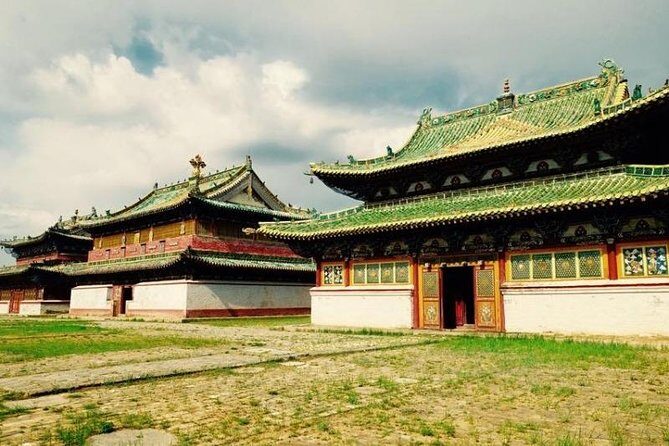
- Kharkhorin’s Erdene Zuu Monastery: a 16th-century monastery tied to Mongolia’s Buddhist story.
- Mini Gobi (Elsen Tasarkhai): sand dunes stretching 80 km in total, plus green meadows and water in the same area.
- One-night ger/home stay: you see how Mongolian hospitality works, not just the scenery.
- Guide support in English or Russian: often handled by Jana, with a friendly, helpful style.
- Real road time plus photo stops: expect photostops and breaks, not nonstop staring out the window.
- Small group size (up to 12): easier than huge buses, but still a shared experience.
Two days from Ulaanbaatar: what this trip feels like
This is a “get out there and move” kind of tour. You’re not staying in one town and slowly exploring. You’re covering two big targets—Kharkhorin and the Mini Gobi—in 48 hours—so the driving schedule matters as much as the sights.
The good news is the route isn’t just a drive-by. The timing is built around getting to Kharkhorin in time to see the main religious site, then having a night that actually connects you to people (a ger/home stay). After that, you head back to the sand-and-meadow world of Elsen Tasarkhai.
If you like Mongolia for its scale—open space, changing terrain, and the feeling that you’re far from the easy tourist circuit—this works well. If you want lots of long museum time, you might feel the pace is quick. This tour is a fast sampler with meaningful stops.
A few more Ulaanbaatar tours and experiences worth a look

Getting to Kharkhorin: 360 km and why the breaks matter
On day one you start early. Pickup is around 06:30, and the drive to Kharkhorin is roughly 360 km (about 5 hours). Plan on the car being your main “hotel” for a while. Mongolia’s distances turn even routine travel into part of the experience.
There are two practical stop moments along the way—time for toilets and a supermarket check. That matters because you may want snacks and water that aren’t something you can count on once you’re out on the steppe.
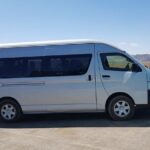
Also, comfort details aren’t guaranteed to be perfect. One booking noted issues like air-conditioning and a seat belt in the middle row. That’s not enough to write the whole trip off, but it is a reminder: bring layers, use your common sense for long rides, and don’t assume every comfort feature will be brand-new.
Finally, the “English speaking guide driver” point is important. The plan is that you have guide help, but in at least one reported case the guide presence didn’t start right away. My advice: at pickup, ask directly who your guide is and whether the English explanations begin immediately or later. A quick question saves frustration later.
Kharkhorin and Erdene Zuu: the Mongol Empire made visitable
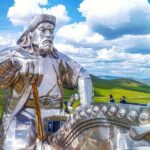
Kharkhorin—also called Karakorum in historical context—was the ancient capital during the 13th–14th centuries. That’s the headline. The “why you’ll care” is that Erdene Zuu gives you a physical anchor for that story.
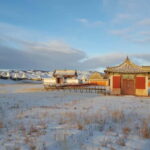
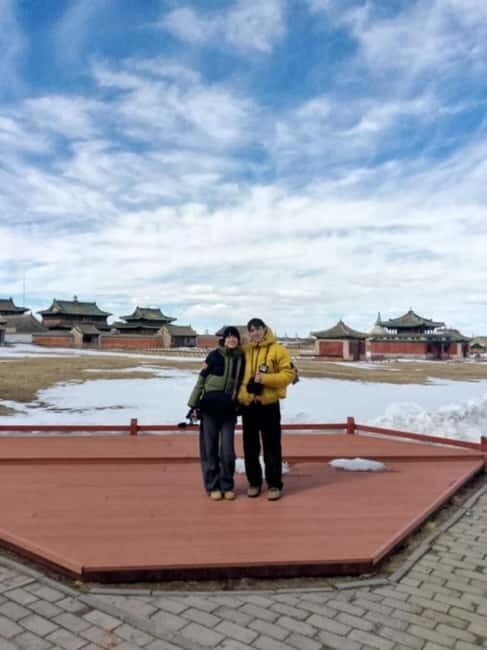
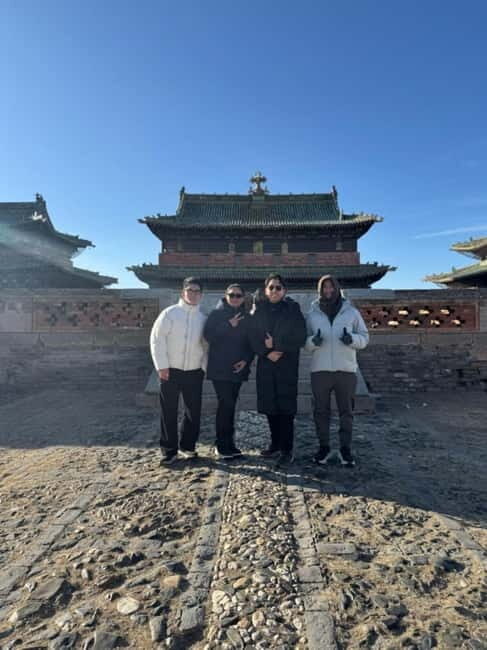
You arrive for the main portion of the day around early afternoon. You’ll have time for lunch first, then move into the Erdene Zuu area. This is a 16th-century monastery, so it’s not just ancient ruins in the abstract. It’s living stone, with a Buddhist site that still functions as part of Mongolia’s cultural geography.
What I like about this stop: it’s one of those places where the setting does half the work. The monastery feels grounded because it’s not trying to be a theme park. You’re looking at a real historical site, and your guide can connect it to the larger Mongol Empire era—without turning it into a lecture.
One bonus is timing-dependent but real: in one account, a film was being shot there. You can’t plan on that, but it’s a good reminder that Kharkhorin isn’t frozen in time. You might see activity beyond the “tour loop.”
Important practical note: entry tickets are not included. The Erdene Zuu ticket is listed at 10,000 (currency not stated). If you care about seeing everything without scrambling, budget for it.
Kharkhorin museum time: short, focused, and optional-feeling
After Erdene Zuu, there’s museum time in Kharkhorin. The museum is also listed with a separate entry ticket: 10,000.
Here’s the practical way to think about it. In two days, you won’t have hours and hours for indoor content. If you love museums and want context, it’s worth paying for. If you prefer being outside and already feel you understand the basics from your guide, you might treat the museum as a smaller add-on rather than the main event.
Either way, this is also when your guide can help you connect what you’re seeing to what you’re walking through. Even if the museum visit feels brief, the “story thread” is still there: ancient capital, monastery, and then the transition toward the modern living steppe world you’ll experience later.
Semi Gobi at Elsen Tasarkhai: dunes, meadows, and water in the same breath
Day two is where the scenery switches hard. You’re driving again—this time toward Elsen Tasarkhai, also known as the Mini Gobi. Ulaanbaatar to Elsen Tasarkhai is listed at about 280 km (roughly 4 hours one way), and you’ll leave after a morning breakfast.
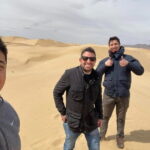
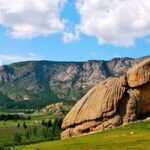
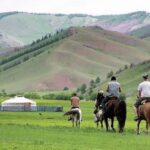
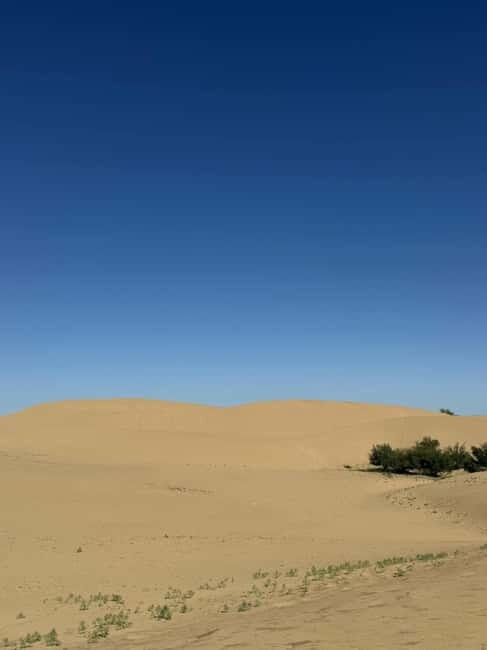
The big attraction is the mini sand dune area that locals and guides describe as a surprising mix: sand dunes, green meadows, and bodies of water all in one region. The sand dunes total length is listed as 80 km—that scale is part of the wow factor. Even if you only spend a couple hours in the most accessible zone, it helps you understand why people talk about this place like it’s its own little planet.
You’ll reach the Elsen Tasarkhai zone around late morning. That timing is practical for photos and for staying comfortable. You’re there long enough to walk, stop, and take pictures, but not so long that it turns into a heat marathon.
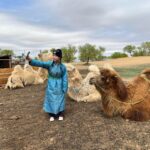
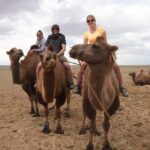
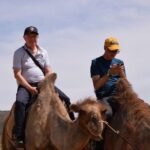
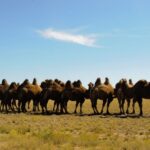
Optional ride note: if you want a horse or camel experience, fees are listed at about 30,000 cash for around 1.5 hours. If you want that, bring cash and ask early so it fits your schedule.
The ger/home night: where the tour turns personal
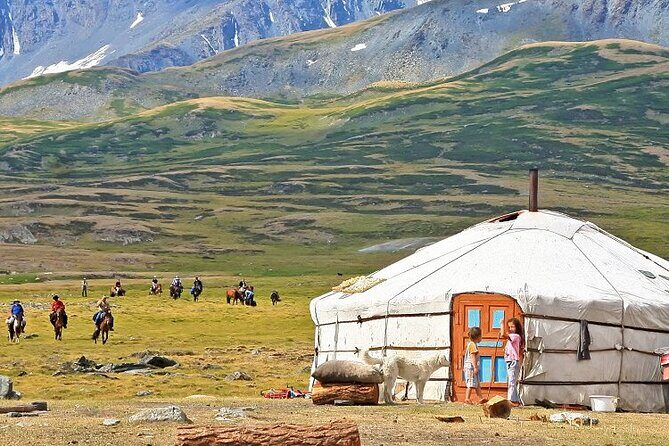
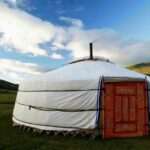
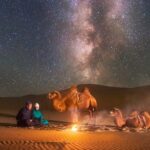
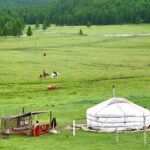
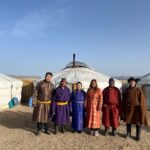
The overnight stay is one of the strongest parts of this tour because it changes the tone from “sites” to “people.” The plan includes a one-night stay in a local guest house with Mongolian home/ger, or in some cases an arrangement with a nomadic family near the Elsen Tasarkhai area. Either way, you’re not just sleeping in a standard hotel box.
Dinner is scheduled for the evening, and you also get a night that includes free time to enjoy the countryside. That’s when you can ask questions without feeling like you’re sprinting from one ticketed stop to another.
Now for the practical part you should plan around: accommodation details are listed in a slightly confusing way. The tour description says accommodation is not included, but it also lists a nomadic family ger/home stay option at 70,000 that includes local breakfast and dinner. So the safe approach is this: before you go, confirm which overnight option you’ll get and what (if any) extra amount applies. You don’t want a “surprise tugrik bill” after you’ve already settled in.
Why this night matters for value: you’re buying transportation and guided access anyway, but the ger/home part is the piece that turns the trip from “a route” into something you’ll actually remember.
Meals and timing: lunch you pay for, dinner you don’t (depending)
Lunch is not included. The tour data suggests you’ll pay for a single dish around 10,000–20,000.
That’s normal for Mongolia day tours, and it also keeps you flexible. If you eat lightly and carry a snack, you’ll be less stressed about what lunch looks like that day.
Dinner is part of the included routine at the accommodation stage (and local breakfast/dinner are specifically mentioned with the nomadic-family ger option). So you’re not juggling meals twice in one day, which helps when you’re traveling long distances.
If you’re the type who likes planning every bite, I’d still recommend keeping some cash aside for lunch, plus snacks. A camera works great, but food and water keep the day from feeling like a series of roadside interruptions.
Price and logistics: is $250 fair for what you get?
Let’s talk straight value. $250 per person sounds high if you think Mongolia equals cheap transport and cheap sightseeing. But this tour includes more than a bus ticket: pickup and drop-off, petrol, road tolls and taxes, and a guide driver (with English and Russian support).
Where the price can feel justified:
- You’re covering long distances in limited time (Kharkhorin + Semi Gobi).
- You’re getting access to a major historical site and a guided visit.
- You’re also getting the human piece: a one-night ger/home stay with local meals.
Where it can feel overpriced:
- Entry tickets (Erdene Zuu and Kharkhorin museum) cost extra.
- Lunch is extra.
- If you expect a truly private experience only for your party, watch the small-group reality (the tour data says small group up to 12).
And there’s another hidden-value factor: time. If the guide isn’t present immediately, you lose some of the “explanation value” you’re paying for. One account described a long stretch without a guide and a mid-tour car change. You can’t control everything, but you can reduce risk by confirming the meeting point and guide schedule at the start.
Who should book this tour (and who should skip it)
This tour fits you if:
- You want both history (Kharkhorin/Erdene Zuu) and sand-dune scenery (Elsen Tasarkhai) in two days.
- You enjoy meeting people enough to appreciate a ger/home night, not just taking photos.
- You’re okay with lots of driving and short stop windows.
You might want to choose something else if:
- You hate car time. This is a distance-heavy itinerary by design.
- You want deep, hour-by-hour museum-style culture. The schedule is built for movement.
- You need full comfort guarantees from vehicle to vehicle. Bring layers and accept that the steppe is real life, not a showroom.
My booking advice: should you sign up?
If you can handle early starts and long road hours, I think this is a strong way to use two days in Mongolia. The pairing of Erdene Zuu with the Mini Gobi’s unusual sand-and-meadow mix makes the trip feel like more than a single-theme outing. And the one-night ger/home stay is the difference between “I saw places” and “I met Mongolia.”
Book it if you:
- Care about guided access and don’t want to wrestle with logistics on your own.
- Want the human side of Mongolia, not just the sightseeing stops.
Hold off or ask lots of questions first if:
- You’re sensitive to comfort issues during long drives.
- You’re counting on a strictly private experience with no car/guide changes.
If you do book, do two things that make the trip smoother: bring cash for tickets and optional rides, and confirm your guide name and when they’ll join the group right after pickup.
FAQ
FAQ
How long is the tour?
It runs for 2 days.
What does the tour cost?
The price is listed as $250 per person.
What’s the group size?
It’s a small group limited to 12 participants.
What languages are offered?
The tour is described as having a live guide in English and Russian.
What’s included in the price?
Pickup and drop-off from your hotel or guest house, a private English speaking guide driver, petrol, and all road tolls and taxes are included.
Which tickets cost extra?
Entry tickets are not included for Erdene Zuu Monastery (10,000) and the Kharkhorin museum (10,000).
Is lunch included?
Lunch is not included. The listed estimate for one dish is 10,000–20,000.
Are horse or camel rides available?
Yes. Horse or camel rides are available for a fee of around 30,000 cash for about 1.5 hours.
What is the overnight accommodation like?
You stay one night in a local guest house with a Mongolian traditional home (yurt/ger) or with a nomadic family arrangement. The nomadic family ger/home stay is listed at 70,000 and includes local breakfast and dinner.
Can I cancel or pay later?
You can cancel up to 24 hours in advance for a full refund, and the option to reserve now & pay later is listed.