REVIEW · ULAANBAATAR
Travel to Gobi by train Visit World energy Center
Book on GetYourGuide →Operated by GobiGoTour · Bookable on GetYourGuide
Waking up in the Gobi starts on the rails. This 40-hour train-and-temple trip pairs an evening sleeping train with a full guided morning and afternoon in Sainshand, so the Gobi actually feels close. You’ll spend less time figuring things out and more time seeing why Khamriin Khiid draws people in.
I especially like the mix of deep spirituality and clear storytelling: Khamriin Khiid isn’t just a stop, it’s framed with the beliefs tied to body energy and Buddhist tradition. And the guide quality matters here. When you get someone like Taisun (or guides with equally strong English skills), the history and place meanings land fast and make the temples feel personal.
One thing to weigh is the schedule. You’ll be on the train for long stretches, and lunch is included but can be a different spot depending on timing (I’d keep expectations flexible if you’re picky about where food is served).
In This Review
- Why This Gobi Trip Works So Well on a Tight Timeline
- Night Train to Sainshand: The Easy Way Into the Gobi Rhythm
- Khamriin Khiid World Energy Zone: Temples, Belief, and a Red Sect Connection
- Danzanravjaa Museum: Turning Names Into Stories
- Bayanzurkh Sacred Mountain and the Shambala Stupa
- Timing, Meals, and the Train-Station Dinner Factor
- Price and Value: What $310 Gets You in Real Terms
- Getting the Most From It: What to Bring and How to Prep
- Which Guide Style You’ll Want on This Day
- Who Should Book This Train-and-Temples Gobi Day
- Should You Book GobiGoTour’s Gobi by Train and Energy Center Visit?
- FAQ
- What is the duration of the trip?
- What train times are used for the round trip?
- Where does the tour pick you up in Ulaanbaatar?
- What are the main sights included in the visit?
- What meals are included?
- What does the price include?
- What languages are available for the live tour guide?
- Is alcohol allowed?
- Who is this tour not suitable for?
Why This Gobi Trip Works So Well on a Tight Timeline
If you have limited time in Mongolia but still want a real taste of the Gobi, this format is smart. The evening sleeping train gets you moving immediately, then you wake up ready to explore instead of losing a full day to travel. By the time you head back, you’ve already covered the key cultural stops around Sainshand.
The second reason it works is that you get both structure and breathing room. The guide runs the day with an English-speaking team, while the pacing keeps you from rushing through everything. Even the “small group” setup (limited to 10) helps, because questions don’t get swallowed by a crowd.
Night Train to Sainshand: The Easy Way Into the Gobi Rhythm
The trip starts on an evening sleeping train toward Sainshand, departing at 20:50. You arrive around 07:00, then you’re not left on your own. A driver meets you early and takes you straight into the area with city views from a high peak location for orientation.
That first stop, before temples and museums, is more useful than it sounds. It helps you understand the geography and where the day’s sites sit relative to Sainshand. Mongolia can feel huge and empty from the outside, so getting your bearings fast makes the rest of the tour feel more meaningful.
Then the day turns practical right away. Breakfast is served in a nearby place in the main square area, giving you a proper start before the drive. From there, you move into the culture-heavy portion of the itinerary.
You can also read our reviews of more tours and experiences in Ulaanbaatar.
Khamriin Khiid World Energy Zone: Temples, Belief, and a Red Sect Connection
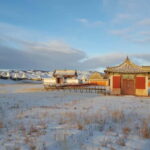
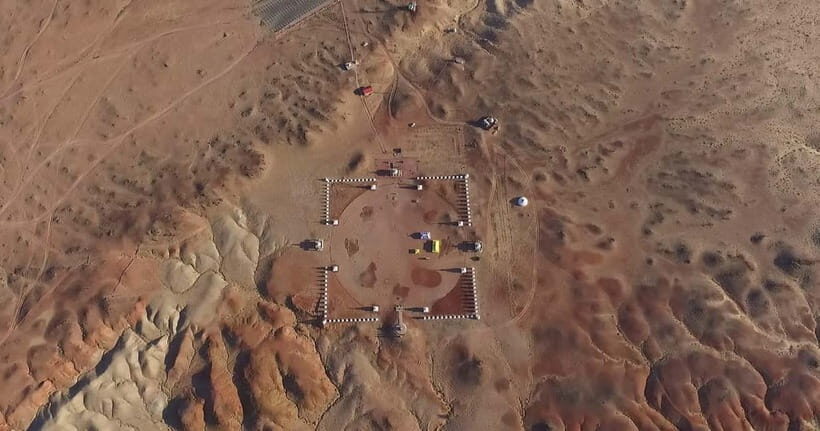
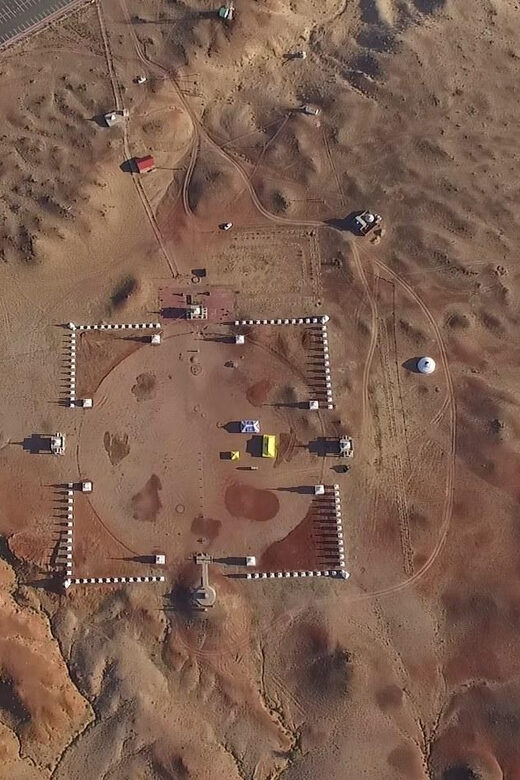
The big spiritual highlight is Khamriin Khiid, often described as a world energy center. The idea here is that people believe the site has energy that can affect the body energy. Even if you’re not chasing spiritual experiences, you’ll still appreciate how thoughtfully the stop is presented: you’re not just walking through buildings, you’re learning the belief system behind why people come.
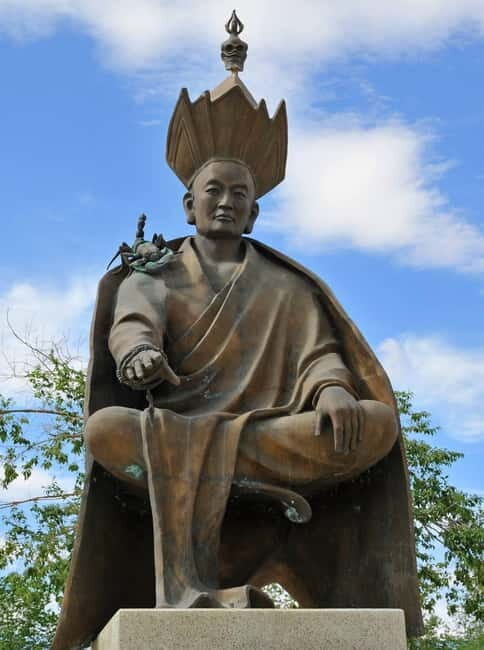
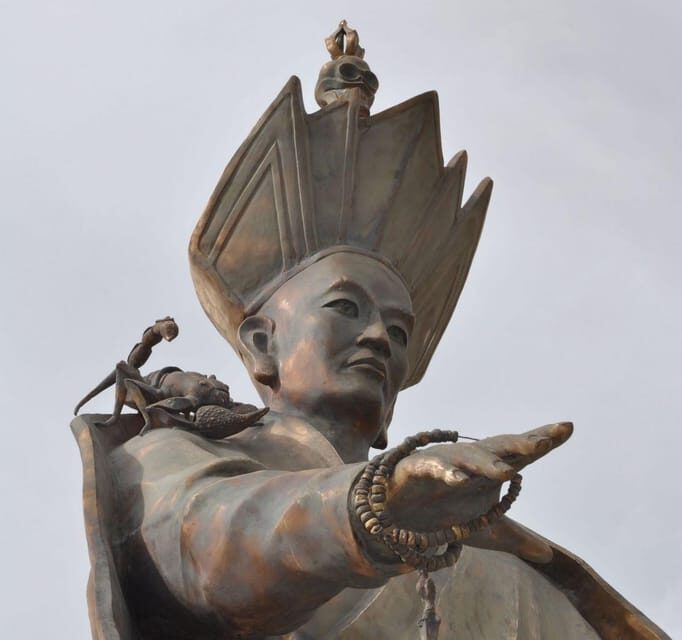
This monastery area is also linked with major Mongolian religious figures. The tour specifically connects the site with Javzandamba Khudagt and Danzanravjaa (1803–1856), a famous Mongolian teacher and writer. The guide’s job is to make those names more than labels, and on tours with strong guides—like the ones highlighted in the feedback—you’ll usually get the context you need without feeling overwhelmed.
Another key element is the historical framing. The monastery is described as an important center of the Buddhist “red sect.” That detail matters because it helps you understand this place in Mongolian Buddhism rather than as a generic temple visit.
Practical note: sites like this can feel quiet and reverent, so I’d treat it like a respectful visit. Camera is allowed, and the atmosphere is the point.
Danzanravjaa Museum: Turning Names Into Stories
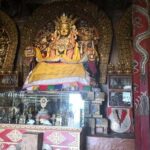
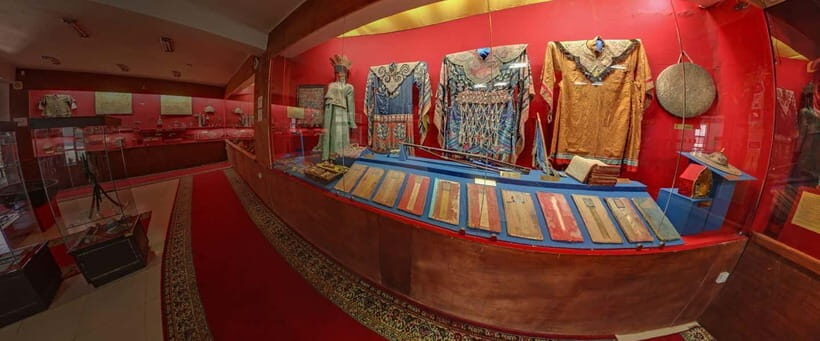
After the monastery area, you’ll visit the Danzanravjaa museum. This is where the trip becomes more than scenery. Instead of hearing a few lines and moving on, you get a chance to connect Danzanravjaa’s identity—teacher, writer, and religious figure—to what you’re seeing on the ground.
When a guide is doing a good job, you’ll likely leave this stop understanding why these cultural figures matter in daily Mongolian identity. A strong English speaker can also help you translate the vibe of the place: why people feel drawn to it, and what “heritage” looks like beyond dates.
This is also a good time for photos, because museum and monastery spaces often give you close views of details you can’t catch from a distance.
Bayanzurkh Sacred Mountain and the Shambala Stupa
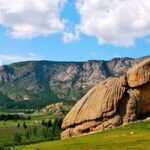
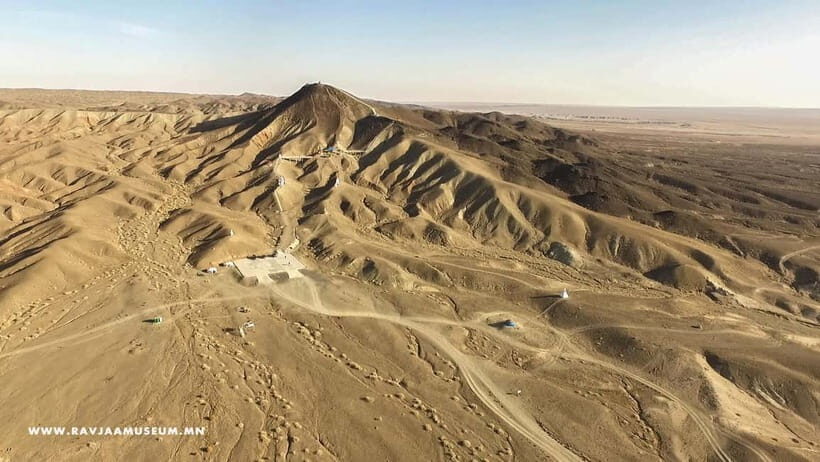
Next up is Bayanzurkh, described as a sacred mountain. Mountains in Mongolia aren’t just scenery; they’re part of how people relate to the land. The tour frames it as a spiritual stop, so you’ll get the “why” behind visiting rather than treating it like a quick viewpoint.
Then the day includes a visit to a Shambala stupa. The goal isn’t to treat it like a checkbox. It’s another piece of the spiritual layout of the day, tying together monastery life, sacred geography, and Buddhist symbolism.
If you like travel days where the meaning is delivered through stops (instead of only through lectures in a vehicle), you’ll probably enjoy this sequence. It’s also a good contrast: museum context inside, then sacred space outdoors.
Timing, Meals, and the Train-Station Dinner Factor
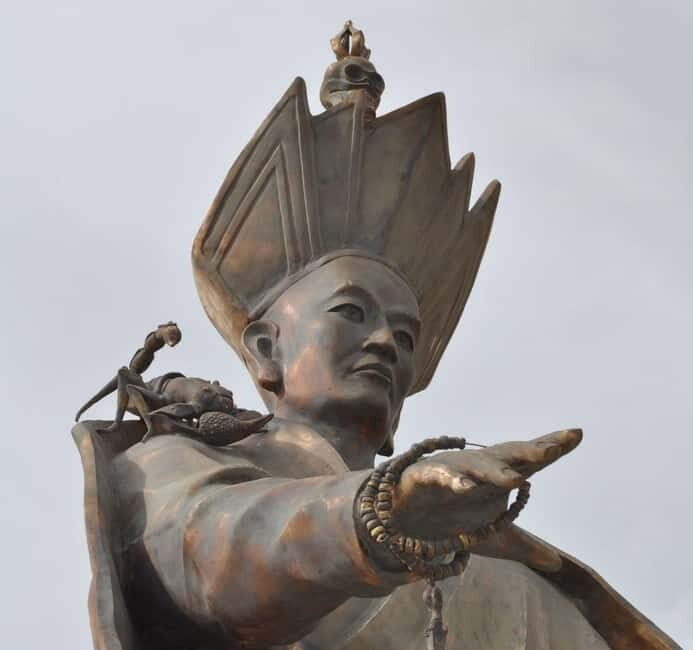
The day is built around train times, and it keeps things efficient. After arriving in Sainshand at 07:00 and breakfast, you’ll move through the monastery and museum, then have a local lunch. After the afternoon sites (Bayanzurkh and Shambala stupa), the schedule returns you to the train station.
Dinner is included and served at the train station before your return journey. That’s a practical detail worth knowing. It means you’re not hunting for food when energy levels drop. It also means your dinner plans are locked in, which is good for confidence and budget.
On the way back, you board again at 20:50 and arrive back in Ulaanbaatar at 07:00. That round-trip timing is part of the value: you get a full guided day in the middle, without spending extra nights.


Price and Value: What $310 Gets You in Real Terms
At $310 per person, this trip isn’t “cheap,” but it is clearly built around value. You’re paying for:
- Round-trip train tickets
- An English-speaking guide
- Entrance fees
- Breakfast, lunch, and dinner
- Drinking water
- Transport during the Sainshand day (driver + sightseeing transfers)
When you price out those pieces separately in Mongolia, the overnight train alone tends to be a big chunk of the cost. Add guided interpretation, entry fees, and three meals, and the package becomes more reasonable for a 40-hour experience that actually covers multiple cultural sites.
The small-group limit (up to 10) is also part of the value. It gives you a better chance to ask questions and actually hear the guide, instead of competing with a large bus.
One small caution on expectations: lunch is included, but as one feedback note pointed out, the lunch location may vary. If you’re very sensitive about food specifics, consider asking what kind of lunch setting to expect when you confirm.
Getting the Most From It: What to Bring and How to Prep
This kind of trip is easiest when you’re practical. Here’s what you should bring based on the tour’s guidance:
- Change of clothes (temperatures and comfort matter on travel days)
- A camera (you’ll likely want it at both viewpoints and spiritual stops)
- Cash (useful for small extras)
- A charged smartphone (for photos and navigation backup)
And a simple mindset tip: the spiritual sites are the highlight, but the train portion is part of the story. Plan for a long ride. Your best travel strategy is to prepare a small kit for comfort (water bottle stays covered by included water, but personal comfort items help).
Also note what’s not allowed: alcohol and drugs are prohibited.
Which Guide Style You’ll Want on This Day
The tour experience rises or falls with the guide, and the feedback you’ll see lines up with this. Guides such as Taisun and Usukhbayar are specifically described as strong with English, and comfortable traveling with.
What you should take from that for your own decision: if you care about cultural context (not just where to stand for photos), choose a tour like this that guarantees an English-speaking guide and uses the language skills as part of the experience. The tour also lists additional languages (Japanese, Korean, Russian), which can be comforting if your group needs options.
Who Should Book This Train-and-Temples Gobi Day
This experience fits best if you want a true taste of Mongolia’s Gobi region without turning your trip into logistics. It’s a solid match for:
- First-timers who want a guided overview of spiritual and cultural sites near Sainshand
- People who like a structured day with a night train solution
- Travelers who appreciate explanations tied to names and beliefs (Danzanravjaa, Javzandamba Khudagt, the red sect connection)
- Couples and solo travelers who want small-group comfort
It’s less ideal if you hate long travel days or need very flexible timing. You’ll be tied to the train schedule and the included meal rhythm.
And based on the tour’s suitability notes, it’s not intended for babies under 1 year or people over 95 years.
Should You Book GobiGoTour’s Gobi by Train and Energy Center Visit?
I think you should book if your goal is simple: see the key sights around Sainshand with real context, while using an overnight train to maximize your time. The value math works because you’re getting transport, guide service, entrances, and three meals inside the price. And the small-group size makes the day feel more human.
Skip it if you’re the type who needs lots of control over every meal detail, or if a 40-hour train-centered schedule will feel draining. In that case, look for a different style of Gobi trip.
If you’re choosing this one, do it with a calm expectation: the magic here is in how the day connects monastery energy beliefs, Mongolian Buddhist history, and sacred mountain and stupa stops, all wrapped around a practical train route.
FAQ
What is the duration of the trip?
The total duration is 40 hours, covering an overnight train journey out and back plus a guided day in the Sainshand area.
What train times are used for the round trip?
The train departs at 20:50 and arrives at 07:00 in the morning. This timing applies for both the outbound and return journeys.
Where does the tour pick you up in Ulaanbaatar?
You send a pick up address (hotel name or location). The provider will arrange a driver to pick you up.
What are the main sights included in the visit?
You’ll visit the Khamriin Khiid world energy zone, the Danzanravjaa museum, Bayanzurkh sacred mountain, and a Shambala stupa.
What meals are included?
Breakfast, lunch, and dinner are included. Dinner is taken at the train station before your return trip.
What does the price include?
Included items are transport, an English-speaking guide, entrance fees, breakfast, lunch, dinner, drinking water, and a two-way train ticket.
What languages are available for the live tour guide?
The tour lists live guide language options as English, Japanese, Korean, and Russian.
Is alcohol allowed?
No. Alcohol is not allowed on the trip.
Who is this tour not suitable for?
It’s not suitable for babies under 1 year and people over 95 years.