REVIEW · ULAANBAATAR
Nomad Family Home Stay in Arkhangai Province
Book on GetYourGuide →Operated by Time Travel Nomads · Bookable on GetYourGuide
A week with nomads feels real fast. This home-stay style tour throws you into daily life across the Khangai Mountains and traditional gers, not just sightseeing. I love the chance to share meals and routines with a welcoming family, and I love the clear-sky nights with stars you can actually see. One possible drawback: you should expect a few days with no internet and limited wash facilities (and no shower for part of the trip).
What really makes this work is the human factor. Your guide, Enni, and a professional driver keep things moving while still giving you time to notice how nomad life runs: milking, dairy prep, herding rhythms, and the small moments that don’t show up in a museum. And yes, you’ll ride—horse first, then a short camel ride later—so you’re not stuck watching from a distance.
This is also a trip with a clear trade-off. The more you focus on the desert segment, the more you may feel it’s less of a deep nomad-only experience than the family days. That’s not a dealbreaker, but it matters if you’re hunting for maximum wilderness time.
In This Review
- Key Points You’ll Care About
- A Week With Nomads in Mongolia’s Khangai Mountains
- Day 1: From Ulaanbaatar to Ger Life and a Proper Dinner
- Day 2: Milking, Dairy, and Mountain Views You Can Feel
- Day 3: Orkhon Waterfall, a Second Family, and Learning the Saddle
- Day 4: Erdenezuu, Kharkhorin Museum, and the Mini Gobi Turn
- Day 5: Back to Ulaanbaatar, with Time for Real Souvenirs
- Food, Hospitality, and What You’ll Learn Beyond Photos
- Horseback Riding and Camel Timing: What to Expect, How to Prep
- Driving Days: The Part People Forget to Plan For
- Price and Value: Is $808 Worth It?
- Who Should Book, and Who Should Rethink It
- Should You Book This Nomad Family Home Stay?
- FAQ
- FAQ
- How long is the tour?
- Where does the tour start and finish?
- What’s included in the nomad family stay?
- Is horseback riding included?
- Is a camel ride included?
- What cultural and historic stops are included?
- What language is the guide?
- What should I expect regarding internet or showers?
- Is travel insurance included?
- Can I cancel and get a refund?
Key Points You’ll Care About
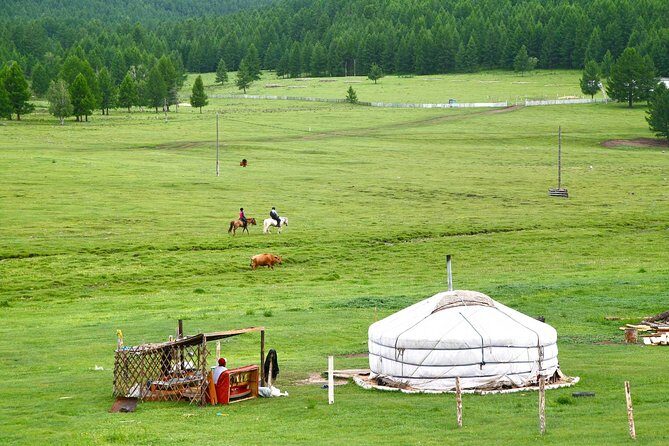
- Real yurt living with a nomad family and home-cooked meals, including homemade dairy
- Horse riding with basics first, then time exploring valleys by saddle
- Khangai Mountains days built around everyday tasks and mountain views
- Orkhon Waterfall stop plus a second family stay to change the perspective
- Mini Gobi with a camel ride that’s short and more structured than you might expect
- Cold nights that make packing smarter (light sleeping bag and warm layers help a lot)
A Week With Nomads in Mongolia’s Khangai Mountains
Mongolia’s magic is partly the scale—huge sky, huge distance—and partly the way people live inside that scale. This trip is built around both. You’re not just passing through the countryside; you’re staying in it, learning the routines, and eating what the family makes.
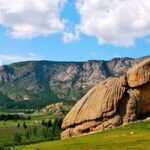
The Khangai region is the heart of this experience. It’s where mountains sit close enough to influence daily life, and where the steppe still feels like steppe—open, quiet, and honest. You’ll get a mix of mountain time, cultural stops in the Orkhon/Kharkhorin area, and then a desert-flavored change of scenery at the Mini Gobi ger camp.
The value of this format is simple: you’re paying for access to family life, not just a route. That’s why the itinerary includes two nomad home stays and keeps the daily blocks tied to what hosts actually do.
You can also read our reviews of more tours and experiences in Ulaanbaatar.
Day 1: From Ulaanbaatar to Ger Life and a Proper Dinner
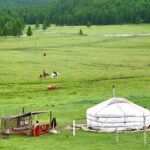
Your week starts in Ulaanbaatar with a briefing and a drive out toward the Khangai Mountains. In real terms, that means you’re easing into Mongolia by road, watching the scenery shift as the city fades behind you. By late afternoon, you arrive at your first nomad family’s ger.
This first night is all about settling in. You’ll meet your hosts, get oriented, and then share a traditional Mongolian dinner. This is where you’ll start learning the tour’s rhythm: the pace is slower than a city day, and the questions you ask matter. Families are sharing their home, not performing a show.
Practical note: this is the kind of setting where you stop expecting convenience. Comfortable? Yes. Predictable like a hotel? Not really. But if you want Mongolia that feels lived-in, this is the entry point.
Day 2: Milking, Dairy, and Mountain Views You Can Feel
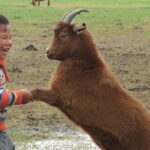
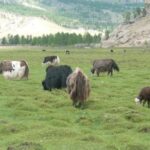
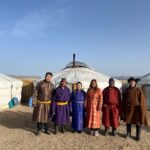
The second day is where the home-stay part really takes off. You join the family in daily activities such as milking cows, herding livestock, or making dairy products. Even if you’re not doing everything yourself, you’re watching the process up close and seeing what a workday actually looks like.
The best part is food. Homemade dairy products are a major feature here, and you may run into tastes that are new even if you eat adventurous at home. One review specifically called out fermented horse milk and milk tea—strong flavors with real cultural meaning. The key for you: don’t treat food as a checklist. Ask what’s in it, how it’s made, and why the family serves it the way they do.
In the afternoon, you head out on a guided hike through nearby mountains for panoramic views of the steppe. It’s a nice break from chores, and it helps you connect the daily work to the terrain. You’re not hiking for cardio points—you’re hiking so the area clicks.
Day 3: Orkhon Waterfall, a Second Family, and Learning the Saddle
Day three adds a change of scenery and a change of hosts. You say goodbye to the first family and drive toward Orkhon Waterfall. When you arrive, you settle in with another nomadic family. That switch matters. You see how traditions overlap, but you also see how households differ.
After checking in, you enjoy a home-cooked lunch. Then the afternoon is built around horseback riding. You’ll learn the basics first, then explore the surrounding valleys on horseback for about an hour.
If you’re a total beginner, that’s fine. You’ll get the fundamentals before you go out. The ride is short enough to be manageable but long enough to feel like more than a photo stop. This is one of the places where the tour earns its cost: horse riding in rural Mongolia isn’t just a thrill. It’s a way of moving through the land the way locals have for generations.
That evening, you’re back with a hearty dinner and time under the stars. Reviews mention the low light pollution making the sky feel especially clear. If you only remember one thing from this trip, make it that sky.
Day 4: Erdenezuu, Kharkhorin Museum, and the Mini Gobi Turn
This is the day that blends Mongolia’s cultural roots with the desert mood.
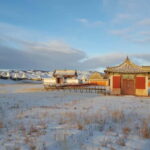
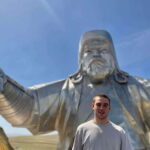
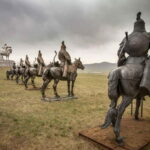
In the morning, you travel toward the Mini Gobi desert and stop along the way at Erdenezuu Monastery. It’s a historic place, and the point of this stop is context: you’re learning Mongolia isn’t only grass and yurts. There’s also centuries of spiritual and cultural history shaping the region.
You also visit the Kharkhorin Museum, which adds another layer by connecting the site to Mongolia’s ancient capital era. Even if you’re not a museum person, these stops are worth it because they reframe what you’re seeing. The drive between Mongolia’s natural zones suddenly has meaning beyond scenery.
After those cultural stops, you reach the Mini Gobi and check into a traditional ger camp. This is a different style of stay from the family homes—more like a base with camp facilities—so don’t expect the same day-to-day intimacy. But it does put you in a desert setting that feels like a switch in atmosphere.
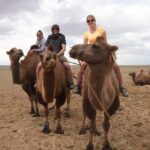
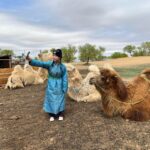
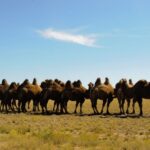
That evening, you get a short camel ride, about half an hour on paper. One review mentioned it felt shorter and more structured, with the ride barely into the dunes. Translation for you: treat it as a taste of the desert, not a long, gritty expedition.
Day 5: Back to Ulaanbaatar, with Time for Real Souvenirs
On the final day, the tour returns to Ulaanbaatar. The afternoon includes free time for souvenir shopping or local museum visits, depending on what fits your interests.
This is where I suggest being intentional. If you wait until the end, you’ll suddenly rush, and rushing is how you end up buying the wrong thing. If you care about crafts or felt goods, think about what you actually want to bring home—small, packable items—because you’re traveling with cold-weather gear too.
You end with a farewell dinner. It’s a good moment to compare notes: what you ate, what surprised you, and what you learned about how the host families work with weather, animals, and daily chores.
Food, Hospitality, and What You’ll Learn Beyond Photos
The best part of this trip is not the view count. It’s the food and the way the family opens their home to you.
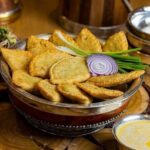
You should expect home-cooked meals based on what the household knows best: dairy-heavy dishes, hearty plates for cold evenings, and simple flavors that feel very Mongolia. One review highlighted fermented horse milk and milk tea, which can be a memorable cultural moment. Even if you’re cautious, ask first and take it step by step. Food here is part of hospitality, not a test.
Hospitality is also practical. Your hosts answer questions. They show you how the day runs, and they treat you as a temporary part of the household. That openness is what turns a tour into something more personal.
There’s also a built-in trade-off. Because this is family-focused, you spend less time chasing major tourist icons and more time living with the real rhythm of rural life. If your dream trip is all monuments and picture-perfect stops, this won’t fully scratch that itch. If you want daily life, it will.
Horseback Riding and Camel Timing: What to Expect, How to Prep
You get two animal moments.
First: horseback riding on day three, with basics taught before you ride out for about an hour. If you have any fear of horses, tell your guide early. The tour includes an English-speaking professional guide, and you’ll benefit from clear instructions and pacing.
Second: a camel ride in the Mini Gobi at the end of day four. The experience is brief, and some people may feel it’s more of a short demo than a deep desert immersion. Don’t stress—just set the expectation that it’s a short ride, and your main desert value comes from being there at all.
Now packing. Reviews point out it gets cold at night, and one traveler recommended bringing a light sleeping bag and wool layers. That makes sense when you’re sleeping in a ger setting where indoor warmth is limited. Plan for chilly evenings, even if your daytime feels mild.
Also, think about comfort basics: layers you can peel on windy hikes, shoes you trust on uneven ground, and something warm for starry nights when the temperature drops fast.
Driving Days: The Part People Forget to Plan For
This trip includes plenty of time on the road. That’s not a flaw; it’s the reality of Mongolia. Rural distances are big, and you’re going between Khangai mountains, Orkhon area, and the Mini Gobi.
The good news is that there are shop stops and toilet breaks along the way, and your driver handles the logistics with professional skill. Still, you’ll want to bring patience and comfort items for long stretches in a car.
One detail to note: the nomadic family might not be near shops. That means you should bring what you’ll need for snacks, personal items, and anything you use daily. Don’t count on easy access right next to the ger.
Price and Value: Is $808 Worth It?
$808 per person isn’t a budget price. But it’s also not just paying for transportation and a couple of activities. You’re paying for a week built around two nomad home stays, meals as scheduled, and an English-speaking professional guide with a dedicated driver and vehicle.
Where the value shows up:
- Home-stay access: staying with families is the core product, and it takes coordination and time
- Included rides: horse riding is built in, not added as a separate upsell, and camel ride is included too
- Guided mountain and cultural stops: you’re not self-navigating monastery and museum time
Where you might question value:
- The desert portion is shorter and more structured than some people expect, especially if you want a long camel or deeper desert feel
- Basic living conditions (no shower for a few days and limited connectivity) aren’t included as a comfort upgrade, so you’re paying for experience, not luxury
So here’s the honest way to think about it: if you want Mongolia that feels human and day-to-day, this price is more reasonable. If you only want scenery with minimal interaction, you’d likely get better value from a more standard sightseeing route.
Who Should Book, and Who Should Rethink It
This trip is a strong fit if you:
- want a real home-stay experience in Mongolian nomad life
- enjoy meeting people and asking questions over dinner
- want included horseback riding with basic instruction
- like cold-weather travel and can pack warm layers without complaining
You might rethink it if you:
- want maximum time in the desert with long camel or wilderness travel
- expect hotel-level comfort and reliable showers every day
- get frustrated by long driving segments
Also, this is best for people who can handle a little uncertainty in day-to-day comfort. The payoff is that it feels like Mongolia, not a theme park version of Mongolia.
Should You Book This Nomad Family Home Stay?
If your idea of a great Mongolia trip is to trade a few hours of convenience for a week of real contact with nomad life, then yes, book it. The family stays, the guided mountain time, and the stars-from-the-steppe evenings create a kind of memory that doesn’t fade into generic photos.
If you’re mainly chasing desert drama and want lots of dune time, be aware the Mini Gobi portion is short and the camel ride is brief. In that case, you might still enjoy it, but your expectations should be adjusted: this tour is about the nomads first, not the desert first.
My final advice: if you pack for cold nights, bring a curious mindset, and treat your hosts as guests in their world, this experience pays off fast.
FAQ
FAQ
How long is the tour?
The schedule runs from Day 1 through Day 5, ending back in Ulaanbaatar.
Where does the tour start and finish?
You start in Ulaanbaatar and return to Ulaanbaatar at the end.
What’s included in the nomad family stay?
The experience includes accommodation with the nomad families as stated in the program, along with meals and the guided activities.
Is horseback riding included?
Yes. Horse riding is included, with learning basics first and riding for about an hour.
Is a camel ride included?
Yes. There’s a short camel ride in the Mini Gobi area as stated in the program.
What cultural and historic stops are included?
You’ll visit Erdenezuu Monastery and the Kharkhorin Museum, as part of the transfer toward the Mini Gobi.
What language is the guide?
The tour includes an English-speaking professional tour guide.
What should I expect regarding internet or showers?
You should expect limited facilities in parts of the trip. Reviews note no internet and no shower for a few days, which you should treat as part of the experience.
Is travel insurance included?
No. Travel insurance is not included.
Can I cancel and get a refund?
Cancellation is allowed up to 24 hours in advance for a full refund.