REVIEW · ULAANBAATAR
8 Day Great Gobi and Central Mongolia
Book on Viator →Operated by Danista Nomads Tour · Bookable on Viator
Gobi dunes and monastery walls, all in eight days. This is a tight route that gives you a real cross-section of Mongolia fast: Gobi scenery, central steppe days, traditional stops, and animal time like horse and camel rides plus hikes. I especially like that you get practical support from the start and a structured flow of meals and included admissions, not just sightseeing checkmarks.
One thing to think about first: the driving can be long and bumpy. Day 1 is specifically described as a longer push because of road conditions, and this kind of route is built for people who don’t mind a road-trip feel.
In This Review
- Key Things To Know Before You Go
- Price and Value: Is $1,480 Worth It?
- Pace, Pickup, and What Your Days Feel Like
- Day 1: Tsagaan Suvarga Mine and the Story in Limestone
- Day 2: Gobi Gurvansaikhan National Park and Yolyn Am Gorge
- Day 3: Khongoriin Els Singing Dunes (Hongorïn Els)
- Day 4: Bayanzag Lunch and Ongi Monastery Ruins
- Day 5: Orkhon Waterfall and the Ulaan Tsutgalan River
- Day 6: Orkhon Valley Rest Day with Walking and Horse Ride
- Day 7: Erdene Zuu Monastery and Kharkhorin, the Old Capital
- Erdene Zuu Monastery
- Kharkhorin
- Day 8: Elsen Tasarkhai and Ovgon Monastery in Hustnu Khan Country
- Food on the Road: What the Included Meals Mean for You
- Who This Tour Fits Best
- Book It or Skip It?
- FAQ
- How much does the 8 Day Great Gobi and Central Mongolia tour cost?
- What is the duration of the tour?
- Is pickup included, and where does the tour start?
- What meals are included?
- Are admission tickets included?
- What happens if weather is poor?
Key Things To Know Before You Go
- Pickup and a clear starting point: you meet at Danista Nomads in Ulaanbaatar, then the tour stays pointed and organized.
- Support from Jagaa via WhatsApp: communication is described as easy and prompt, with helpful trip-planning advice.
- A meal plan built around the route: breakfasts, lunches, and dinners are included on set numbers of days, so you’re not guessing where to eat.
- Classic Gobi hits, compressed: Tsagaan Suvarga, Yolyn Am, and Khongoriin Els are packed in without slowing to a crawl.
- Central Mongolia balance: you don’t finish in the Gobi only; Orkhon Valley and Erdene Zuu give you a different Mongolia mood.
- Road comfort matters: bring patience for rougher roads and longer drives.
Price and Value: Is $1,480 Worth It?
At $1,480 per person, this tour is priced like a serious, guided Mongolia road trip—not a DIY bus-and-pray plan. The value comes from three places.
First, you get a real structure. Breakfasts, lunches, and dinners are included on multiple days, which matters in Mongolia where meal timing can be tied to the day’s driving. Second, you’re not paying separate admission fees for every stop; several days include admission tickets, while others are free. Third, you’re booking a private tour that only involves your group, which usually translates into better pacing and less waiting.
Two practical notes on value. If you’re traveling with a small group, confirm how the group discount works for your booking size. And if you’re the type who likes to stop for snacks, extra viewpoints, or slower photo breaks, this itinerary may feel more structured than you’d normally choose on your own.
You can also read our reviews of more tours and experiences in Ulaanbaatar.
Pace, Pickup, and What Your Days Feel Like
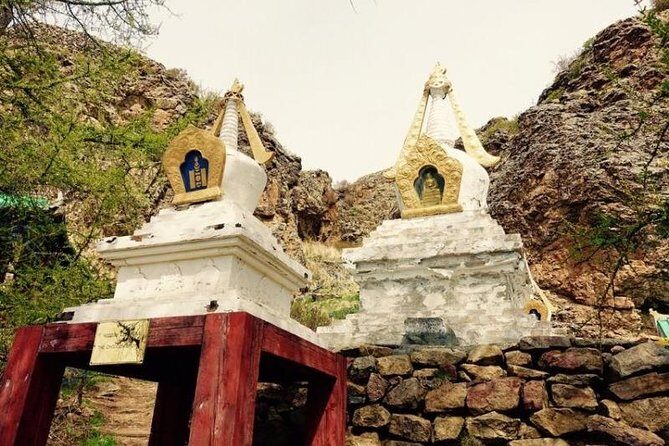
This is an 8-day itinerary designed to hit a lot of ground: Central Mongolia first, then deep into the Gobi, then back toward historic sites near Orkhon. That means the biggest day-to-day factor is driving time.
Day 1 is flagged as long due to road conditions, and Mongolia’s road surfaces can be uneven. That doesn’t make the trip bad—it just changes what you should pack. I’d plan for an early start, a day that feels like travel plus one main stop, and a few evenings where you’ll be glad to sit down.
The meeting point is at Danista Nomads, Orkhon Street 1-37, BGD – 16 khoroo, Ulaanbaatar 16040. The tour ends back at the same meeting point, so you’re not dealing with a complicated open-ended finish.
Also, there’s mobile ticket support listed. That’s a small thing, but in a country where documentation is part of the travel rhythm, it reduces friction.
Day 1: Tsagaan Suvarga Mine and the Story in Limestone
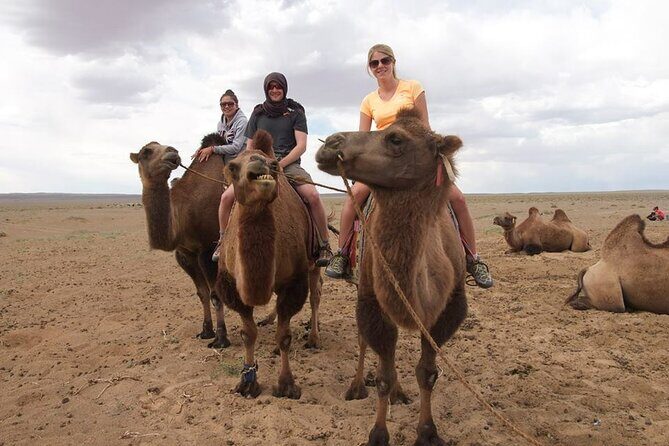
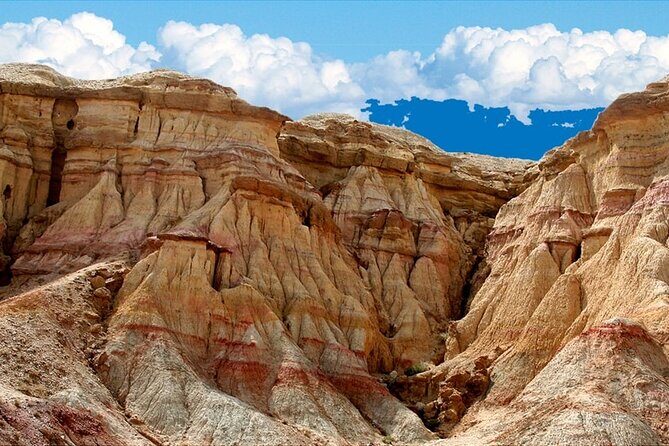
Your first stop is Tsagaan Suvarga—a colorful limestone formation described as 30–60 meters high and about 400 meters long. What makes this stop more than a photo stop is the geologic story: it’s noted as a former ocean bed, and visitors find marine material there.
In plain terms, this is Mongolia teaching you how to look. You start noticing rock layers, color changes, and the way erosion carves shapes into the hills. If you like geology, you’ll enjoy this more than the average “stand and snap” stop.
Drawback to expect: because the day is described as longer due to road conditions, you may arrive ready to move but not ready to wander for hours. So wear shoes you can walk in comfortably and be ready for a mostly drive-and-explore day.
Day 2: Gobi Gurvansaikhan National Park and Yolyn Am Gorge
On Day 2 you head to Gobi Gurvansaikhan National Park and focus on Yolyn Am, also called Lammergeier Valley. This is a deep, narrow gorge in the Gurvan Saikhan Mountains in southern Mongolia.
Even with limited details here, the setting tells you what to expect: a gorge means cooler air than the open steppe, and narrow walls change the light. It’s also the kind of place where you’ll likely want to hike a bit, not just view from a single angle.
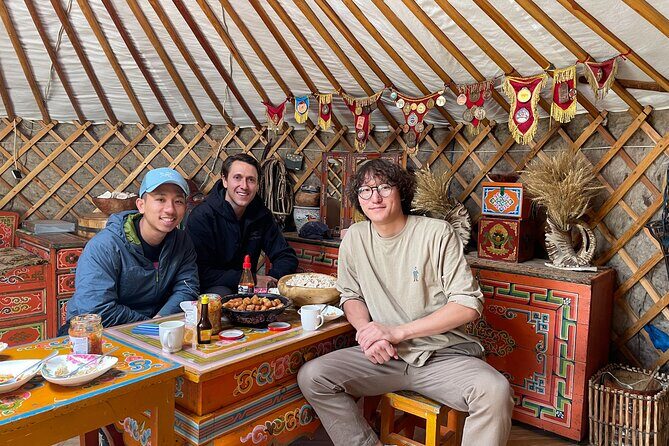
The day notes that you’ll start after breakfast with a ger hostel, which fits the “road trip but culturally grounded” style of the tour. And this stop lists admission as free, so you’re not spending your energy on ticket math.
One consideration: gorges can mean more uneven ground. Bring footwear with grip, and pack a light layer. If you’re sensitive to temperature swings, this day can feel colder than the open desert you might expect from the Gobi.
Day 3: Khongoriin Els Singing Dunes (Hongorïn Els)
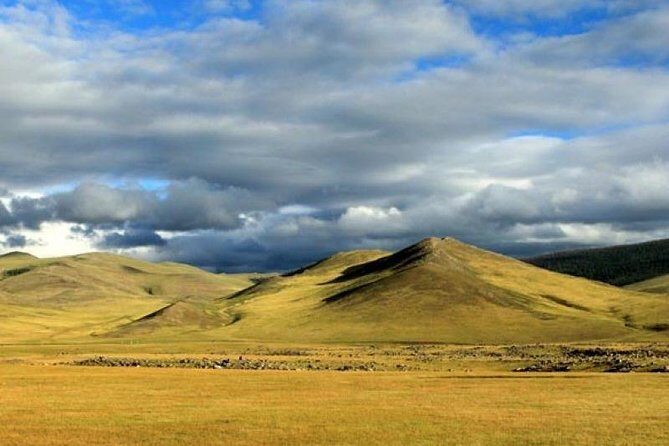
Day 3 takes you to Hongorïn Els, also known as Khongoriin Els—the “singing dunes.” You’re told they’re the largest sand dunes in Mongolia, with details like about 200 meters high and roughly 12 kilometers wide.
This is the day for sand time: walking, climbing to viewpoint ridges, and feeling how wind shapes a dune field. If you’re only going to spend a single day in a dune landscape, this one matters because the size and reputation are built in.
If there’s a possible drawback, it’s simple: sand is tiring. Even if you don’t go far, you’ll work harder than you think. Plan to hydrate, keep your pace easy, and bring something to protect from wind and grit.


Day 4: Bayanzag Lunch and Ongi Monastery Ruins
Day 4 starts with lunch in Bayanzag and then drives to Saikhan Ovoo for Ongiin khiid (Ongi Monastery ruins), described as an active small monastery with a temple structure mentioned in the itinerary text.
Here’s why this stop feels different from the dunes and gorges: monasteries in Mongolia aren’t just scenery. They’re part of how people interpret the land. Ongi Monastery ruins, paired with the name “active small monastery,” suggests you’ll see a living spiritual site rather than only a dead ruin.
The itinerary lists admission as free and gives a clear day length of about 8 hours, so it’s not a quick drive-by. Still, expect a mix of road time and time on-site.
A practical tip for this day: monasteries are often cooler and quieter than you expect. If you’re photographing, bring a camera strap that’s comfortable for walking, and keep your pace steady so you can enjoy the stillness.
Day 5: Orkhon Waterfall and the Ulaan Tsutgalan River
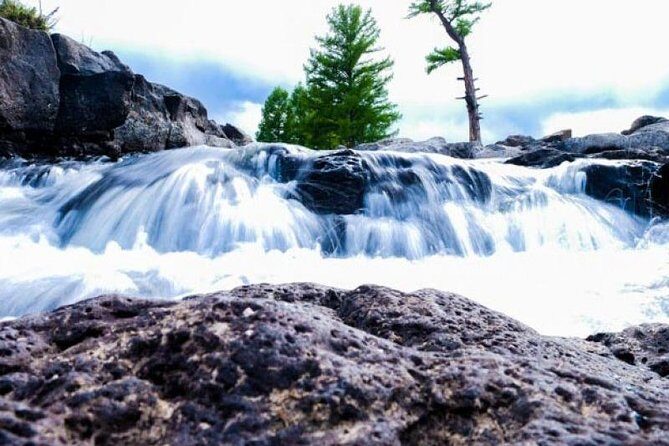
Day 5 moves from desert drama to a water feature: Orkhon Waterfall near the Orkhon/Ulaan Tsutgalan River. It’s described as about 20 meters high and roughly 10 meters wide, and it’s framed as a popular tourist destination.
This is a great “reset” day. After several days of sand and rock, water gives your body a different rhythm. You’ll likely enjoy the sound of running water and the way greenery and cool air tend to show up around rivers (even if you don’t have a lot of time for long hikes).
The itinerary notes admission included and a day length of about 12 hours. So again, think drive + one main natural stop, then call it a day.
My only caution: waterfalls can still be slippery around the edges. Keep your footing in mind and avoid pushing for close-up photos where the ground looks unstable.
Day 6: Orkhon Valley Rest Day with Walking and Horse Ride
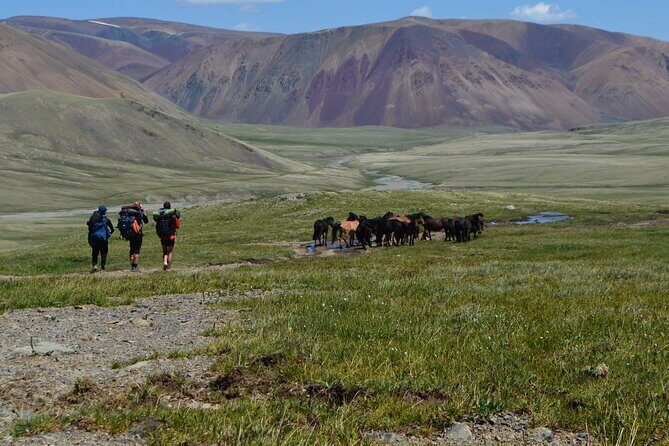
Day 6 is labeled as a rest day, and that’s not marketing fluff—it’s built into the plan. You spend time walking along the river and you also get a horse ride.
This is where you get the “Central Mongolia feel” more than the famous landmarks. River walking is a chance to slow down: watch how the river bends, how the banks look, and how people move through the countryside.
Horse riding is a highlight listed in the overall tour features, and its placement here makes sense. You’ll be tired in a good way, and the setting suits a calmer ride compared to sand days.
Even as a rest day, you’ll still be on a schedule. Wear something you can move in, and plan your energy: walking first, then a ride if the timing allows.
Day 7: Erdene Zuu Monastery and Kharkhorin, the Old Capital
Day 7 brings two major historical stops: Erdene Zuu Monastery and Kharkhorin.
Erdene Zuu Monastery
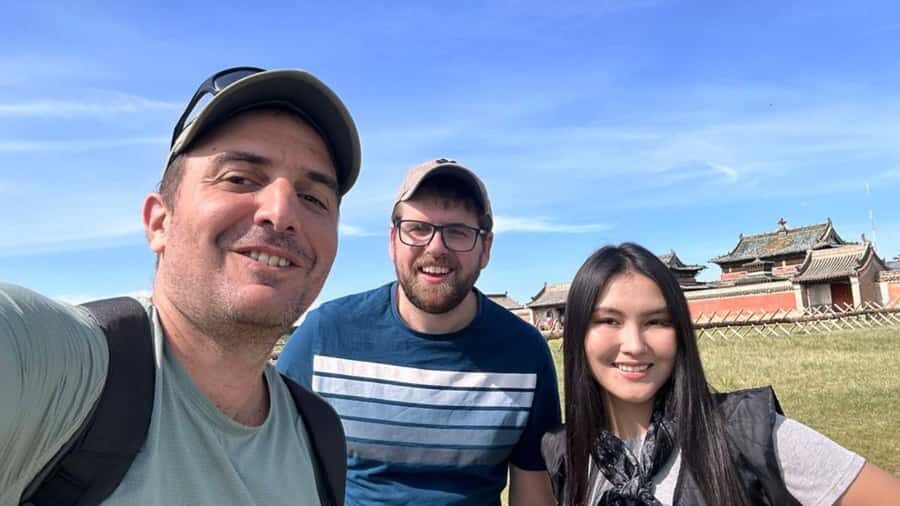
Erdene Zuu is described with specific background: Abtai Sain Khan, the grandfather of Zanabazar (the first Bogd), ordered the monastery’s construction in 1585 after meeting with the 3rd Dalai Lama and declaring Tibetan Buddhism. That’s a lot of context, and it matters when you’re standing in the place—because it helps you see the monastery as a political and spiritual landmark, not only a set of buildings.
Admission is included and the site time is about 2 hours. In that window, focus on details you can actually absorb: how the structures are arranged, what you can read from patterns and walls, and how the site sits in its surroundings.
Kharkhorin
After Erdene Zuu, you visit Kharkhorin, described as an old capital area, with about 1 hour planned and admission free.
This pairing is smart: monasteries are powerful, but old capitals are where you understand scale and history at ground level. Even if you don’t get to do long museum-style time, you’ll get a sense of why this region keeps showing up in Mongolian history.
Day 8: Elsen Tasarkhai and Ovgon Monastery in Hustnu Khan Country
Day 8 finishes with Elsen Tasarkhai and then Ovgon Monastery in Hugnu khaan National Park.
Elsen Tasarkhai is mentioned as the first stop, and the itinerary frames the day as shorter: about 1 hour for the stop cluster, with admission included. That tends to mean a “visit, take it in, then wrap up” final day—no endless driving late in the trip.
Ovgon Monastery adds that last layer of Mongolia’s spiritual side to the trip. After dunes, gorges, and horses, it’s a good end point because it grounds everything back in places where people have long paid attention to the land.
A good mindset for your final day: don’t cram. Use the time for slower looking and a few tidy photos.
Food on the Road: What the Included Meals Mean for You
You’re told meals are included like this: lunch (8), breakfast (7), dinner (6). That means the tour is built to keep you fed across almost the entire itinerary, with dinner included on most days.
For you, that reduces two stresses:
- You don’t have to hunt for food between stops.
- You don’t lose time negotiating what’s available when driving runs long.
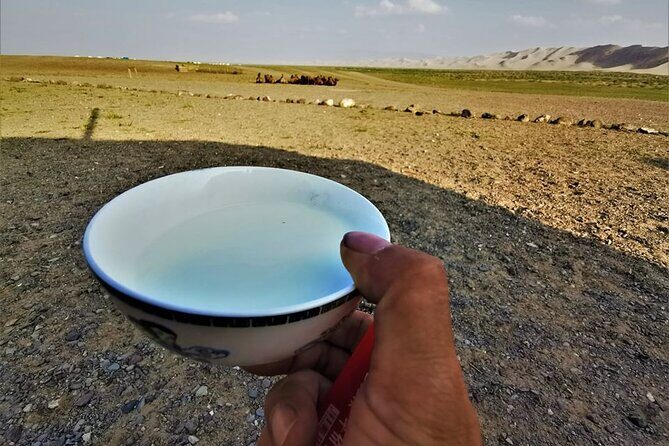
One thing to expect: meals may not match what you’re used to at home. But the tour description also says they help you experience local Mongolian food, so the plan seems aimed at cultural taste, not only filling you up.
Also, alcoholic drinks and snacks are not included, and insurance is not included. If you need medication snacks, bring them with you so you’re not forced to make choices on the fly.
Who This Tour Fits Best
This tour fits best if you want:
- A fast, structured way to experience Central Mongolia plus major Great Gobi sights.
- A mix of scenery and culture: dunes and gorges, plus monasteries like Erdene Zuu.
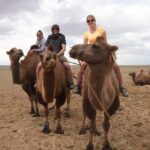
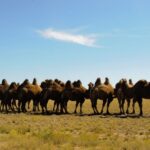
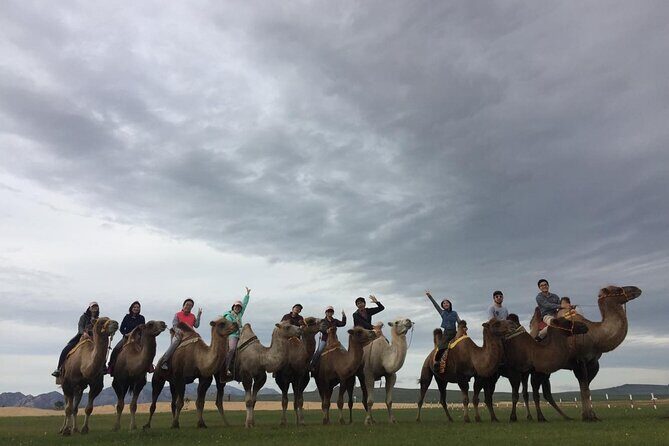
- Outdoor time that includes horse riding and camel riding (listed as features) plus hiking.
It may not fit if you’re trying to travel ultra-slow, hate long drives, or want lots of free-form wandering without a schedule. The itinerary is designed to keep moving.
If you’re traveling with kids or a family, the experience description includes helpful service and the reviews mention support when traveling with a minor age child—so it can work, but you should still evaluate your family’s tolerance for road time.
Book It or Skip It?
I’d book this tour if you want Mongolia in one concentrated punch: geology, sand, spiritual sites, and real-life countryside moments, all planned for you. The fact that meals are included on most days, plus admission is covered for several stops, makes it easier to budget and less stressful to manage.
I’d think twice if you’re very sensitive to bumpy roads and long driving days. If that’s you, look for a slower itinerary with fewer total stop-to-stop transitions.
The deciding detail for many people is the mix: Gobi highlights plus Central Mongolia history. If that combination sounds like your kind of trip, this 8-day route is a strong pick.
FAQ
How much does the 8 Day Great Gobi and Central Mongolia tour cost?
The price is listed as $1,480.00 per person.
What is the duration of the tour?
It’s listed as 8 days (approximately).
Is pickup included, and where does the tour start?
Pickup is offered, and the tour meets at Danista Nomads on Orkhon Street 1-37 in Ulaanbaatar. The tour ends back at the same meeting point.
What meals are included?
Lunch is included for 8 days, breakfast for 7 days, and dinner for 6 days. Alcoholic drinks, tips, and snacks are not included.
Are admission tickets included?
Admission tickets are included for some stops (for example Tsagaan Suvarga Mine, Orkhon Waterfall, Orkhon Valley, Erdene Zuu Monastery, and Elsen Tasarkhai), while other stops are listed as free (like Yolyn Am and Kharkhorin).
What happens if weather is poor?
This experience requires good weather. If it’s canceled due to poor weather, you’ll be offered a different date or a full refund.