Gobi sand, horses, and history in three days. This route is interesting because it stacks semi-Gobi nomad life with serious steppe scenery and two major culture stops, then tops it with the Genghis Khan Statue Complex. I especially like how you get real-time contact with how people live, not just a quick photo stop, and how the statue complex turns big Mongol legend into something you can actually walk around and explore.
The big plus for most people is the mix: Genghis Khan Statue Complex time with museums and art inside, plus dawn-to-dusk nature walks around Terelj. One thing to consider: it is a packed trip with long drive days and camp-style overnights, so you’ll want to be fine with a faster pace and changing conditions.
In This Review
- Key highlights you’ll feel on this tour
- The best way to fit Semi-Gobi, Karakorum, and Terelj into 3 days
- Semi-Gobi: nomad yurt life, livestock, and camel rides toward Zag
- A practical consideration
- Karakorum at night: camp dinner and a mountain-top city panorama
- One small drawback to expect
- Karakorum culture: Mongol-era museum stops and an active Buddhist monastery
- Don’t miss the travel pacing here
- Terelj National Park: Ariyapal meditation temple and Turtle Rock
- What to think about for the hike
- Horse riding and the Genghis Khan Statue Complex in one packed finale
- A quick reality check
- Price and logistics: is $518.20 worth it for your time?
- What to expect from the sleeping setup
- Who this tour suits best
- Should you book this Semi-Gobi, Karakorum, and Terelj tour?
- FAQ
- How long is the tour?
- What time does the tour start?
- Does the tour include pickup from my hotel?
- Where do we go during the trip?
- Do I get overnight accommodations during the tour?
- What activities can I expect?
- How big is the group?
- Is there free cancellation?
- What if the weather is bad?
Key highlights you’ll feel on this tour
- Nomad-family yurt lunch and a hands-on look at goats, sheep, horses, and camels
- Camel ride across sand dunes with views toward the Gobi tree called Zag
- Karakorum panorama hike after dinner, for an end-of-day city view
- A 13th-century museum and an active 16th-century monastery with monks offering prayers
- Terelj National Park walking time to the Ariyapal meditation temple and Turtle Rock
- Horse riding plus the full Genghis Khan Statue visit including indoor museums and galleries
The best way to fit Semi-Gobi, Karakorum, and Terelj into 3 days
This is a short tour, so you should expect a steady rhythm of driving, eating, and moving on. The upside is that you see a lot of Mongolia without spending your whole trip in transit, and you still get real time outdoors instead of only sitting in vehicles.
Because the day starts around 9:00 am and includes multiple long roads, you’ll get the most out of this if you travel light, stay flexible, and don’t need every moment to be slow and quiet. The group size tops out at 45, which usually keeps things from feeling private, but it also helps you meet other people without long waits.
Also, the trip includes pickup from your hotel area and uses a mobile ticket, which tends to make check-in easier once you’re in Ulaanbaatar mode. Just remember: fast starts mean you’ll want to be ready the night before.
You can also read our reviews of more tours and experiences in Ulaanbaatar.
Semi-Gobi: nomad yurt life, livestock, and camel rides toward Zag
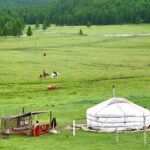
The first stretch is a long drive on mostly paved roads, with stops for coffee, bathrooms, and quick photo breaks. After about four hours, you swap traffic noise for open steppe air and meet a nomadic family connected to the semi-Gobi rhythm of life.
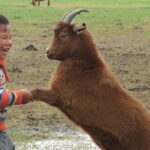
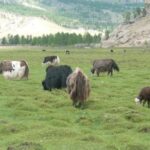
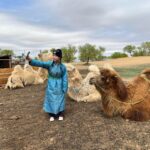
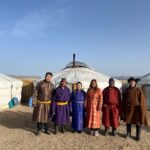
What makes this part valuable is that you’re not only watching from a distance. You’re introduced to daily routines in the yurt setting, then you get a practical look at livestock: goats, sheep, horses, and camels. If you like travel that gives you context, this is the kind of stop that helps the rest of Mongolia make sense. Livestock isn’t a background detail here—it is the whole system.
Lunch is prepared by the family in the yurt. That matters because it turns your time into an exchange instead of a transaction, and it gives you a simple, filling break before you move back into the scenery.
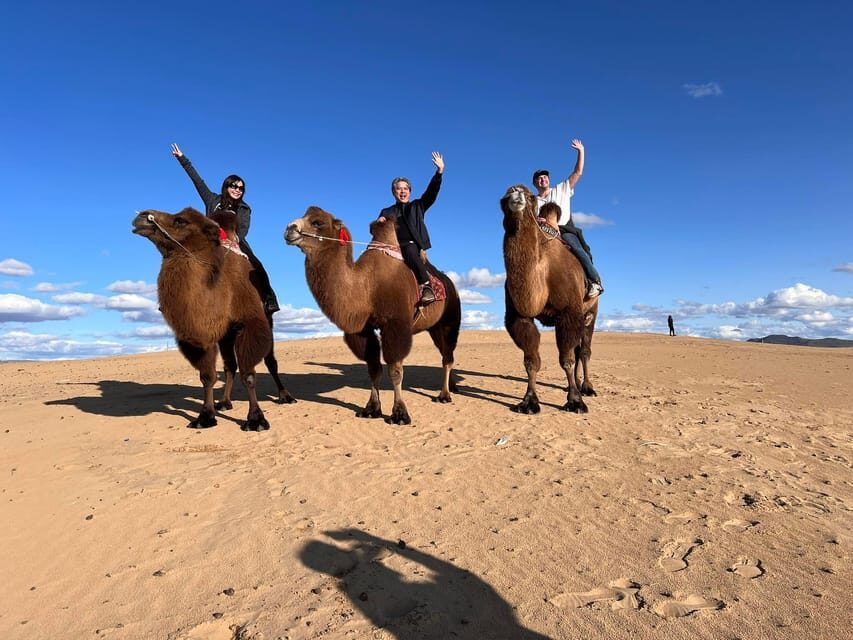
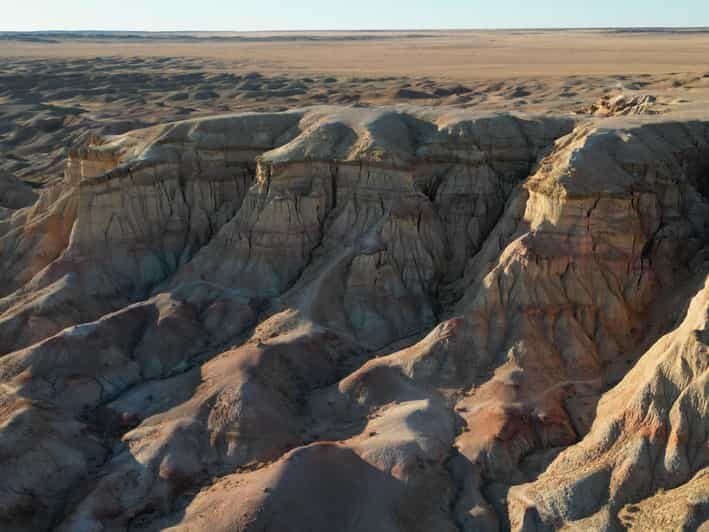
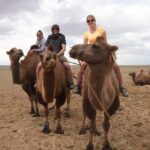
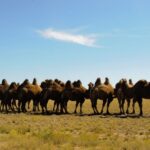
Then comes the camel ride over sand dunes, with sweeping views across the semi-Gobi and toward the Gobi tree called Zag. This is one of those moments where you’ll feel the scale of the terrain. It’s also a good chance to take photos in daylight before the day’s light shifts and the drive continues.
A practical consideration
Camel rides can feel bumpy, so if you have mobility issues or back sensitivity, plan for discomfort and ask your guide about what to expect before mounting up. Also, bring what you need for dust—your ride time can get gritty, especially if it’s dry.
Karakorum at night: camp dinner and a mountain-top city panorama
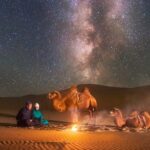
After the nomad time, you head toward Karakorum, the ancient city area you’ll recognize from how Mongol history is tied to the broader empire story. Dinner happens at camp, and it’s a traditional Mongolian meal that fits the setting—simple, filling, and served where you can actually enjoy the night air.
After dinner, you hike to get a panoramic view from higher up. This is not just sightseeing; it’s a way to understand scale. When you look down at the city lights and outlines, Karakorum stops being just a name from history and starts feeling like a place that once mattered on the route of empires.
This evening plan is great for travelers who love sunsets and nighttime views, but it does mean you should wear shoes that handle uneven ground. If you’re someone who hates darkness walking, bring a calm attitude and follow the pace of your guide.
One small drawback to expect
After a full day and a long drive, the hike can feel like an extra step. If you’re prone to fatigue, slow down your pace and drink water early—your evening views are better when you’re not rushing.
Karakorum culture: Mongol-era museum stops and an active Buddhist monastery
The next morning starts with a breakfast at camp, then turns toward culture. You’ll visit local museums and monasteries, with stops framed around two time periods that shape Mongolian identity: Mongol Empire history and Buddhist religious practice.
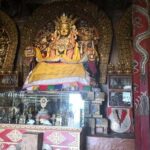
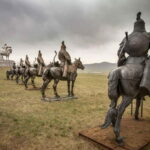
One highlight is the 13th-century museum, described as an important place tied to the Mongol Empire. Another key moment is the 16th-century Buddhist monastery, still active today. This isn’t a staged building closed to the public—it’s a functioning monastery where you can observe monks performing praises and offerings.
That distinction changes how you experience the space. You’re not just touring architecture; you’re seeing religion as a living routine. If you care about how people keep traditions alive, this stop is a strong reason to choose the tour even if your nature days are already “satisfied.”
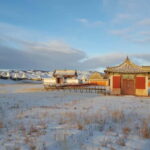
Architecturally, monastery visits in Mongolia often feel spare and meaningful—less about decoration, more about form and purpose. If you pay attention to how people move and behave respectfully inside, you’ll get more out of it.
Don’t miss the travel pacing here
After the culture stops and lunch, you’re in for a 5–6 hour drive toward Terelj National Park. So you’ll want to treat this day like a transition: history in the morning, nature in the afternoon.
Terelj National Park: Ariyapal meditation temple and Turtle Rock
Terelj National Park is where your trip shifts from history buildings to open, dramatic Mongolia. Upon arrival, you head out on a hike to the Ariyapal meditation temple.
The payoff here is twofold: walking time in the park and the viewpoint that comes with visiting the temple. You’re given a chance to enjoy the wider Terelj scenery while also stopping for a spiritual site experience. That mix is what makes this day feel complete, because it isn’t only about exercise.
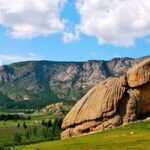
After that, you visit Turtle Rock. This is the kind of stop that works even if your energy is medium, because it’s a quick, memorable visual landmark. You can take in the shape, take photos, and still keep the day’s pace under control.
Dinner and overnight happen at camp inside the park area. This is a good time to reset, eat well, and prepare for the next day’s riding.
What to think about for the hike
A hike to a meditation temple sounds simple, but it can be uneven depending on conditions. Wear footwear you trust. And if you get winded, slow your breathing and take it one step at a time—you’ll still reach the viewpoint.
Horse riding and the Genghis Khan Statue Complex in one packed finale
Your final day starts with horse riding in one of the most spectacular places of Mongolia. Local horses are used, and local guides attend you the whole time besides your main guide, which helps keep the riding experience organized and safer than a free-for-all.
This is a major moment on the trip because it gives you a different relationship to the terrain. Sitting on a horse changes how you read the land—paths, distances, and viewpoints feel more connected than when you’re just driving past.
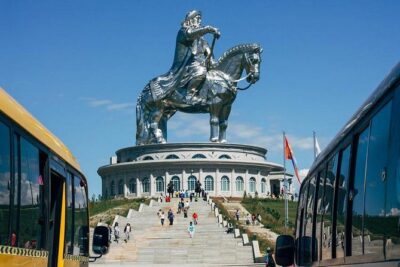
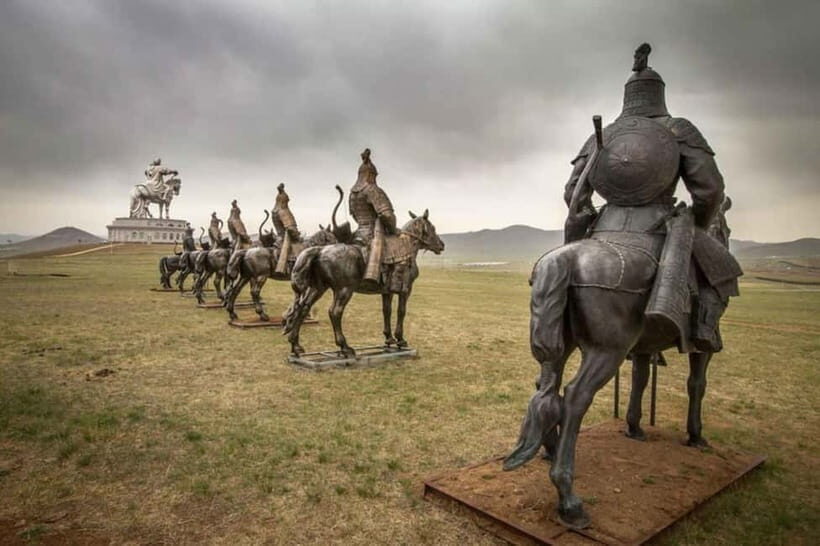
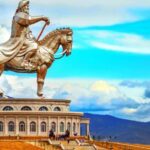
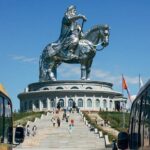
Then you head to one of Mongolia’s must-sees: the Genghis Khan Statue Complex. Even if you’ve already seen photos online, being there in person is different because of scale and the amount to do inside.
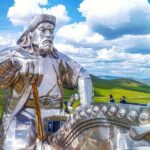
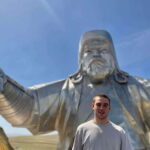
You can take a selfie with Genghis Khan on the top of the horse head. But the real value is that you can also visit museums and an art gallery located inside the complex. That turns the statue from a single-photo stop into a mini cultural visit, so the time feels more worthwhile.
After exploring the complex, you drive back to Ulaanbaatar and drop off at your hotel.
A quick reality check
This is the day when you’ll likely feel the whole trip in your body—sitting on a horse, walking in the complex, and then driving back. Plan for an easy evening after drop-off.
Price and logistics: is $518.20 worth it for your time?
At $518.20 per person for about three days, you’re paying for three things at once: transportation from Ulaanbaatar, multiple guided stops, and two nights in rural settings. That package value is especially good if you’re short on time and don’t want to coordinate separate bookings for semi-Gobi, Terelj, and a major monument.
Group discounts are included, and the max group size (45) suggests it’s designed for shared travel without being overly huge. Also, pickup is included, which saves you the hassle of meeting at remote locations or figuring out local transport on a tight schedule.
The trade-off for the price is time intensity. You’ll cover a lot of ground, and overnight conditions are “camp” or traditional yurt style rather than hotel comfort. From what I’ve seen with trips like this, the best value comes when you treat it like an experience, not like a comfort vacation.
What to expect from the sleeping setup
Overnights are part of the deal—two days overnight during the trip. The tour description points to traditional Mongolian yurt sleeping, and the overall expectation is camp-style lodging in rural areas.
If you’ve never slept in a ger/yurt before, the biggest adjustment is that it’s simpler than a hotel room. The comfort level can vary by location and setup, so go in with realistic expectations. The upside is that it’s part of the story here, not a boring add-on.
If you’re sensitive to temperature, bring warm layers. Mongolia can shift fast, and camp evenings often feel cooler than you expect.
Who this tour suits best
This is a strong fit if you want a high-impact Mongolia intro and you only have a few days. If you’re the type who likes a mix—nomads, animals, monasteries, and big national landmarks—this route hits those boxes quickly.
It also works well if you enjoy guided context. The monastery and museum stops are not just “look and leave.” They’re built to help you understand what you’re seeing.
If you’re someone who needs long, quiet afternoons with minimal walking, you might find the pace tiring. But if you’re okay moving at a steady speed and you want to feel like your days actually changed something, you’ll likely enjoy this.
One more note: there’s a critical report floating around that warns about planning problems. I can’t verify anything beyond that warning, so I recommend you do a simple sanity check after booking: confirm pickup timing, what’s included each night, and the order of stops with your provider.
Should you book this Semi-Gobi, Karakorum, and Terelj tour?
Book it if you want a most-wanted Mongolia sampler in a tight time window: nomad yurt life, camel and horse riding, monastery culture, Terelj hikes, and the Genghis Khan Statue Complex with museums and art. The structure is designed for people who want to say yes to movement and yes to learning, even with a faster schedule.
Don’t book it if you hate long drives, you need hotel-level comfort every night, or you want a low-stress itinerary with plenty of downtime. If that’s you, you’ll probably be happier with a slower region-focused itinerary.
If you’re on the fence, here’s the smart decision rule: if your top priority is seeing Mongolia’s big variety quickly, this trip makes sense. If your top priority is comfort and pacing, you’ll want something lighter.
FAQ
How long is the tour?
The tour runs for about 3 days.
What time does the tour start?
The start time is 9:00 am.
Does the tour include pickup from my hotel?
Yes, pickup from your hotel is offered.
Where do we go during the trip?
You visit semi-Gobi, the Karakorum area, Terelj National Park, and the Genghis Khan Statue Complex, with travel back to Ulaanbaatar at the end.
Do I get overnight accommodations during the tour?
Yes. The trip includes 2 days of overnight stays at traditional Mongolian yurt and camp settings.
What activities can I expect?
You’ll have a camel ride in the semi-Gobi area, a hike for views around Karakorum, walking time in Terelj National Park (including Ariyapal meditation temple and Turtle Rock), horse riding, and visits inside the Genghis Khan Statue Complex.
How big is the group?
The tour has a maximum of 45 travelers.
Is there free cancellation?
Yes. You can cancel up to 24 hours in advance for a full refund.
What if the weather is bad?
This experience requires good weather. If it’s canceled due to poor weather, you’ll be offered a different date or a full refund.