REVIEW · ULAANBAATAR
Mini Gobi and the ancient capital Kharkhorin – 4 days
Book on Viator →Operated by Epic Mongolia Tour · Bookable on Viator
Sand dunes and ancient empires in one sweep. This Mini Gobi and Kharkhorin trip strings together nomad family life, UNESCO-class history, and gobi-style scenery in just four days.
I especially like how the days balance action and calm: walking the Elsen Tasarkhai dunes, then switching gears to monasteries, museums, and river valley history. You also get real time around nomads—staying in their extra ger, seeing yaks and other animals, and even tasting dairy products.
One consideration: it’s weather-dependent. The tour requires good conditions, and you’ll be doing walking and riding in more remote, uneven terrain.
In This Review
- Key highlights at a glance
- Mini Gobi and Kharkhorin: what this 4-day route really delivers
- Day 1: Elsen Tasarkhai dunes and a nomad family you can actually meet
- The extra ger stay: why it matters more than the words
- Day 2: Kharkhorin and Erdene Zuu—turning the Silk Road into a place
- Orkhon Valley: why the river setting is more than pretty photos
- Day 3: Khogno Khan Uul National Park and another nomad introduction
- Day 4: Bactrian camel riding, a lake near Khugnu Khan, then back to Ulaanbaatar
- Price and logistics: is $596 per person good value?
- Who this tour is best for (and who should skip it)
- My booking advice: how to pick the right moment
- Should you book Mini Gobi and Kharkhorin?
- FAQ
- What time does the tour start?
- How long is the Mini Gobi and Kharkhorin tour?
- How large is the group?
- Is pickup offered from Ulaanbaatar?
- What meals are included?
- What riding is included?
Key highlights at a glance
- Mini Gobi at Elsen Tasarkhai: dune photos plus a hiking window after lunch
- Kharkhorin’s historic center: time at Erdene Zuu and a local museum in the ancient capital area
- Orkhon River Valley UNESCO area: a full chunk of scenic, historically tied river valley time
- Khugnu Tarna / Khogno Khan Uul National Park: a mix of mountain setting and nomad introductions
- Bactrian camel riding: about an hour, plus a lake visit near Khugnu Khan
- Small group feel: max 10 travelers, plus pickup offered and a comfortable vehicle with English-speaking support (based on past service notes)
Mini Gobi and Kharkhorin: what this 4-day route really delivers
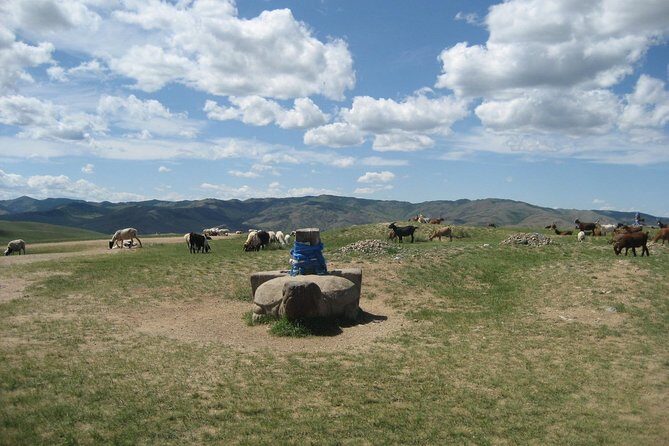
This is the kind of Mongolia trip that helps you understand the country with your senses, not just a checklist. You start with dune heat and silence in Mini Gobi, then you shift into the deep historical spine of Mongolia at Kharkhorin and along the Orkhon valley.
What makes it feel good for planning is the structure. Each day has a clear “why you’re there” moment—sand dunes and nomads, then monasteries and ruins/history, then a national park setting with another nomad encounter. You’re not just driving from one named place to another. You’re getting the contrast that makes Mongolia memorable.
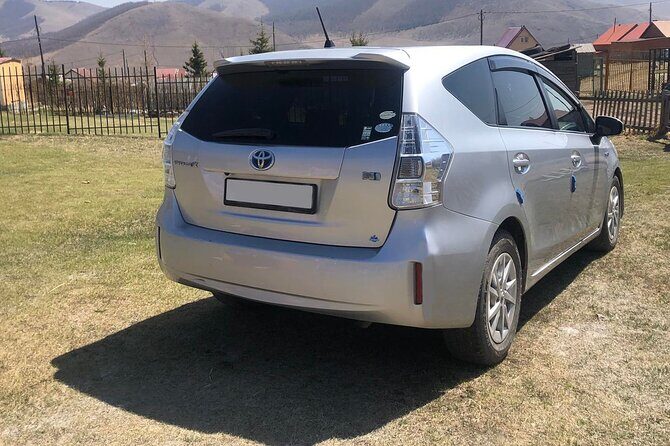
And there’s a service angle worth mentioning. Past guests highlighted strong coordination and a driver who stayed attentive and caring, plus a comfortable car and good English. That matters in Mongolia, where roads and timing can be unpredictable.
A few more Ulaanbaatar tours and experiences worth a look
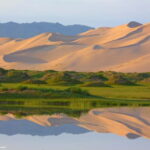
Day 1: Elsen Tasarkhai dunes and a nomad family you can actually meet
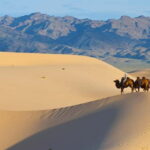
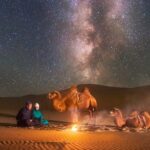
The first day points you straight at what the trip is calling Mini Gobi: Elsen Tasarkhai sand dunes. This is where you’ll walk among the dunes for photos, then come back for a longer hiking stretch.
This isn’t just “view from the road.” You’re moving through the dunes, which changes how you experience the place. Up close, sand isn’t abstract. It’s texture, color shifts, and light that makes every ridge look different.
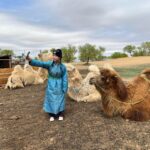
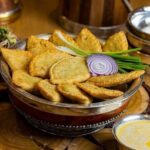
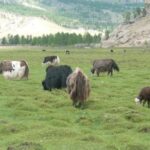
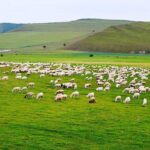
After the morning dune time, you’ll visit a nomad family and see daily life from the inside. You’ll also taste dairy products, which is a simple but meaningful connection to how nomads turn local resources into daily staples. The overview also notes you’ll have a chance to see yaks and other animals—so this isn’t only a talk session.
Practical note for your comfort: the day mixes driving, walking, and a hike. Wear footwear that can handle sand and dust without drama. If your legs don’t love uneven ground, plan for slow steps and frequent breaks.
The extra ger stay: why it matters more than the words
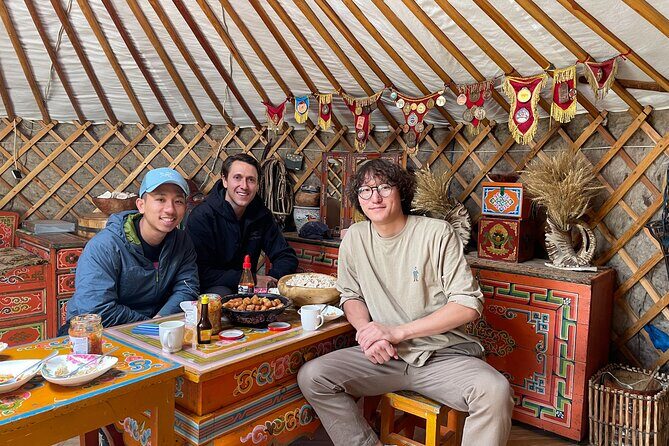
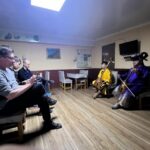
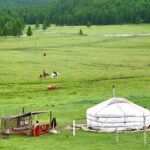
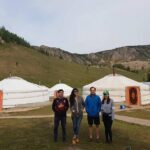
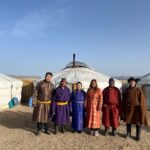
This tour’s biggest “value” isn’t a single monument. It’s the way it pairs scenery with daily living. The experience includes time with nomad families and staying in their extra ger (yurt).
That gives you something most quick Mongolia drives can’t: a rhythm. Meals, animal presence, conversation, and the simple fact that life is structured around weather, animals, and movement. Even if you only spend part of the day in that setting, the contrast is the point.
If you care about authenticity, this is where you’ll feel it most. You’re not just watching nomads from a distance; you’re being hosted—up to the limits of what the family allows.
Day 2: Kharkhorin and Erdene Zuu—turning the Silk Road into a place
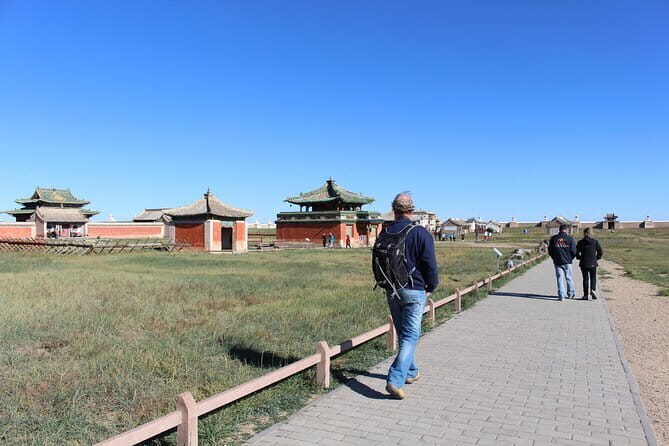
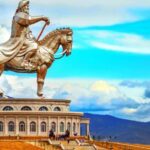
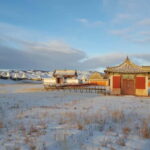
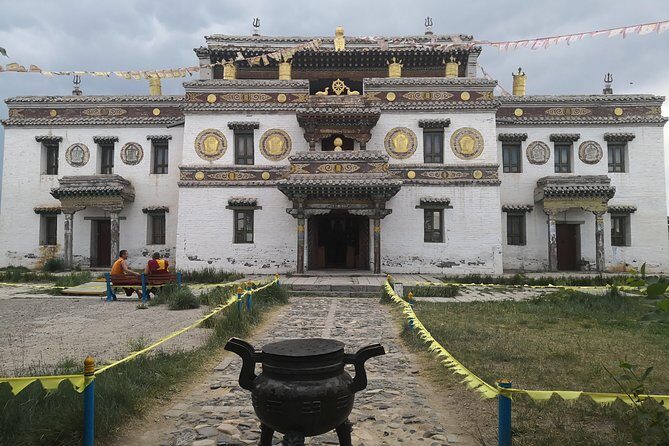
Day two shifts from dunes to history. You’ll drive to Kharkhorin, the ancient capital tied to the 13th-century Mongol Empire. This isn’t presented as a vague “old city” stop. The trip’s framing highlights Kharkhorin as a political, economic, administrative, and religious center—and a key hub that linked to world trade patterns on the Silk Road.
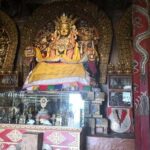
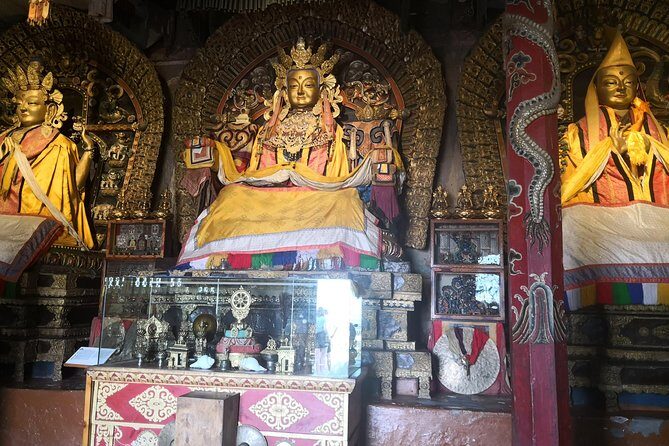
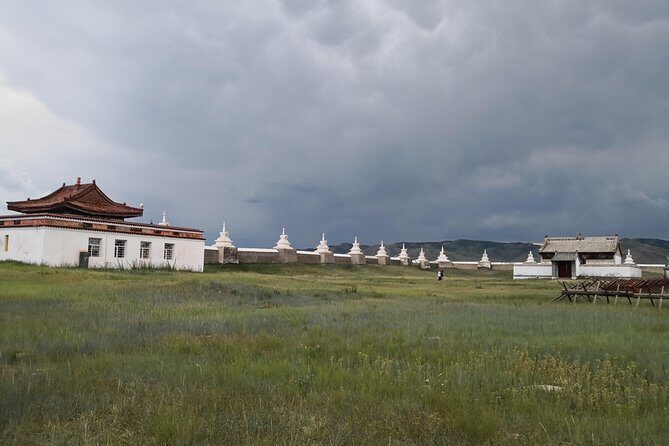
At Kharkhorin, you’ll visit Erdene Zuu Monastery (Hundred Treasures) plus a local museum. This combination is smart: the monastery gives you the spiritual and architectural anchor, while the museum helps you place what you’re seeing into a larger story.
A drawback to keep in mind: museum time and walking through historic sites can feel slow if you expected more “outdoor Mongolia” on day two. But if you like context—why a place mattered—you’ll likely enjoy the pacing. This is the day where history changes from dates to locations.
Then, after lunch, the tour moves to the Orkhon River valley, a UNESCO World Heritage area for its historical value linked to the Great Mongolian Empire. The schedule leaves you with a full block of time (and says tickets are free for this stop), so you’re not rushing past it like a drive-by.
Orkhon Valley: why the river setting is more than pretty photos
The Orkhon River valley time is where Mongolia’s “tough geography” becomes readable. A river valley is practical: water, grazing land, and a natural line that shapes settlement.
The tour describes it as picturesque, which it is—but the real payoff is the UNESCO context. When you know a place ties directly to imperial history, you’ll tend to look differently. You’ll notice how the terrain channels movement and why certain centers could grow where they did.
If you’re sensitive to long driving days, this is one to plan around mentally. You’ll likely spend more time in transit than on the dune day, then switch to sightseeing and a broader valley feel.


Day 3: Khogno Khan Uul National Park and another nomad introduction
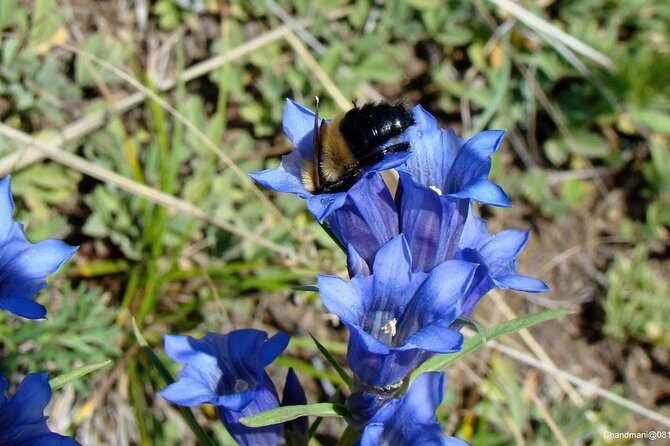
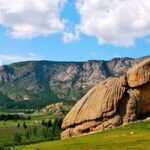
Day three takes you to Khugnu Tarna / Khogno Khan Uul National Park. The schedule notes it’s a unique setting with many different forms of terrain, and you’ll spend time near the mountain area.
This is also when you meet another nomad family. The plan is an introduction to their lifestyle—an experience that builds on what you saw on day one, but with a different setting and different daily focus.
One thing I like about this structure is repetition with variation. You’re not doing “the same nomad talk” twice. You’re seeing how nomad life adapts to different landforms: dunes and sand dynamics on day one, then a mountain-national-park environment on day three.
If you’re the type who gets tired of too many animal photos, you may still enjoy this day because it’s paired with terrain. It’s easier to connect the dots when you can see where the lifestyle fits.
Day 4: Bactrian camel riding, a lake near Khugnu Khan, then back to Ulaanbaatar
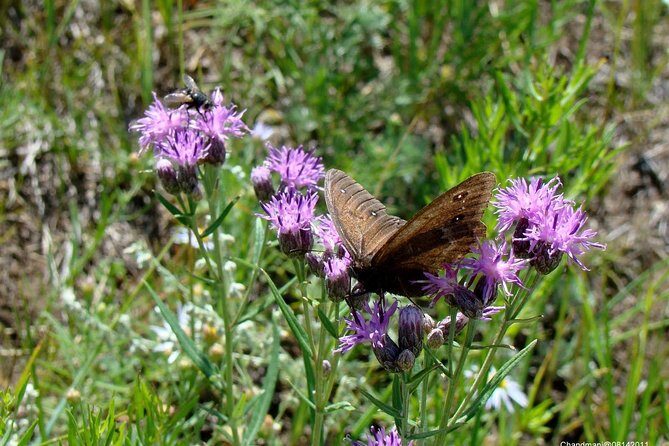
The last day is a classic Mongolia combo: animals, movement, and one more scenic stop before the return.
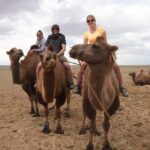
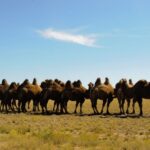
After breakfast, you’ll do about an hour of Bactrian camel riding. That’s not just a novelty. Camel riding in Mongolia usually gives you a different sense of balance and pace than walking or driving, and it’s well suited for a final-day memory-maker.
Then you’ll visit a lake near Khugnu Khan mountain. Even without a long stop-by-stop description, this kind of water-and-mountain location tends to feel like a clean closing chapter. You’ve been traveling through dry, historical, and rugged settings—this adds a softer visual marker before you head back.
After lunch, it’s the drive back to Ulaanbaatar. The day closes with less time for “one more hike,” so it’s a good idea to pace your energy on days one and three if you want to enjoy everything without feeling rushed.
Price and logistics: is $596 per person good value?
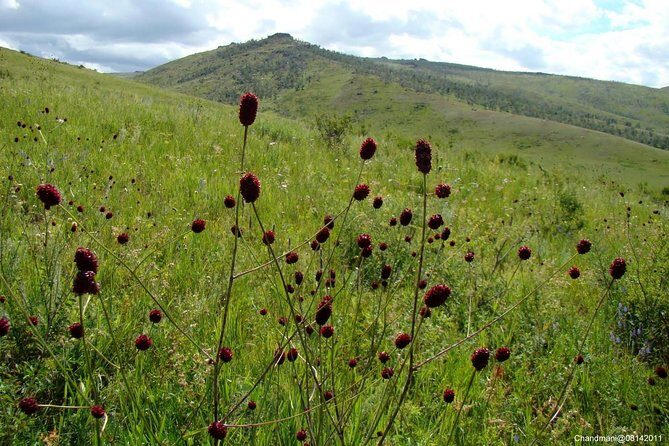
At $596 per person for about four days, this tour can feel like fair value once you look at what’s included.
You get:
- all fees and taxes
- meals built in (breakfast 3 times, lunch 4 times, dinner 3 times)
- admission coverage noted in the schedule (for example, Erdene Zuu is included)
- pickup offered
In remote Mongolia routes, food and entrance fees can add up fast. Having meals handled reduces “decision fatigue” when you’re tired after driving. And the tour includes multiple meal counts rather than a token breakfast.
Another value angle is group size. With a maximum of 10 travelers, you’re less likely to feel like a human in a queue. That also helps with smoother timing when the day involves animal encounters, walking, and museum visits.
The service notes from past guests also matter. Strong coordination and a caring, English-speaking driver with a comfortable vehicle can turn a long day into a manageable one. In Mongolia, that’s not fluff.
Who this tour is best for (and who should skip it)
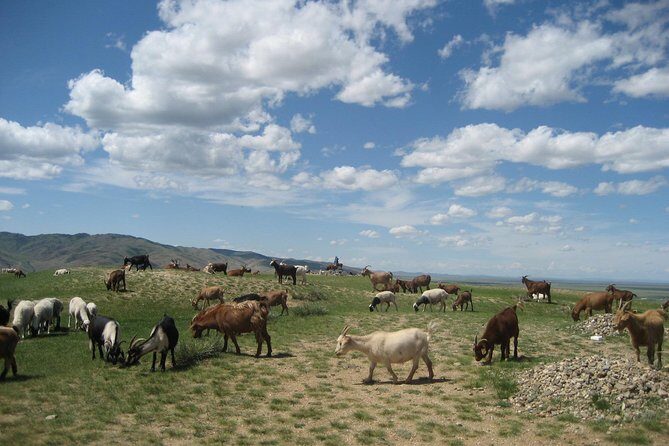
This trip fits you best if you want varied Mongolia in a short time: nomad life, dunes, monasteries, and UNESCO valley scenery—without bouncing through a dozen different towns.
You’ll probably enjoy it if:
- you’re comfortable with day-to-day driving and walking
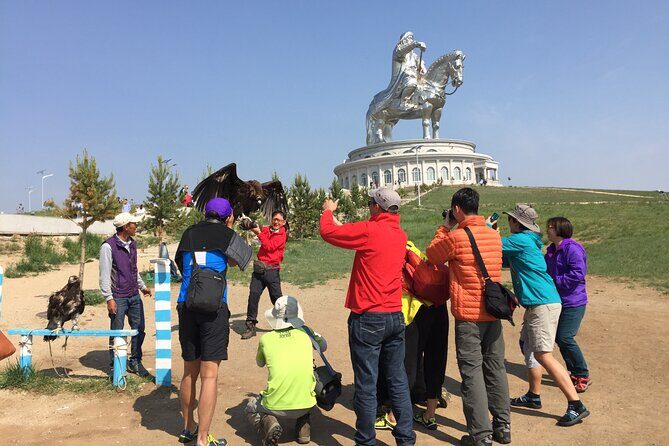
- you want animal encounters (yaks and other animals)
- you like history tied to real places, especially the Kharkhorin area and Orkhon valley
- you want at least one hands-on hosting moment in a ger
You might think twice if:
- you want only city comforts and minimal physical effort
- you’re trying to avoid riding experiences (camel riding is included in the plan)
- you’re very sensitive to weather changes, since the tour requires good weather
My booking advice: how to pick the right moment
This is a good trip to book when you can be flexible about timing. Since the tour requires good weather, you don’t want to plan it on a day when you’ll feel stuck if conditions shift.
It also helps to arrive ready for movement. The “Mini Gobi” day is walk-and-hike time, not a gentle stroll. And day three includes a national park experience with terrain variety.
If service matters to you, this provider has a track record of people praising the coordinator and driver. I’d still use that as a signal: choose a company that runs tightly and communicates clearly, because that’s how these remote itineraries stay enjoyable.
Should you book Mini Gobi and Kharkhorin?
Yes, if you want a compact Mongolia trip that mixes Mini Gobi dunes, nomad hosting in an extra ger, and major historic anchors like Erdene Zuu and the Orkhon River valley UNESCO area. The included meals, small group size, and noted service quality make it feel more “organized adventure” than “transportation with stops.”
Book it if you enjoy variety and don’t mind being active for part of each day. Skip it if your ideal Mongolia day is mostly sitting, short viewing time, and minimal terrain.
If you want one phrase to guide your decision: this tour is for people who want Mongolia to feel physical—sand underfoot, history in front of you, and animal life close enough to matter.
FAQ
What time does the tour start?
The start time is 9:00 am.
How long is the Mini Gobi and Kharkhorin tour?
It’s listed as 4 days (approx.).
How large is the group?
The tour has a maximum of 10 travelers.
Is pickup offered from Ulaanbaatar?
Yes, pickup is offered.
What meals are included?
Breakfast is included 3 times, lunch is included 4 times, and dinner is included 3 times.
What riding is included?
The schedule includes about one hour of Bactrian camel riding on the last day.