REVIEW · ULAANBAATAR
Gobi desert Mongolia for 8 days
Book on Viator →Operated by Package Tour Mongolia · Bookable on Viator
The Gobi is all angles and wind. This 8-day overland route strings together Dundgobi ruins with the Khongoryn Els singing dunes, then finishes with ger nights in desert villages, so the trip feels like a real circuit instead of a few photo stops. I love the way the route mixes rock formations, desert valleys, and massive sand, and I also like that meals and overnight ger stays are taken care of, which keeps your days calmer.
One thing to consider: this is active travel. You’ll be hiking to the top of the biggest dunes and spending long stretches on the road, so you’ll want a strong physical fitness level and patience for basic desert conditions.
In This Review
- Key Points Worth Your Attention
- Gobi Desert Road Trip: What the 8-Day Pace Really Means
- Starting in Ulaanbaatar at 8:00 am: Where Your Trip Begins
- Day 1: Baga Gazariin Chuluu Ruins Above Dundgobi
- Day 2: Tsagaan Suvarga’s East-Facing Cliff Wall
- Day 3: Yoliin Am in the Gobi Desert National Park
- Days 4 and 5: Khongoryn Els, Cold Springs, and the Singing Dunes
- Day 6: Bayan-Zag and the Flaming Cliffs Ger Night
- Day 7: Erdenedalai Village and Another Night in a Ger
- Day 4 to 7 Support Details: Guide, Horse Riding, Food, and Water
- Price and Value for $3,100: What You’re Actually Buying
- Who Should Book This Gobi Desert Tour (and Who Should Skip It)
- Should You Book This Gobi Desert Mongolia Tour?
- FAQ
- FAQ
- How long is the Gobi Desert Mongolia tour?
- Where does the tour start and end?
- What time does the tour start?
- What’s included in the tour price?
- Are meals included?
- Is UB accommodation included?
- Do I need to pay national park entrance fees?
- Is travel insurance included?
- How physically demanding is it?
- Is there a cancellation option?
Key Points Worth Your Attention
- Small group feel (max 12 travelers): easier pacing on dusty roads and more personal attention from the English-speaking guide/cook.
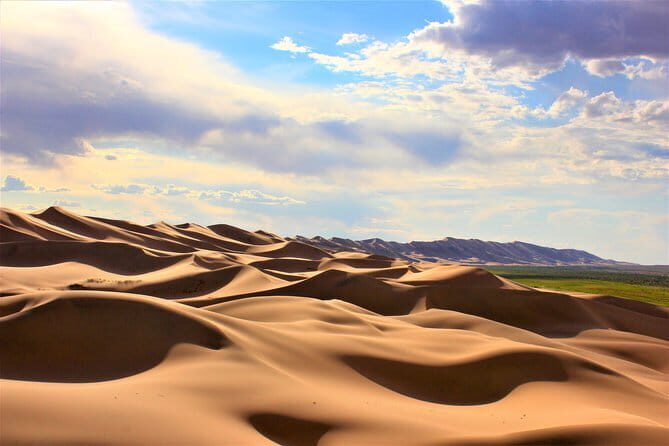
- Khongoryn Els singing dunes: hike up, then listen for the wind-made sound that gives the dunes their name.
- Protected Yoliin Am canyon: a strictly protected area in the Gobi Desert National Park with striking rocky walls.
- Ger nights in the desert: you’re not just driving through—overnights help you feel the nomadic rhythm.
- All meals plus daily water: 1.5L water per person and breakfasts/lunch/dinners reduce daily planning stress.
Gobi Desert Road Trip: What the 8-Day Pace Really Means
This tour is built around one big idea: you see the Gobi by moving through it. You’re in a 4WD vehicle for long drives, and you’ll feel the distances between sights more than you would on a city-based trip.
The good part is how the schedule works. With an English-speaking guide/cook, you’re not trying to figure out where to eat, when to buy snacks, or how to interpret each rock formation. And with a small group (up to 12), the day tends to run smoothly even when roads get slow.
You’re also getting daily structure: breakfast and lunch are listed each day, and dinner is listed for 7 days, which is a practical way to keep energy up for hiking and sand walking. Add 1.5 liters of drinking water per person each day, and you can pack smarter.
Still, you should expect “road time” to be a real part of the trip. If you’re hoping for lots of short, easy sightseeing without fatigue, you might find the driving days and the dune climb a tough fit.
You can also read our reviews of more tours and experiences in Ulaanbaatar.
Starting in Ulaanbaatar at 8:00 am: Where Your Trip Begins
Your meeting point is in Ulaanbaatar at the City Government area (CHD – 1 khoroo, Ulaanbaatar 15160). The tour starts at 8:00 am, and it ends back at the same meeting point.
That matters because you’ll likely want a calm morning before pickup. Plan to arrive with enough time to check in, and treat the first day like your warm-up for a week of desert travel rather than a normal city day.
Also, note what’s not included: accommodation in Ulaanbaatar is not part of the price. So you’ll still need to handle one (or more) UB nights yourself before the tour begins.
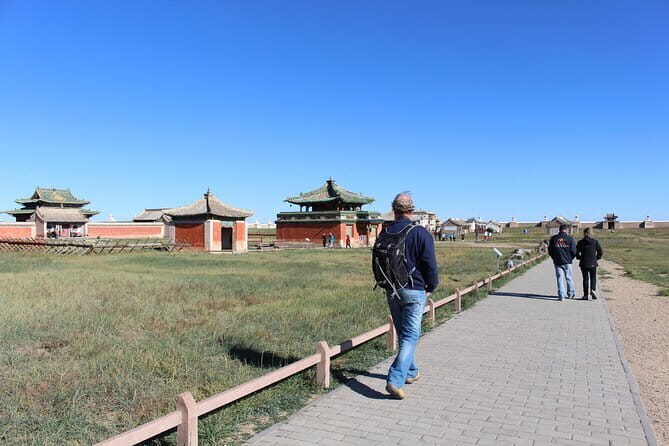
Day 1: Baga Gazariin Chuluu Ruins Above Dundgobi
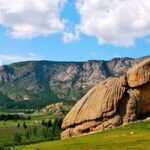
Day 1 is mostly a drive—about 10 hours—to the Baga Gazariin Chuluu ruins. This is a granite stone mountain area, listed at 1,768 meters high, in Adaatsag soum in Dundgobi aimag.
Why I think this start works: ruins in the Gobi feel different than ruins near a city. Here, the rock and the empty space are part of the story. You’re seeing geology and weather shaping the ground, which makes the site feel more “earned” than just scanned from a viewpoint.
The possible downside is straightforward. After a long road day, you may not want anything too strenuous, and your energy could be lower than you expect. I’d plan to take it slow once you arrive, focus on the scenery, and save heavy effort for later days when your body adjusts.
Day 2: Tsagaan Suvarga’s East-Facing Cliff Wall

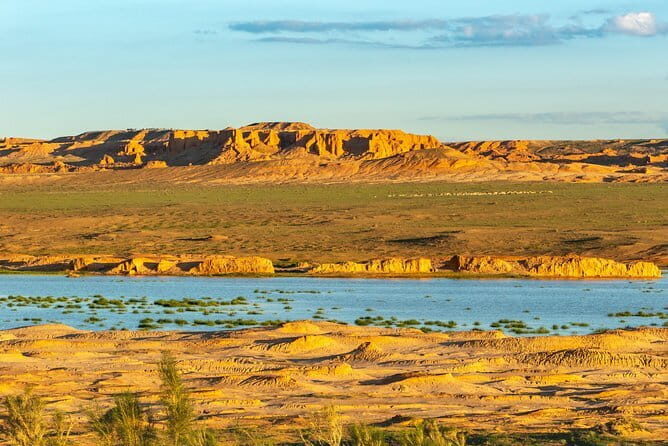
On Day 2, you head to the Tsagaan Suvarga scarp in Ulziit soum, Dundgobi province. The description is specific: an east-facing sheer slope about 30 meters high and 100 meters wide.
This kind of cliff is worth it because it’s a natural “time machine.” Wind, water, and erosion carve shapes that look intentional, even when they’re just geology doing its job. With an English-speaking guide, you should be able to connect what you see to the larger regional story.
Practical tip: bring layers. Even in desert travel, mornings and evenings can feel cooler, and you’ll be outside at stops.
The only real caution here is that cliff stops often mean standing and walking on uneven ground. Wear shoes that grip well and won’t get ruined by dust.
Day 3: Yoliin Am in the Gobi Desert National Park
Day 3 takes you to Yoliin Am, in the middle of the Gobi Desert National Park. It’s described as a strictly protected area covering about 70 square kilometers, with the mountains here among the highest in the Gobi and rocky scenery that’s visually intense.
What makes this stop special is the setting. A protected canyon-like area tends to create drama: walls, shadows, and rock textures that change as you move. It’s the kind of place where you can spend time simply watching how the ground holds the light.
Another plus is the variety. After Day 1’s granite ruins and Day 2’s tall cliff face, Day 3 shifts to a tighter, more rugged environment. That pacing helps you stay interested through the week rather than repeating “more rocks, more photos.”
If you’re sensitive to cold in sheltered canyons, be aware you might encounter cooler air than on open dunes. The itinerary doesn’t specify temperatures, so layer up and be ready to adjust.


Days 4 and 5: Khongoryn Els, Cold Springs, and the Singing Dunes
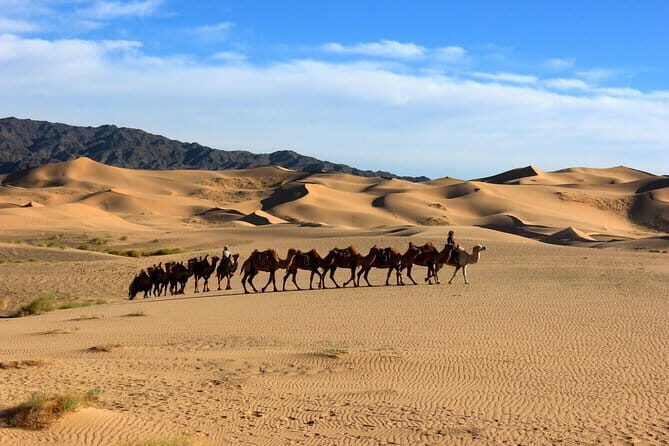
Day 4 drives about 195 km to Khongoryn Els sand dunes. This area is described as some of the largest and most spectacular sand dunes in Mongolia, and the stop includes mention of a cold water spring.
That spring detail is more than trivia. In desert travel, water points and natural features make the dunes feel alive, not just scenic. You’re more likely to feel you’re experiencing a place where people could have survived, even if the modern trip is fully supported.
Day 5 is the big active day: you climb and hike to the top of the biggest dunes. You’ll also have an oasis near Khongor creek at the northern edge of the dunes, which adds variety beyond the “all sand” look.
Now for the title-worthy feature: the dunes are called Singing Dunes because they can make sounds like a plane engine in windy conditions. You’re not guaranteed the sound on every day, because wind is seasonal and weather-dependent, but the name tells you the dune experience isn’t just visual.
Practical reality check: walking on sand is work. Even if the hike isn’t long on a map, the sand makes it slow. Bring breathable clothes, protect your eyes from dust, and plan to move at your own pace once you start climbing.
Day 6: Bayan-Zag and the Flaming Cliffs Ger Night
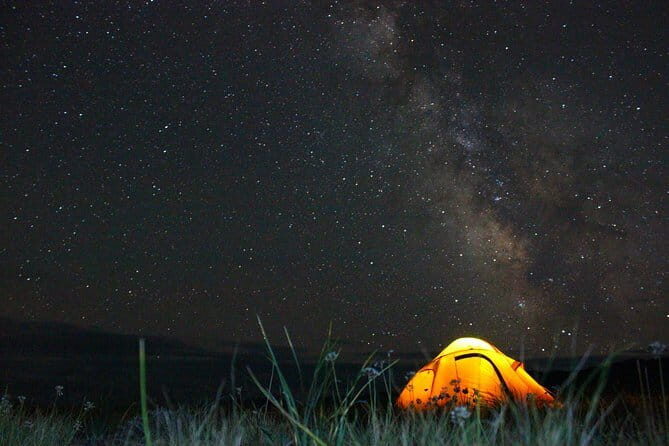
On Day 6, you drive about 150 km to Bayan-Zag. You stay overnight in a ger there.
Bayan-Zag is described as meaning rich in saxaul shrubs, and it’s commonly known as the Flaming Cliffs. It’s also noted as being famous for major fossil discoveries, which makes this more than just a pretty stop.
Why this works late in the trip: by Day 6, you’ve already seen how wind shapes rock and sand. So when you reach a place known for fossil finds, the scenery suddenly feels scientific. You’re not just looking at shapes—you’re seeing how deep time has left evidence on the surface.
Ger stays are often where this tour earns its value. You get an overnight that makes the desert feel like home for a night, not just a place you pass through.
A consideration: bring a plan for comfort. The itinerary includes your ger accommodation, but it doesn’t list upgrades like hot showers or premium bedding. If you want modern comforts all the time, this kind of desert overnight may challenge your expectations.
Day 7: Erdenedalai Village and Another Night in a Ger
Day 7 drives you to Erdenedalai village, where you stay overnight in a ger. This part is about people and place, not just scenery.
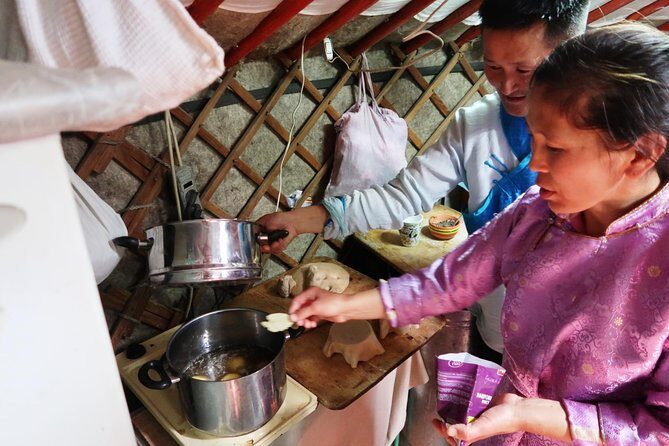
Even without extra cultural stop details in the itinerary, a village night changes the feel of the trip. You get a slower rhythm. You’re likely to notice how desert daily life connects to the landscape—water, shelter, and how everything is planned around weather.
If you want your photos to include more than just dunes, this is the day to shift your focus. Look at hands, tools, and daily routines if you’re invited to observe.
Just remember: you’re a guest in a small setting. Keep noise low at night and follow whatever guidance your guide gives you.
Day 4 to 7 Support Details: Guide, Horse Riding, Food, and Water
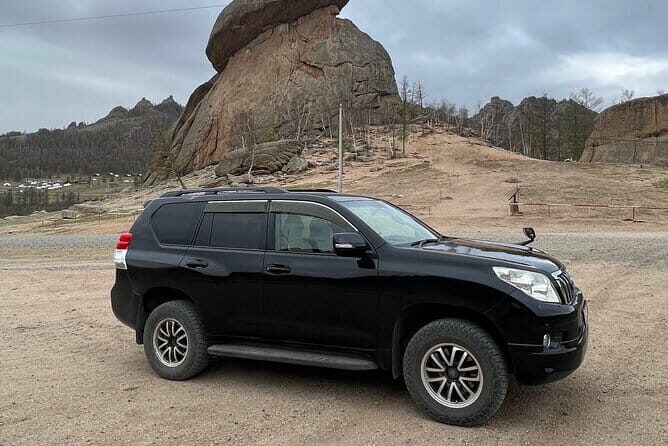
The tour includes an English-speaking tour guide/cook, plus driver + 4WD vehicle + gas. That combination matters because it reduces the common “desert travel headache” of juggling transport, finding food, and interpreting what you’re looking at.
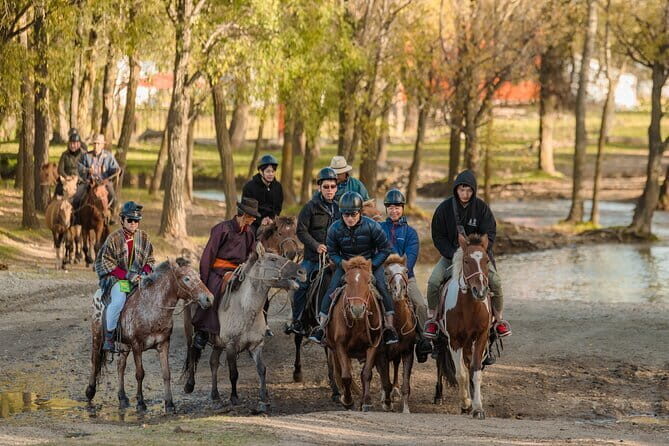
Horse riding is also included. The itinerary doesn’t specify which day, but it’s part of the included activity. It’s a great way to experience the scale of the terrain from a different angle—just treat it like active travel and be prepared for a bit of coordination.
Food is handled for you: breakfasts are listed for all 8 days, and lunch is listed for 8 days. Dinner is listed for 7 days. That’s exactly the type of setup that keeps you from ending up hungry during a hike or arriving at sunset without a plan.
You also receive 1.5 liters of drinking water per person per day. In dry regions, that matters more than people think, especially on dune-walking days.
One thing to budget mentally: tips for the driver and guide are not included, and alcohol drinks are not included either. If you like a small tip, set aside a reasonable amount ahead of time so you’re not scrambling at the end.
Price and Value for $3,100: What You’re Actually Buying
At $3,100 per person for about 8 days, this isn’t a budget trip. But it also isn’t just a sightseeing tour with a nice van.
You’re paying for several big cost drivers that are hard to replicate yourself in the Gobi: the 4WD vehicle and gas, an English-speaking guide/cook, national park entrance fees, ger accommodations for multiple nights, and the “time cost” of long overland driving between remote sites.
You’re also getting real daily support: meals for essentially the full week and a set amount of drinking water each day. For many travelers, that’s the biggest hidden value—less decision fatigue, fewer gaps in logistics, and fewer chances to run into trouble when you’re far from services.
Where you should be picky: compare what’s included versus what you’d end up paying for separately. This tour covers park access and most meals, but it does not include UB accommodation, travel insurance, or personal items. If you prefer full-service comfort in UB before and after, you’ll pay extra for that.
My take: if you want a structured, guided overland circuit that hits major Gobi highlights without you doing the planning math, the price can feel fair. If you’d rather DIY with more flexibility and fewer fixed meals, you might find better deals by comparing other options.
Who Should Book This Gobi Desert Tour (and Who Should Skip It)
This is a strong fit if you want:
- desert big views with a guided explanation
- ger nights rather than only day trips
- included meals and water so you can focus on walking and photos
- a small group experience (max 12)
It’s not the best match if:
- you dislike long days in a vehicle
- you don’t enjoy hiking on sand
- you need lots of comfort features beyond what desert travel typically offers
Also, the tour explicitly calls for a strong physical fitness level. You’ll feel that most on Day 5’s dune climb and hike to the top.
Should You Book This Gobi Desert Mongolia Tour?
If your dream trip is an 8-day circuit across the Gobi with ruined stone, cliff scenery, a protected canyon, and the chance to hike the Khongoryn Els dunes, this tour looks like a well-built package. The biggest reason to book is practical: the essentials—4WD transport, guide/cook, park access, meals, ger nights, and water—are bundled in a way that reduces risk in a remote region.
I’d only hesitate if you’re expecting easy walking, lots of downtime, or modern hotel-style comfort every night. For the right traveler—active, flexible, and excited by desert scale—this can be a memorable way to see the Gobi without turning your vacation into a logistics project.
FAQ
FAQ
How long is the Gobi Desert Mongolia tour?
It’s about 8 days.
Where does the tour start and end?
It starts in Ulaanbaatar at the City Government meeting point (CHD – 1 khoroo) and ends back at the same meeting point.
What time does the tour start?
Start time is 8:00 am.
What’s included in the tour price?
Included are the driver and 4WD vehicle with gas, an English-speaking tour guide/cook, horse riding, national park entrance fee, accommodations as mentioned in the itinerary, 1.5L drinking water per person per day, and meals (breakfast, lunch, dinner as listed).
Are meals included?
Yes. Breakfast is listed for 8 days, lunch for 8 days, and dinner for 7 days.
Is UB accommodation included?
No. Accommodation in Ulaanbaatar is not included.
Do I need to pay national park entrance fees?
No. National park entrance fee is included.
Is travel insurance included?
No, travel insurance is not included.
How physically demanding is it?
The tour requires strong physical fitness. You’ll be hiking/climbing to the top of the biggest sand dunes.
Is there a cancellation option?
Yes, free cancellation is available up to 24 hours in advance for a full refund. If you cancel less than 24 hours before the start time, the amount paid isn’t refunded.