REVIEW · ULAANBAATAR
14 days Combination of Gobi and Central Mongolia
Book on Viator →Operated by Top Tours Mongolia · Bookable on Viator
Two weeks, two worlds of Mongolia. I love the sunset dune views and the chance for camel trekking in the Gobi, and I like how the trip keeps giving you big scenes plus real daily life. The main consideration: expect a lot of driving and several nights camping in tent gear, so this is not a sit-in-a-bus-and-sleep-comfortably type of trip.
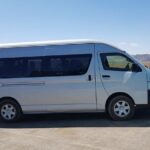
What makes this one feel more personal is the small group size, up to 12 people, plus pickup is offered from Ulaanbaatar and you get a mobile ticket. You’re also not left to guess about basics: sleeping bag, tent, and mattress are included, and meals are built in on most days.
The route strings together Mongolian icons—Gobi dinosaur country tied to Roy Chapman Andrews, monasteries like Ongiin Khiid, Orkhon Valley walks, a hot spring with high alkalinity, and national parks where you can see wild horses. If you’re the sort of traveler who likes history you can touch and nature that changes every hour, this fits.
In This Review
- Key things to know before you go
- Two weeks across the Gobi and Central Mongolia
- Day 1 to Day 3: From Baga Gazariin Chuluu to Tsagaan Suvarga and Three Beauty Mountains
- Camel trekking and dune time at Khongoryn Els
- Bayanzag Flaming Cliffs: dinosaur-country in the middle of nowhere
- Ongi Monastery and Orkhon Valley: ruins, river life, and a sense of daily rhythm
- Tsenkher Hot Spring: mineral waters at 86°C
- Terkhiin Tsagaan Nuur National Park and the Khorgo hike
- Kharakhorum and Erdene Zuu: Mongol Empire history you can walk through
- Hustai National Park and the Takhi wild horses
- Value check: is $2,025 per person worth it?
- Who this tour fits best (and who should choose another trip)
- What can change on you: weather, pace, and comfort realities
- Should you book this 14-day Gobi and Central Mongolia combo?
- FAQ
- How long is the tour?
- What is the price per person?
- Is pickup offered?
- What’s the maximum group size?
- What’s included for sleeping during the trip?
- Are meals included?
- Are admission fees included?
- Is travel insurance included?
- What fitness level do I need?
- What about weather and possible changes?
Key things to know before you go
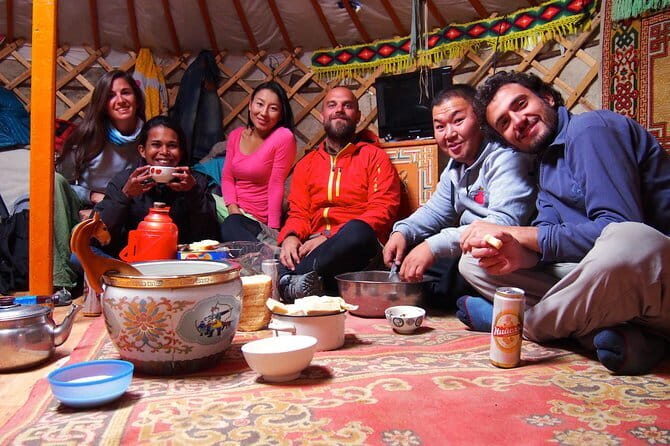
- Small-group pace (max 12) with pickup from Ulaanbaatar
- Real camping setup included: sleeping bag, tent, mattress
- Camel time built in: roughly 2–4 hours a day on camel trek days
- Iconic Gobi sights: White Stupa, Khongoryn Els dunes, Flaming Cliffs (Bayan Zag)
- Central Mongolia variety: monastery ruins, Orkhon Valley, Tsenkher hot spring, Khorgo hike
- Wildlife goal: Khustai National Park’s Takhi wild horses project
Two weeks across the Gobi and Central Mongolia
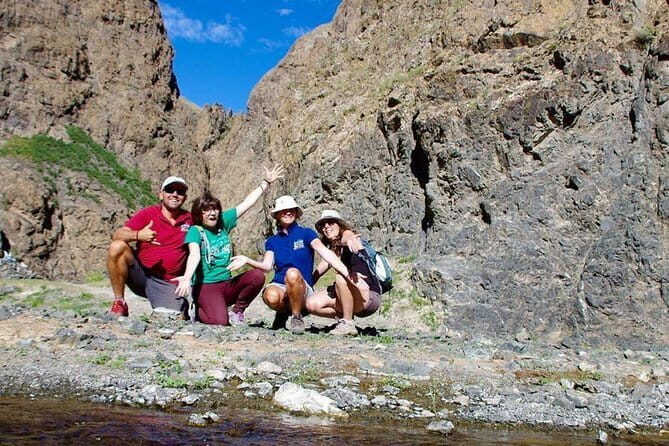
This 14-day combo tour is designed like a long scenic switchback: start in the Gobi with wide-open desert geology, then shift to Central Mongolia’s valleys, monasteries, hot springs, and steppe history. The mix matters because each place teaches you a different Mongolia.
In the Gobi, you’re looking at erosion, wind, and ancient volcanic leftovers. In Central Mongolia, you’re walking through places shaped by Mongol Empire-era power and by nomadic routines that still show up in how people live and farm near water.
And yes, you’ll still do classic highlights: dune climbing at sunset, camel rides across shifting sand, and day hikes. The difference here is that the pacing gives you time to actually look at what’s around you, not just rush to the next photo.
You can also read our reviews of more tours and experiences in Ulaanbaatar.
Day 1 to Day 3: From Baga Gazariin Chuluu to Tsagaan Suvarga and Three Beauty Mountains
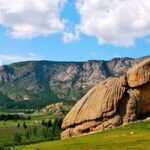
You begin with Baga Gazariin Chuluu (granite stone-mountain) near Delgertsogt soum in Dundgobi. It’s described as a long and wide granite rise, and that shape is exactly what makes it memorable: plain country that suddenly holds a hard, bright wall of rock. If you like geology, this is a good first day because it sets the tone—Mongolia isn’t just scenery; it’s surfaces shaped over time.
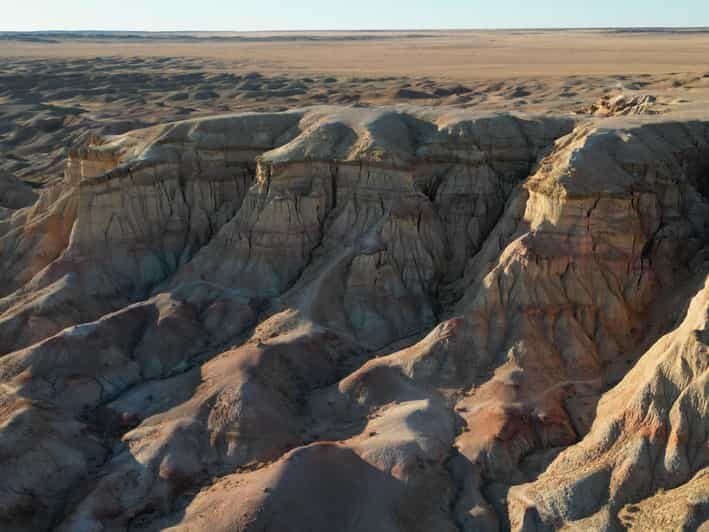
Next comes Tsagaan Suvarga, the White Stupa. Locals link the name to erosion carving the cliff into a dramatic, stupa-like form. This stop is short but special because you’re not just passing through a view—you’re seeing how weather sculpts stone into new silhouettes.
Then you drive toward Gobi Gurvansaikhan National Park and pass through Dalanzadgad, the capital of Umnugobi province. The park is part of the reason this trip works as a “combo”: you’re still in the desert belt, but you’re moving through an area that bridges different kinds of Gobi scenery rather than repeating the same dune view all day.
Practical note: these earlier days are about getting oriented. You’ll spend more time on the road than you might expect from a typical “active tour,” so bring patience. The payoff is that the driving places you well for the big Gobi days that follow.
Camel trekking and dune time at Khongoryn Els
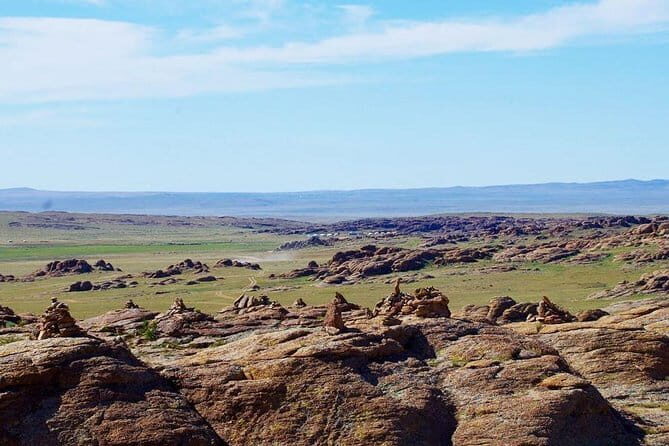
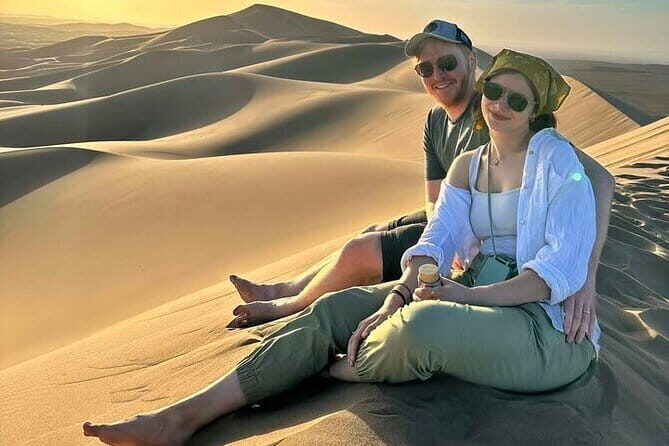
Khongoryn Els is the star for many people, and it’s easy to see why. The shifting dune system is described as an enormous, long stretch with big height and width, surrounded by higher mountains and green vegetation along the edges. That contrast is what makes the dunes feel more alive: sand isn’t just a flat desert; it’s an arena with shadows, ridges, and changing color.
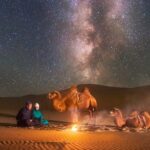
You’ll get time to climb to dune tops around sunset for panoramic views. That’s not just a nice moment—it’s when the whole dune field “reads” best. In warm light, you can see the contours that disappear in midday glare.
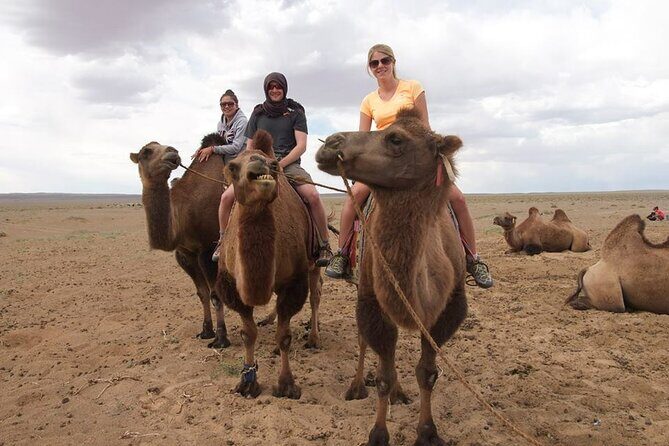
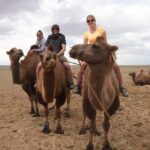
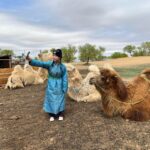
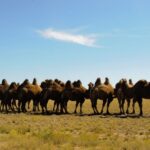
Then you get a day where driving takes a back seat and camel trekking takes over. The camel ride is roughly 2–5 hours depending on how you do it, and you can choose for a longer ride that crosses sand by two-humped camels. Lunch is included on the camel day as well.
What to consider: sand days test your comfort more than your strength. If you dislike bouncing rides or you get annoyed by heat and wind easily, this is where you’ll feel it. If you’re okay with “slow and steady” travel—watching dunes roll past at camel pace—you’ll probably love it.
Bayanzag Flaming Cliffs: dinosaur-country in the middle of nowhere
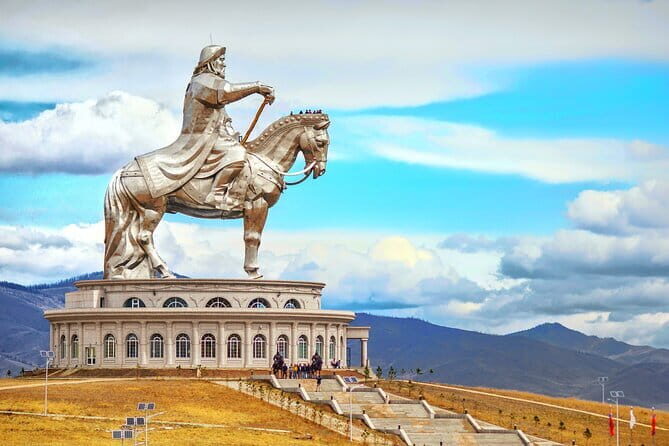
After the dunes, you shift to Bayan Zag, commonly tied to the Flaming Cliffs. This area is famous for the first discovery of dinosaur eggs linked to explorer Roy Chapman Andrews. Even if you don’t go deep into paleontology, you’ll feel the impact of being in a place that still fuels big scientific stories.
The name Bayan Zag—rich in saxaul shrubs—also tells you what to look for beyond the headlines. There’s vegetation in these areas, and that means you’re not just dealing with one texture. Think of it as a desert with patterns: low shrubs, eroded ground, and stone in warm tones.
This stop also keeps your “Gobi theme” consistent. You went from wind-and-erosion dunes to wind-and-erosion cliffs, and now you’re layering in the idea of deep time. That combination is why many people remember the Gobi part more than they expect.
Ongi Monastery and Orkhon Valley: ruins, river life, and a sense of daily rhythm
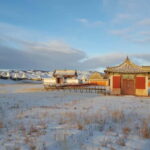
Central Mongolia comes in with a calmer feel and different energy. Day 7 takes you to Ongiin Khiid (Ongi Monastery), once one of the biggest monasteries in Mongolia. It’s described as founded in 1660 and made of two temple complexes on opposite sides of the Ongi Gol river. Even when you’re seeing remains, the scale matters: you can sense how important water and routes were for religious communities.
Then you move toward Orkhon Valley and Orkhon Waterfall. The trip includes stops around the Red waterfall and the Orkhon River, which locals name Orkhon. The waterfall is described as formed by volcanic eruptions combined with the way water flows—another reminder that this region’s stories are written in rock too.
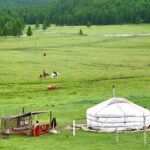
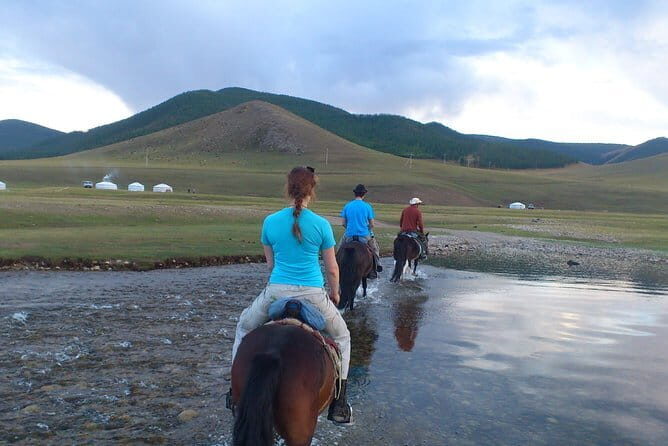
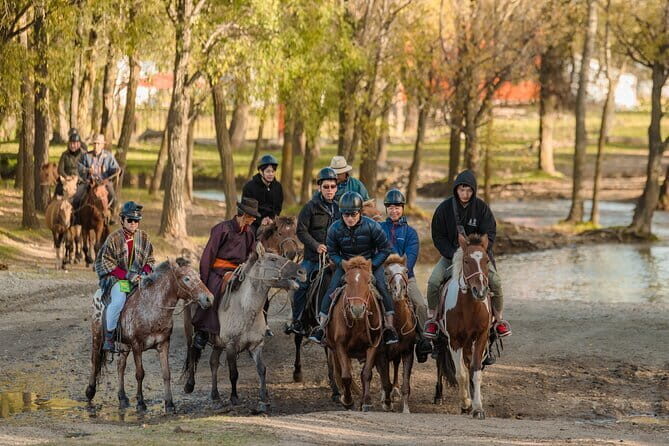
On the next day, you get time without driving to explore Orkhon Valley. The plan includes learning about lifestyle and culture, with options like riding a horse, fishing, and hiking. That blend is valuable because it’s not only about monuments. You get a chance to see how people work with the land in practical ways.
A small caution: these days still involve physical activity even if you aren’t “trekking.” You’ll want decent shoes and a steady pace mindset, especially if you pick horse riding or hiking.
Tsenkher Hot Spring: mineral waters at 86°C
When the itinerary reaches Tsenkher Hot Spring, you get a clear reset: warm water after days that involve sand, wind, and outdoor walking.
Tsenkher is described as one of Mongolia’s biggest hot springs, with a temperature around 86°C and a flow rate listed in the description. It’s also noted for high alkalinity and relatively high fluoride. Even if you don’t think about chemistry while you’re soaking, that detail is a hint that this place is more than a casual puddle.
For you, the real value is recovery. After the Gobi and after Central Mongolia hikes, a hot spring stop can make the rest of the trip feel easier. Just don’t treat it like a spa day with perfect conditions. In remote areas, you should plan for it to be rustic. The point is the setting and the water, not luxury.
Terkhiin Tsagaan Nuur National Park and the Khorgo hike
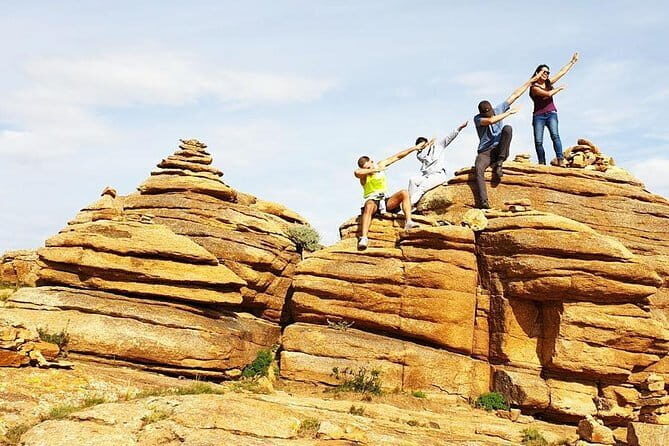
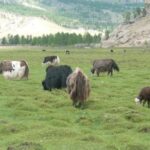
Next you head into Khorgo Terkhiin Tsagaan Nuur National Park. The scenery here is volcanic, which gives it a different look from the Gobi dunes. Extinct volcanic craters and pine-clad lava fields are mentioned, plus grazing yaks on the way and around the area.
The “Great White Lake” (Terkhiin Tsagaan Nuur) is described as an extinct volcano erupted about 8000 years ago. That kind of age is hard to picture until you’re standing among crater rims and black lava textures with white water in view.
You get hiking time to Khorgo after breakfast. The hike length listed is about 4 hours, and it’s part of how the park’s story comes to life: you’re not just viewing from a viewpoint; you’re walking through the terrain itself.
What you should consider: hikes work best when you keep expectations realistic. A 4-hour walk can feel fine or demanding depending on weather and altitude sensations. If you have moderate fitness, you’ll likely manage well, but pace yourself. You’re also switching into a cooler, forested-feeling environment after earlier sand country, so plan layers.
Kharakhorum and Erdene Zuu: Mongol Empire history you can walk through
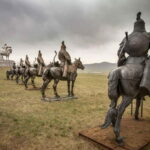
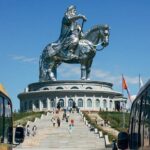
Then the tour leans hard into Mongol Empire history at Kharakhorum, the site of the 13th-century capital. You’ll visit the impressive monastery Erdene Zuu, which is the key name provided, plus a local museum where you can see the Great Mongol Empire.
This is the kind of stop that gives context to everything you’ve seen. In the Gobi you learned about deep time and desert survival. In Central Mongolia you saw monasteries and valleys. Now you get the political center—why these places mattered and how power organized around trade routes and water.
Value for you: it’s not only “wow, ruins.” It helps you connect the dots between landscapes, human settlement, and the Mongol story people still talk about.
Hustai National Park and the Takhi wild horses
The final day points you to Khustai National Park. This is built around the Takhi reintroduction project, which started in 1992. Khustai itself was established in 2003.
This part matters because it’s a wildlife goal with conservation work attached. You’re not just sightseeing; you’re stepping into an environment where the wild horse population was actively managed to return.
Your best move here is to go slow with your eyes. In steppe areas, animals can appear quietly, and they often show up where grass and terrain create cover. The information center is also mentioned, and it’s worth your time because it frames what you’re about to see.
Value check: is $2,025 per person worth it?
At $2,025 per person, this isn’t a budget whim. But it’s also not “paying extra just for the brand.” The price includes a lot of what typically adds up on remote Mongolia trips.
Here’s what you’re getting that supports value:
- Sleeping bag, tent, and mattress included (big-ticket comfort savings)
- All fees and taxes listed as included
- Meals built in: breakfast 13 times, lunch 13 times, dinner 12 times
- Admission tickets included on many of the key sights
- Pickup offered and mobile ticket provided
- Max group size capped at 12, which usually helps the day-to-day feel
Where you might feel the price in your own budget is what’s not included: travel insurance isn’t included, and you’ll want to handle that separately. Also, this is a tour where “time in the field” is part of the cost—driving days count.
If you want a single trip that hits Gobi icons plus Central Mongolia history and parks without stitching together multiple independent tours, then the bundle can feel like a fair deal.
Who this tour fits best (and who should choose another trip)
This works best for you if:
- You’re comfortable with camping in a tent setup and you don’t need hotel-style comforts every night
- You have moderate physical fitness and you’re okay with walking and a 4-hour hike day
- You like variety: dunes and cliffs in the Gobi, then monasteries and valleys in Central Mongolia
- You enjoy animal encounters, including camel trekking and the wild horses goal
You might want to skip or consider a different style if:
- You strongly dislike long driving days
- You hate rougher conditions or you need consistent “soft lodging” comfort
- You’re hoping for guaranteed wildlife sightings regardless of conditions. This kind of trip depends on weather and the natural world.
What can change on you: weather, pace, and comfort realities
This experience requires good weather. That matters because remote desert and valley plans aren’t like city sightseeing. If conditions are poor, you could be offered a different date or a full refund, but either way, weather affects timing.
Also, the itinerary mixes high-focus moments with steady travel days. You’ll have driving days built into it, and then days where the schedule shifts toward hiking or camel riding. If you’re the kind of traveler who panics when there’s no action every hour, this could frustrate you. If you like a rhythm of movement and looking, you’ll settle in fast.
Should you book this 14-day Gobi and Central Mongolia combo?
I’d book it if you want Mongolia in two flavors: Gobi deep-time scenery plus Central Mongolia’s history, hot spring soak, and park-focused nature. The camel trekking days, the dune sunset climbing, and the chance to pair Flaming Cliffs dinosaur lore with Erdene Zuu history make this feel like a full story rather than separate checklists.
I’d hesitate if you need a very comfortable base, lots of downtime, or a trip with minimal physical effort. Camping nights plus camel days mean you’ll work a little for the magic.
If you’re thinking long-term—your goal is a memorable, not-too-formula trip—this one has a clear shape. It’s small-group, it’s active in the right places, and it targets the big Mongolian moments you actually came for.
FAQ
How long is the tour?
It’s listed as 14 days (approx.).
What is the price per person?
The price is $2,025.00 per person.
Is pickup offered?
Yes, pickup is offered.
What’s the maximum group size?
The tour has a maximum of 12 travelers.
What’s included for sleeping during the trip?
Sleeping bag, tent, and mattress are included.
Are meals included?
Yes. Breakfast is included for 13 days, lunch for 13 days, and dinner for 12 days.
Are admission fees included?
The description lists all fees and taxes as included, and many stops show admission tickets included.
Is travel insurance included?
No. Travel insurance is not included.
What fitness level do I need?
The guidance says travelers should have a moderate physical fitness level.
What about weather and possible changes?
This experience requires good weather. If it’s canceled due to poor weather, you’ll be offered a different date or a full refund.