REVIEW · ULAANBAATAR
The Best of Central Mongolia Tour in 5 Days
Book on Viator →Operated by Mungunbagana Sukhochir · Bookable on Viator
Stepping into Mongolia’s rugged middle feels real. I love the hands-on herder-family time around Khugnu Tarna and Khugnu Khaan Natural Reserve, and I love the calm payoff of spotting Takhi (Przewalski wild horses) at Khustai National Park. The possible drawback: this is a road-heavy trip, with a longer day when you head out to the hot springs at Tsenkher Jiguur.
Here’s the feel of the whole 5-day run: you start in the city, then trade pavement for steppe, lake edges, and forested hills. It’s also set up for comfort in the way that matters—pickup is offered, admission tickets are included, and you end back at the same spot you started: Sukhbaatar Square.
The best part for me is the human side. The guide behind the experience is Mungunbagana Sukhochir (often referred to as Bagana), and the reviews you provided keep repeating the same theme: patient, respectful, and tuned to the pace of the group—something that matters a lot on a nature-first itinerary.
In This Review
- Key highlights worth knowing before you go
- Starting at Sukhbaatar Square: how this 9:00am Central Mongolia run works
- Khugnu Tarna and Khugnu Khaan Natural Reserve: steppe life with a herder family
- Kharkhorin’s Kharakhorum Museum: history between big open skies
- Tsenkher Jiguur resort and 86°C hot springs: mineral comfort outside the city
- Ugii camp and Ugii Lake: boat time and birding on the quieter side
- Khustai National Park and Takhi: the wildlife payoff on the return drive
- Price and value: what $1,350 covers for 5 days in Central Mongolia
- Who this tour suits best (and who should think twice)
- Practical tips that make the trip feel easier
- Should you book this Central Mongolia 5-day tour?
- FAQ
- What time and where does the tour start?
- How long is the tour?
- Is pickup included?
- Are admission tickets included?
- Is this a private tour?
- Is free cancellation available?
- Are service animals allowed?
Key highlights worth knowing before you go
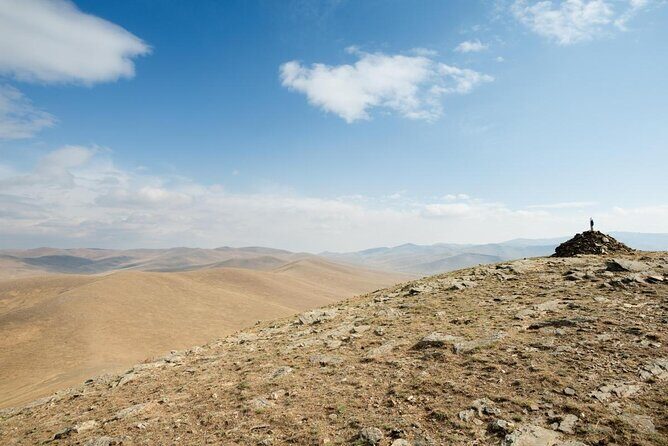
- Khugnu Tarna steppe time with a local nomadic family and activities in the central Mongolian steppe
- Khugnu Khaan Natural Reserve setting that gives the day a real sense of place, not just a photo stop
- Kharakhorum Museum in Kharkhorin to anchor your trip in Mongolia’s past between outdoor days
- Tsenkher hot springs at 86°C for a rare mix of mineral soak and outdoors
- Ugii Lake boat tour and birding so you get a break from driving-heavy hours
- Khustai National Park Takhi sightings on the way back toward Ulaanbaatar
Starting at Sukhbaatar Square: how this 9:00am Central Mongolia run works
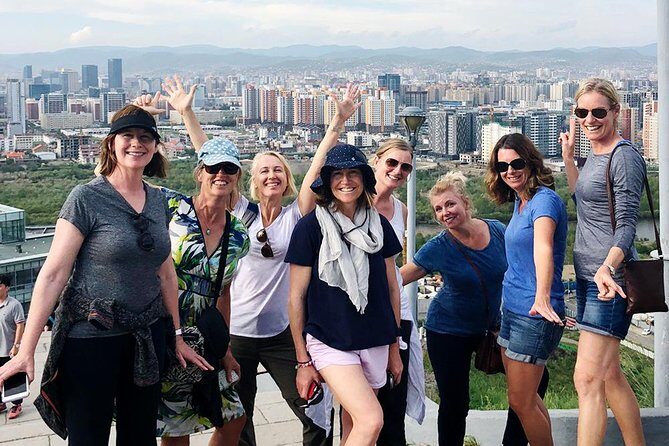
You’ll meet at Sukhbaatar Square in Ulaanbaatar and start at 9:00am. Pickup is offered, and the experience returns to that same meeting point at the end, which makes the last day easier to plan.
Expect full days with real driving time. Day 3 is listed as the longest (about 12 hours), which likely means you’ll spend more time in the vehicle—fine if you’re into scenery and built-in “road snacks” (bring your own if you’re the kind who needs them), but not ideal if you hate being on the move.
This also runs as a private tour/activity, meaning only your group participates. That’s a real quality-of-life upgrade in Mongolia, where shared tours can sometimes feel stretched thin across multiple groups.
A few more Ulaanbaatar tours and experiences worth a look

Khugnu Tarna and Khugnu Khaan Natural Reserve: steppe life with a herder family
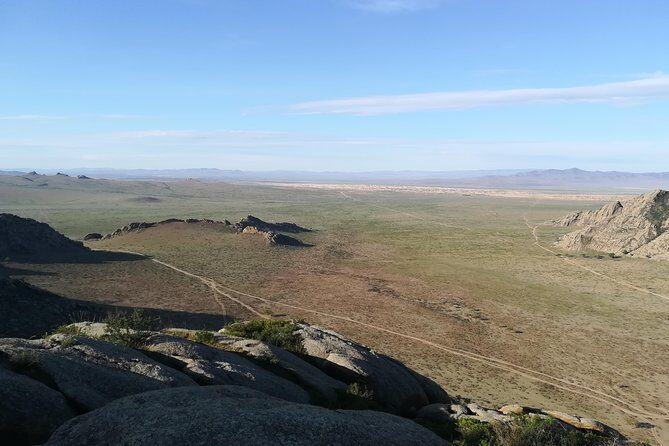
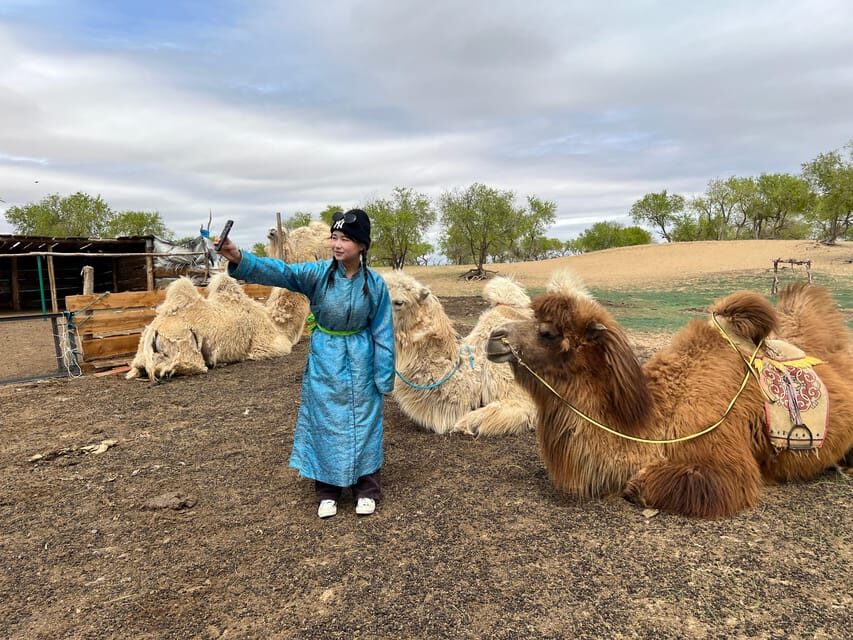
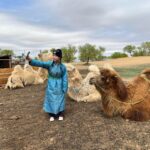
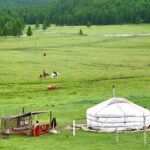
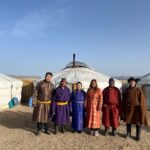
Day 1 is built around Khugnu Tarna and a local nomadic family connected to the Elsen Tasarhai area and the Khugnu Khaan Natural Reserve. This is the kind of stop that helps you understand Mongolia isn’t just scenery—it’s people living close to the rhythms of the land.
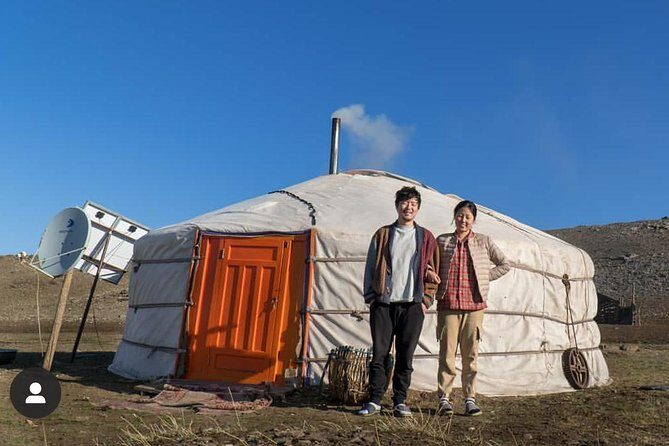
What makes this part valuable is that it’s not framed as a quick look-see. You’re given the possibility of staying with the herder family in the central steppe, plus daily activities you can join. Even if you’re not sure what to do on a nomadic day, the premise is simple: you learn by participating, not by rushing through a checklist.
The tradeoff is that you should go in with the right expectations. If you’re hoping for a highly controlled, hotel-style schedule, you may find the experience more rugged and flexible than that. It’s also a “rural interaction” day, so your comfort level with off-the-grid living and the basic realities of steppe life matters.
Kharkhorin’s Kharakhorum Museum: history between big open skies
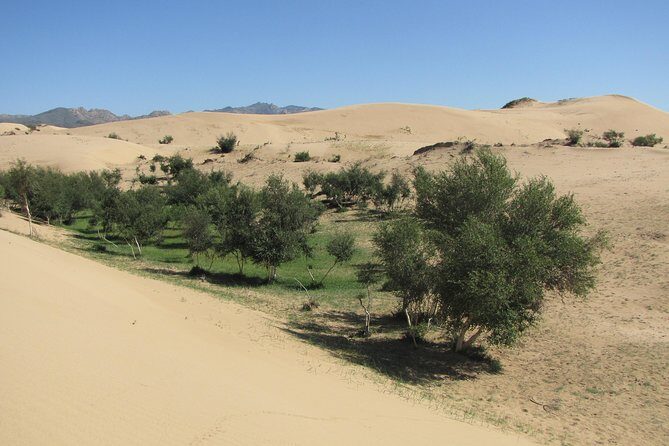
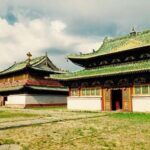
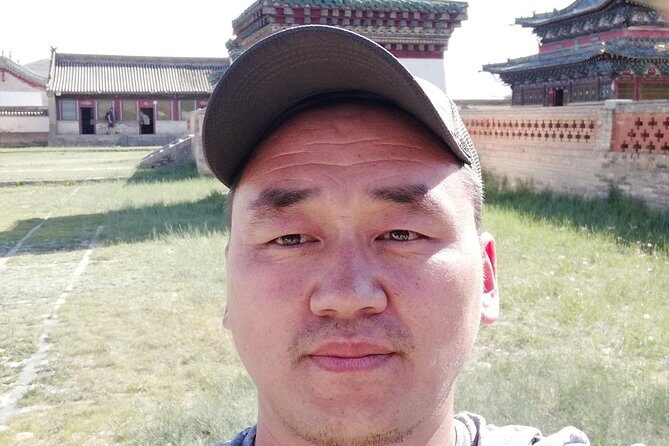
On day 2, you’ll head to the Kharakhorum Museum in Kharkhorin (also spelled Kharkhorin in the description). This stop matters because it gives your trip context, especially if you’re mostly thinking of Mongolia as horses, wilderness, and wide horizons.
Kharkhorin is described as a small town in Uvurkhangai Province, and the museum is the place where that history becomes tangible. The details provided about the town’s size (population figure from 2003) help you picture the scale: you’re not going to a metropolis. Instead, you’re visiting a smaller community where the museum acts like a mental anchor before you swing back to nature.
A practical note: day 2 is also listed as about 8 hours, so even though this is “cultural” time, it’s not a lazy, slow afternoon. You’ll still likely move from place to place and keep your energy for the bigger scenic days.
Tsenkher Jiguur resort and 86°C hot springs: mineral comfort outside the city
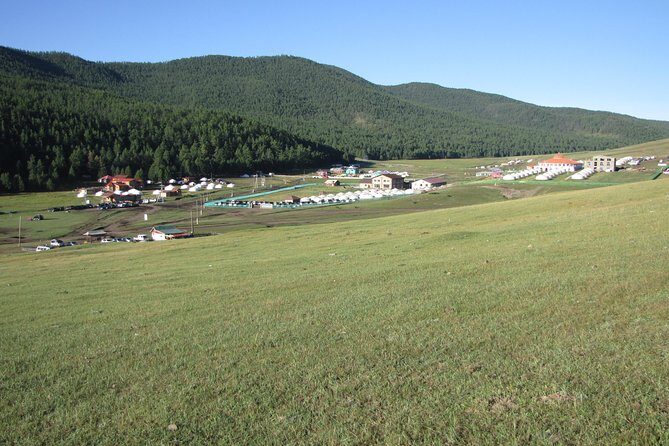
Day 3 is a day you’ll feel in your bones—in a good way. After breakfast, you drive to Tsenkher hot springs at Tsenkher Jiguur Resort, described as one of Mongolia’s most beautiful hot springs. The standout detail is the temperature: it reaches 86 degrees and is enriched by minerals with an optimum pH.
This is a smart midpoint in the overall trip. After days of steppe and cultural grounding, a hot spring stop gives you a reset. The setting is also described as forested, which matters because it changes the visual experience: you’re not just soaking while staring at plain sky.
The possible downside is time. Day 3 is listed at about 12 hours, so you’ll likely spend a larger block of the day traveling to get there. If you tend to get restless in vehicles, build in patience now and treat the soak as the “reward moment” you’re working toward.
Ugii camp and Ugii Lake: boat time and birding on the quieter side
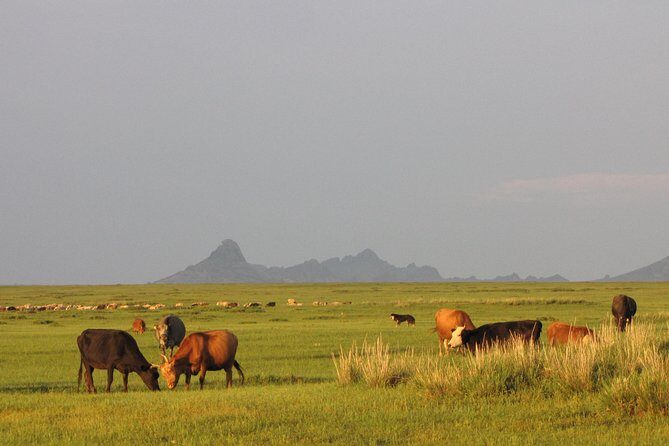
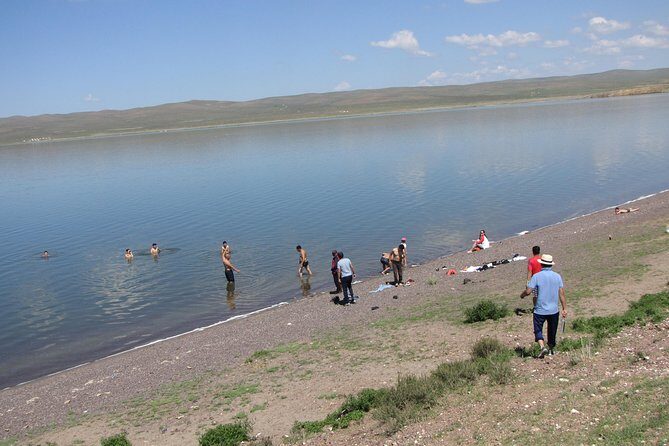
Day 4 shifts the pace with Ugii Lake near Ugii camp. The lake is listed at an altitude of 1,387 m with a surface area of 25 sq. km, and that’s helpful because it signals you’re heading to an actual lake environment, not just a roadside pond.
When you visit, you have an opportunity for a boat tour and birding. This is one of the best parts of a nature-focused itinerary because it slows down your attention. You stop watching the world move past through a window and start looking at what’s happening on the water and along the edges.
On the way, you’ll also see Khusuu Tsaidam. The description doesn’t spell out what it looks like beyond name reference, so think of it as an “on-route point of interest” that breaks up the drive.
Day 4 is listed at about 8 hours, so it’s not a short outing. Still, it’s likely less exhausting than purely driving blocks because the lake activity gives you a different kind of rhythm—sit, scan, listen, react.


Khustai National Park and Takhi: the wildlife payoff on the return drive
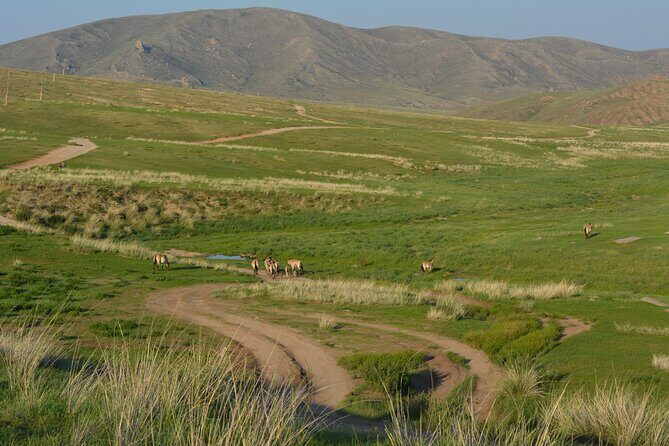
On day 5, you’ll stopover at Khustai National Park before heading back toward Ulaanbaatar. This is the wildlife moment many people picture when they think of Mongolia, and it’s anchored by a very specific animal: Przewalski wild horses, known in Mongolian as Takhi.
The tour description highlights Takhi as the last and only breed of wild horse, which makes Khustai more than just a zoo-like viewing setup. You’re seeing part of a conservation story—one that’s rare on a short trip across multiple regions.
Day 5 is listed at about 4 hours, so don’t expect a full-day wildlife safari. Think of it as a focused wildlife encounter that fits neatly into your return. If you love animals, this timing can actually work in your favor: you get the highlight without draining the last day.
Price and value: what $1,350 covers for 5 days in Central Mongolia
The price is $1,350 per person for about 5 days. That sounds steep until you translate it into what’s included and what it likely covers on the ground.
First, admission tickets are included at the stops listed (Khugnu Tarna activity, Kharakhorum Museum, Tsenkher hot springs, Ugii Lake, and Khustai National Park). Second, the experience includes logistics that are usually where independent trips get expensive in Mongolia: a set route, transportation between regions, and a guide who can manage language and on-site pacing.
Third, it’s a private tour/activity with only your group. If you’ve ever tried to share a tour while everyone moves at different speeds, you know how quickly that gets annoying. Private group dynamics often matter more than people expect.
Booking is listed as on average 36 days in advance, which is a hint that your best dates may go early. If you have a narrow travel window, earlier planning is the best way to protect your schedule and reduce the risk of last-minute adjustments.
Who this tour suits best (and who should think twice)
This tour fits you well if you want a nature-and-culture mix without switching companies every day. It’s also ideal if you appreciate a guide who doesn’t rush your time outdoors, and if you like learning through real interactions—especially the herder-family day option.
It’s a strong pick for first-time visitors to Mongolia because it covers several Central Mongolia themes: steppe life, a cultural anchor in Kharkhorin, hot springs, lake birding time, and Takhi wildlife conservation.
You may want to think twice if you hate long driving days. Day 3 is long, and this overall trip is built around getting from one region to the next. It’s also best for people who can handle a more rugged feel on parts of the itinerary, particularly around steppe settings.
Practical tips that make the trip feel easier
A few things can help you enjoy this more, especially if you’re coming from Ulaanbaatar expecting everything to be polished and predictable.
- Plan for temperature swings and dress in layers. Steppe and forest settings can feel very different from city mornings.
- Bring water and small snacks you like, since long days mean you can’t always count on the schedule feeling perfectly timed for your hunger.
- Have a flexible mindset for the herder-family interaction day. Even if you’re not sure what you’ll be doing, a respectful, observant attitude goes a long way.
- If birding matters to you, keep your eyes open on the lake portion and slow down. Boat time and scanning take a different kind of attention than driving photos.
- Use the included mobile ticket and keep your phone charged. It’s a simple thing, but in rural settings, that battery can become your “map.”
Should you book this Central Mongolia 5-day tour?
I think you should book this tour if you want a road trip that still feels personal, with real Central Mongolia moments: a herder-family steppe day at Khugnu Tarna, a museum stop that keeps your understanding grounded, mineral hot springs at Tsenkher, lake birding at Ugii, and Takhi at Khustai.
You might skip it if you want a purely comfortable, low-driving plan or if you don’t enjoy long transit days—because the route is built around travel between regions, and day 3 is the clearest example.
FAQ
What time and where does the tour start?
The tour starts at 9:00am at Sukhbaatar Square in Ulaanbaatar.
How long is the tour?
The duration is listed as 5 days (approx.), with daily blocks ranging from about 4 to 12 hours.
Is pickup included?
Pickup is listed as offered, and the tour ends back at the meeting point.
Are admission tickets included?
Yes. Admission tickets are included for the stops listed (Khugnu Tarna activity, Kharakhorum Museum, Tsenkher hot springs, Ugii Lake, and Khustai National Park).
Is this a private tour?
Yes. It’s described as private, meaning only your group will participate.
Is free cancellation available?
Yes. You can cancel for a full refund up to 24 hours in advance of the experience’s start time.
Are service animals allowed?
Yes. Service animals are allowed for this experience.