REVIEW · ULAANBAATAR
Ulaanbaatar Signature Tour – Mongolia’s Capital in One Day
Book on GetYourGuide →Operated by Rara Avis · Bookable on GetYourGuide
Ulaanbaatar hits fast, and you’ll feel it. I love the start at Gandantegchinlen Monastery, where you can see the gold-covered 26.5-meter Janraisig (Maitreya) Buddha and watch real prayer-wheel moments. I also love how the day mixes major history sites with everyday Mongolia at Narantuul Market, so you get both the story and the shopping.
One thing to consider: it’s a 6–12 hour schedule with moderate walking and steps, so a couple stops can feel more like a structured visit than a long, guided walk-through. At the museum, you may mainly receive tickets and then have your own time to explore.
Key highlights you should know
- Gandantegchinlen Monastery: the 26.5-meter Janraisig (Maitreya) Buddha and active Buddhist routines
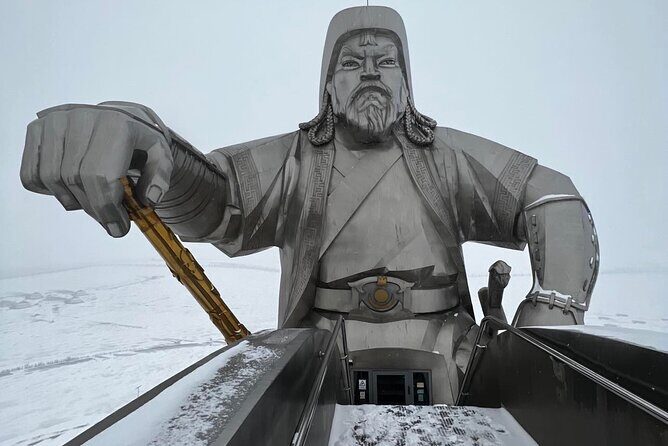
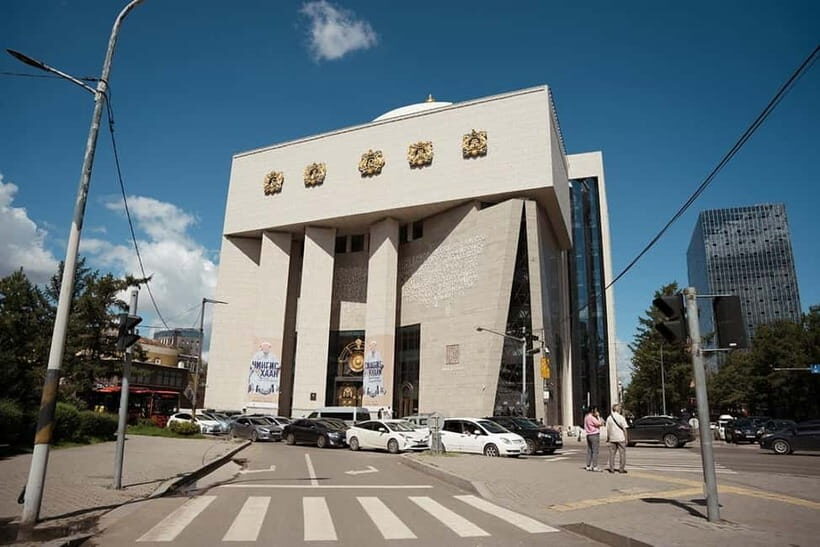
- Chinggis Khan Museum: modern, organized storytelling with artifacts, armor, and empire maps
- Bogd Khan Palace Museum: the winter residence of Mongolia’s last king, Bogd Khan
- Zaisan Hill Memorial: a climb that rewards you with city-wide views toward the Tuul River and distant mountains
- Narantuul Market: Ulaanbaatar’s huge open-air market, nicknamed the Black Market, for traditional items and practical souvenirs
- Small group + air-conditioned vehicle: maximum 15 people (or private) plus bottled water to keep the day comfortable
In This Review
- Gandantegchinlen Monastery: gold Buddha and real prayer-wheel life
- Chinggis Khan Museum: modern storytelling with artifacts and maps
- Bogd Khan Palace Museum: seeing Mongolia’s last king’s world
- Zaisan Hill Memorial: the view that makes Ulaanbaatar real
- Narantuul Market: the Black Market for everyday shopping
- Price and value for a one-day Ulaanbaatar highlights tour
- Comfort, pacing, and what to bring for an action-packed day
- Who should book this Ulaanbaatar Signature Tour?
- Should you book the Ulaanbaatar Highlights Tour?
- FAQ
- How long is the Ulaanbaatar highlights tour?
- Where do you pick up during the tour?
- What language is the tour conducted in?
- How big is the group?
- What are the main stops on the itinerary?
- Is admission to Chinggis Khan Museum included?
- Are meals included in the price?
- Is transportation included?
- What should I bring for this tour?
- What is the cancellation policy?
Gandantegchinlen Monastery: gold Buddha and real prayer-wheel life
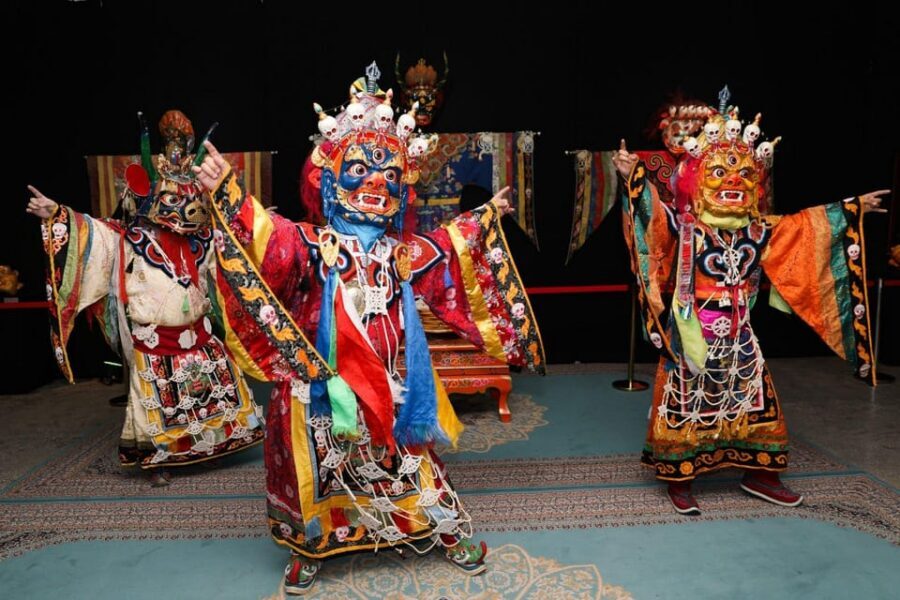
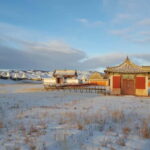
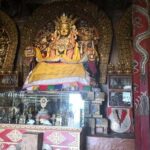
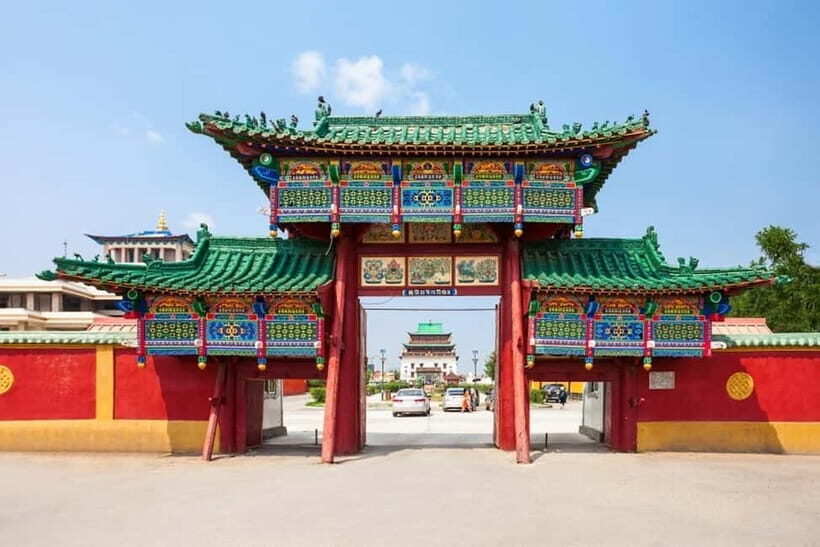
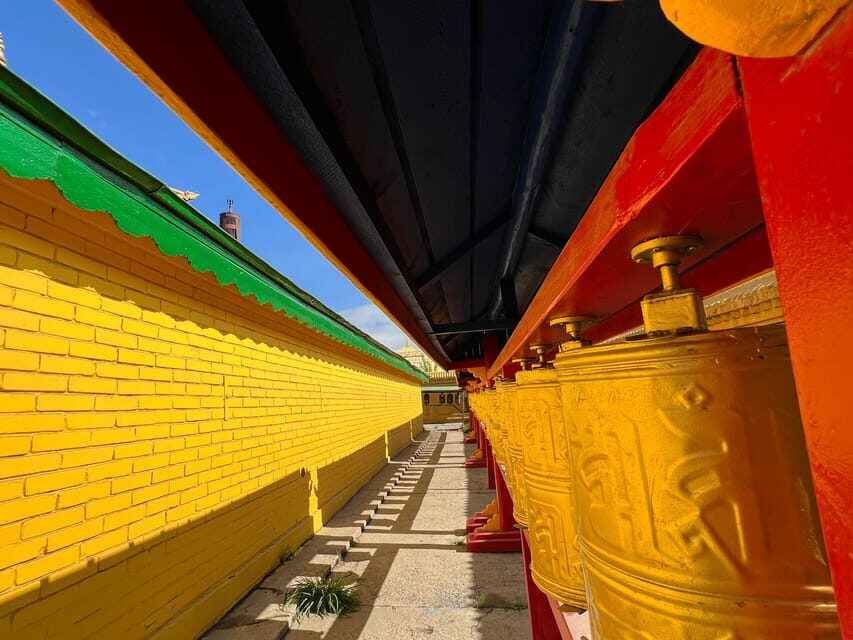
The day starts in the most meaningful way possible: at Gandantegchinlen Monastery, Mongolia’s most important Buddhist monastery. The big draw is the Janraisig (Maitreya) Buddha, standing about 26.5 meters tall and covered in gold and precious stones. Even if you’re not a “temple person,” the sheer scale makes it hard to ignore.
What I like here for your first day in Ulaanbaatar is the sense that this place is still working. The monastery is active, so you may hear monks chanting prayers. You can also spot locals spinning prayer wheels for good luck. That gives the visit more weight than a photo stop. You’re not just looking at religion as museum content; you’re seeing how faith plays out in daily routines.
Dress and behavior matter here. You’ll be walking around on site, so wear comfortable shoes, and keep your plans flexible if you arrive during active prayer moments. This isn’t about speed. It’s about calm, observing, and getting your head around Mongolia’s Buddhist traditions before you move into history museums.
Chinggis Khan Museum: modern storytelling with artifacts and maps
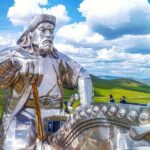
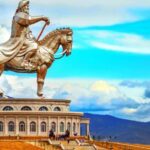
Next up is the Chinggis Khan Museum—a more modern, information-forward stop. If you want context without hunting for it yourself, this is the smart move. The museum focuses on Chinggis Khan (Genghis Khan) and the Mongol Empire, using historical artifacts, ancient armor, and maps to show how the empire expanded.
Here’s what’s genuinely useful for you: the museum isn’t just a name-and-dates display. It’s built to help you visualize the scope of Mongol power—where they went, how far they stretched, and what they left behind. Even a short visit can give you a clearer mental map of Mongolian history than reading alone.
One practical consideration: based on how the tour may run on the ground, you might receive admission tickets and time to explore rather than a long, site-by-site narration. That’s not automatically bad. But it does change how you should approach it. If you want deeper explanations, ask your guide early for what to prioritize—like the most important armor pieces or the maps that show the most dramatic expansion. That one question can turn the museum from “watch me” into “I get it.”
Plan on taking your time in the museum area because it’s one of the best places on this tour to slow down. Your legs are getting to the point where you’ll appreciate sitting, reading, and standing back up without feeling like the day is sprinting.
A few more Ulaanbaatar tours and experiences worth a look
Bogd Khan Palace Museum: seeing Mongolia’s last king’s world
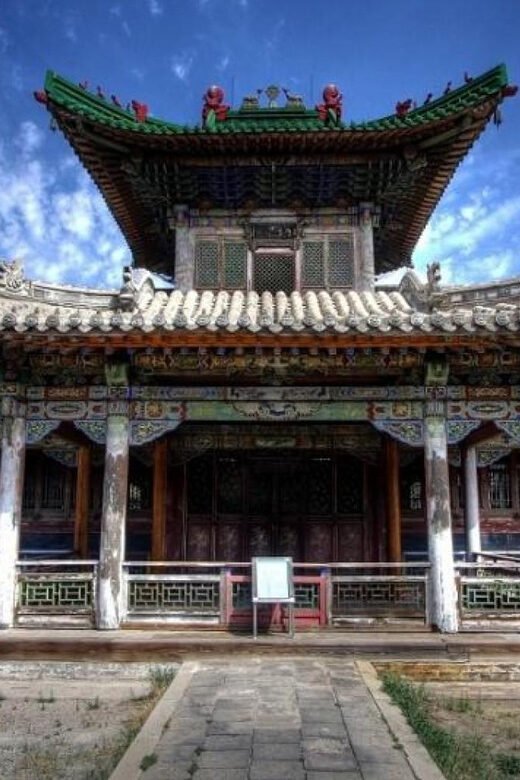
After the empire story, you shift into something more personal at the Bogd Khan Palace Museum. This palace was the former winter residence of Mongolia’s last king, Bogd Khan, and it feels different from the big, conquest-scale history you just learned.
You’ll see royal artifacts and displays tied to the king’s life—royal clothing and gifts from foreign leaders. Walking through a residence like this gives you a human-scale view of power and court culture. Instead of asking only what the Mongols did on a map, you start thinking about how leadership looked at home: what people wore, what objects mattered, and what diplomatic relationships looked like in a palace setting.
For you, this stop is the balance point of the day. It’s history you can see up close. It also tends to be a better fit if you like museums that feel like lived spaces rather than pure exhibits.
The practical drawback? Palaces often mean indoor wandering with plenty of rooms and displays. If you’re not in the mood for reading lots of small text, consider taking photos of the key items you find most interesting and rely on your guide to fill in the gaps. This is a great place to ask about why Bogd Khan mattered and how his time connects to the larger Mongolian story you just saw at the Chinggis Khan Museum.
Zaisan Hill Memorial: the view that makes Ulaanbaatar real
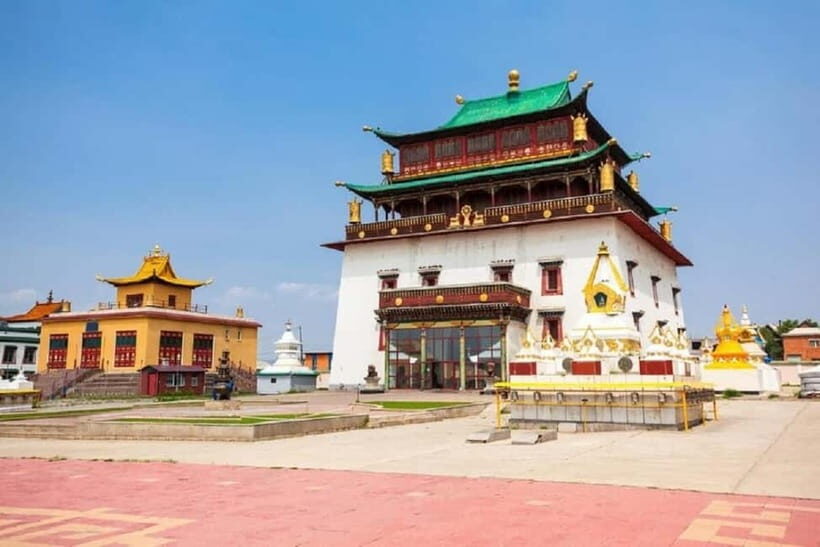
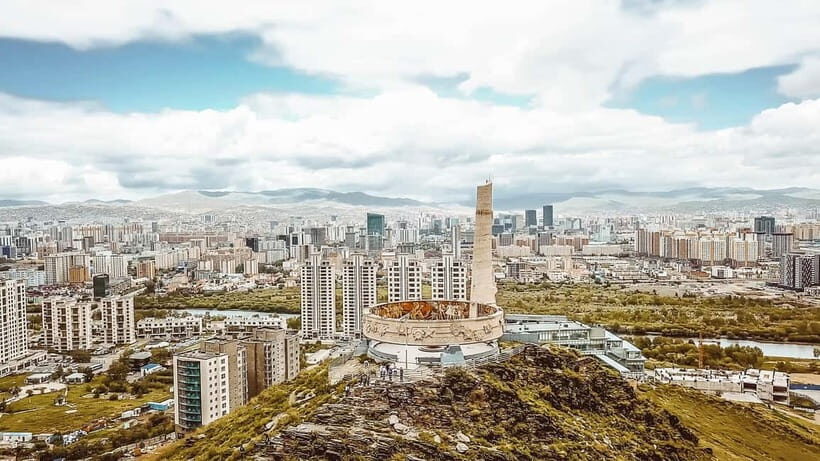
Then you drive to Zaisan Hill Memorial, a monument honoring Mongolian and Soviet soldiers. The climb to the top is the deal here. You’ll work a bit—enough to feel it—so wear shoes that grip and that you can walk in for steps.
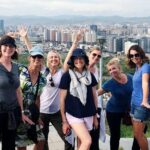
Is it worth the effort? Yes, because the view is the reason this stop belongs in a highlights day. From up there, you get a panoramic look at Ulaanbaatar. You can see the whole city, the Tuul River, and mountains in the distance. That single view helps you connect the dots between all the museum facts and the real city you’re standing in.
If you’re into photography, this is where you’ll likely feel happiest with your camera setup. If the weather is clear, light on the city can be strong, so use sunglasses and consider taking a few shots from different angles so you can compare how the river and mountain line up across the horizon.
One more practical note: because the tour includes moderate walking and climbing steps, Zaisan Hill is likely where you’ll use your energy budget. If you pace yourself on the earlier stops, this part feels like a rewarding payoff, not a punishment.
Narantuul Market: the Black Market for everyday shopping
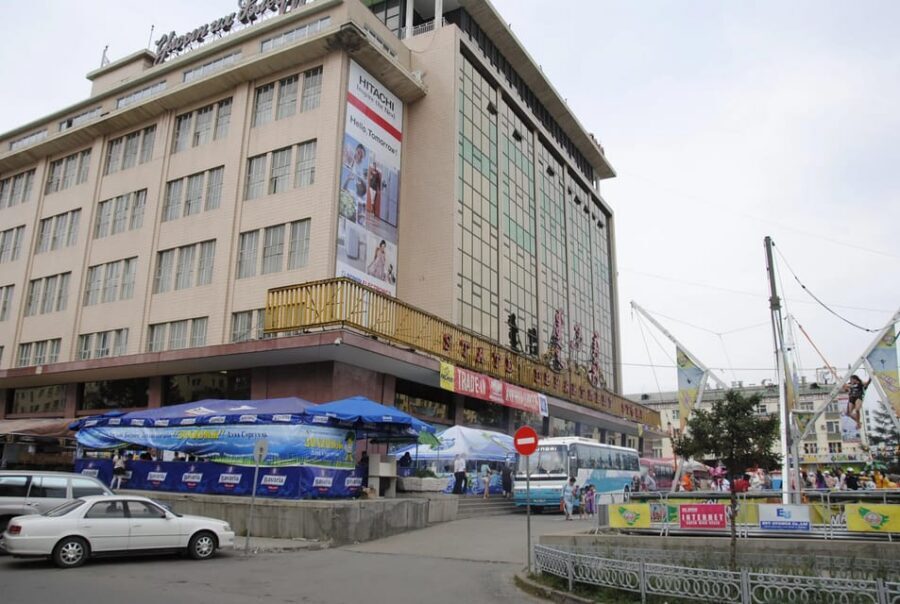
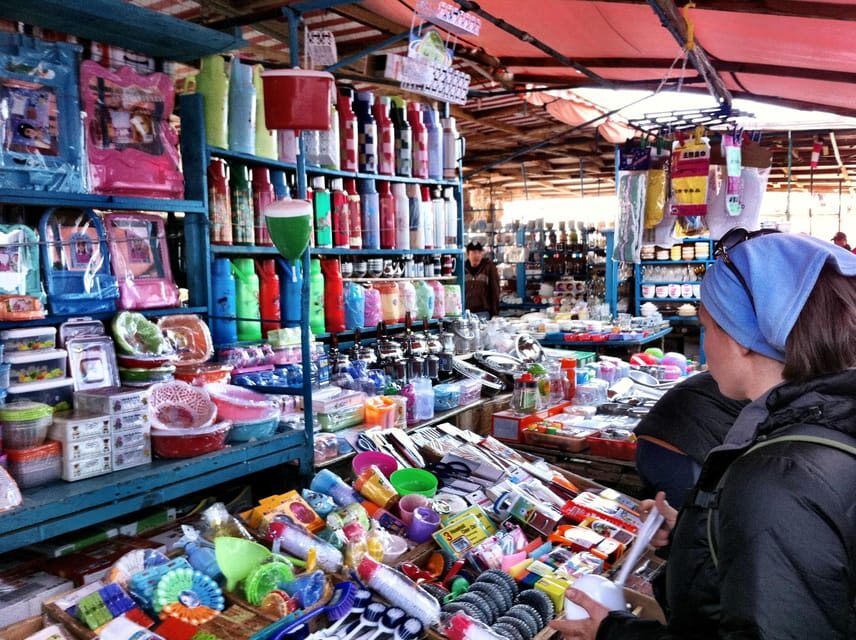
To end, you go to Narantuul Market, also known as the Black Market. It’s Ulaanbaatar’s largest open-air market, and it’s a great way to shift from monuments and museums to real city life.
This is where you see what people buy and use. You’ll likely come across traditional clothing, handmade crafts, horse-riding gear, and everyday items. Even if you don’t plan to shop, walking through helps you understand the rhythm of local commerce. It’s a window into what’s valued and what’s practical.
I like Narantuul because it gives you souvenirs that feel less like generic “tourist land” items. You can find pieces that look like they belong to Mongolian daily life—things with style, function, and local craft.
A heads-up: markets can be time-sensitive. If your goal is specific shopping, bring a focused plan (one or two categories you want to browse) and don’t rely on the visit being long enough to compare every stall. If you want a stronger shopping experience, ask your guide for tips on what’s common, what’s overpriced, and where the best selection tends to show up.
If you add the optional cultural show with traditional music and dance (when offered), you’ll likely appreciate the change of pace after the market energy. It’s a good way to end the day with performance instead of more walking.
Price and value for a one-day Ulaanbaatar highlights tour
At $200 per person, this tour isn’t the cheapest way to see Ulaanbaatar. But it can be good value if you compare it to the real costs of managing the day yourself—especially a city like Ulaanbaatar where you’ll want reliable transport and a guide to connect the dots.
Here’s what you’re paying for, in plain terms:
- A professional guide who can explain what you’re seeing (and help you prioritize)
- Pickup from an agreed meeting point and private transportation in modern, air-conditioned vehicles
- Bottled water (small detail, big comfort in long city days)
- Entry included for Chinggis Khaan National Museum
- The practical structure of hitting multiple major stops in roughly 6–12 hours
When tours like this work well, they save you decision fatigue. You don’t have to figure out routing, timing, and what’s worth your attention. That’s especially valuable if it’s your first time in Mongolia or you only have one day in the capital.
Meals aren’t included, so you’ll want to budget for lunch or snacks on your own. If you’re the type who needs food at set times, plan ahead so you don’t end up skipping because you’re squeezed by the schedule.
Also, this tour is designed for small groups—maximum 15 people or private. That usually means you get more guide attention than you would on a huge bus day. And the vehicle comfort matters. You’re not just getting transport; you’re avoiding a lot of friction.

Comfort, pacing, and what to bring for an action-packed day
This is a practical city tour with real walking. Expect moderate walking and some climbing steps, especially at Zaisan Hill. That means your footwear matters more than your outfit.
Bring:
- Comfortable shoes
- Sunglasses
- Camera
- Sunscreen
- Weather-appropriate clothing
- A charged smartphone
You’ll also be in English, so if you want the most out of the day, start asking simple questions early: what each site is meant to teach you, which objects matter most, and what locals typically associate with the place.
The logistics support the comfort side too: pickup at the meeting point, modern air-conditioned vehicles, and bottled water. That’s not glamorous, but it keeps the day from feeling exhausting.
One more thing: if you’re thinking about the optional cultural show with traditional music and dance, keep your energy up for it. If you’ve spent the whole day climbing and walking, you’ll enjoy the show more if you pace your earlier stops and don’t treat the market as a sprint.
Who should book this Ulaanbaatar Signature Tour?
This one-day Ulaanbaatar Highlights Tour is a great fit if:
- You’re visiting Mongolia for the first time and want quick orientation across major themes: Buddhism, Mongol history, palace life, a memorial view, and everyday markets.
- You have limited time and want a clear plan for seeing key sights without building an itinerary from scratch.
- You prefer a small group (up to 15) so you can actually hear your guide.
- You value a mix of big names (Chinggis Khan) plus “what do people do today?” (Narantuul Market).
It might feel less perfect if you’re looking for a slow, deep, guided walkthrough of every exhibit. The schedule is tight. You’ll get a lot, but not every stop will be long and lecture-style. If your ideal museum day is hours of guided discussion, you might want a more specialized tour later—or plan to ask your guide for what to focus on at each site.
Should you book the Ulaanbaatar Highlights Tour?
If you only have one day in Ulaanbaatar, I’d seriously consider booking this. It does the hard work for you: transport, a guide, organized stops, and the right balance between monuments and daily life. You get the big spiritual moment at Gandantegchinlen Monastery, the historical context at the Chinggis Khan Museum, the palace perspective at Bogd Khan Palace, the panoramic payoff at Zaisan Hill, and the hands-on shopping atmosphere at Narantuul Market.
I’d book it if you’re excited to get bearings fast—and you’re happy to let the guide set the pace. I’d think twice if you want long, detailed time inside every museum room. In that case, you might need to supplement with extra sightseeing on your own afterward.
FAQ
How long is the Ulaanbaatar highlights tour?
The tour lasts approximately 6 to 12 hours.
Where do you pick up during the tour?
Pickup is included from a meeting point at an agreed-upon time, and you return to the meeting point afterward.
What language is the tour conducted in?
The tour is conducted in English.
How big is the group?
Group size is limited to a maximum of 15 travelers, or you can book it as a private tour.
What are the main stops on the itinerary?
The tour covers Gandantegchinlen Monastery, Chinggis Khan Museum, Bogd Khan Palace Museum, Zaisan Hill Memorial, and Narantuul Market. There is also an optional cultural show.
Is admission to Chinggis Khan Museum included?
Yes. Admission ticket to Chinggis Khaan National Museum is included.
Are meals included in the price?
No. Meals are not included, though you can eat at local restaurants.
Is transportation included?
Yes. You get private transportation in modern, air-conditioned vehicles.
What should I bring for this tour?
Bring comfortable shoes, sunglasses, a camera, sunscreen, weather-appropriate clothing, and a charged smartphone.
What is the cancellation policy?
The information provided lists free cancellation up to 4 hours before the tour start time, and it also notes full refunds if you cancel up to 24 hours in advance. Check your booking confirmation for the exact terms that apply to your reservation.